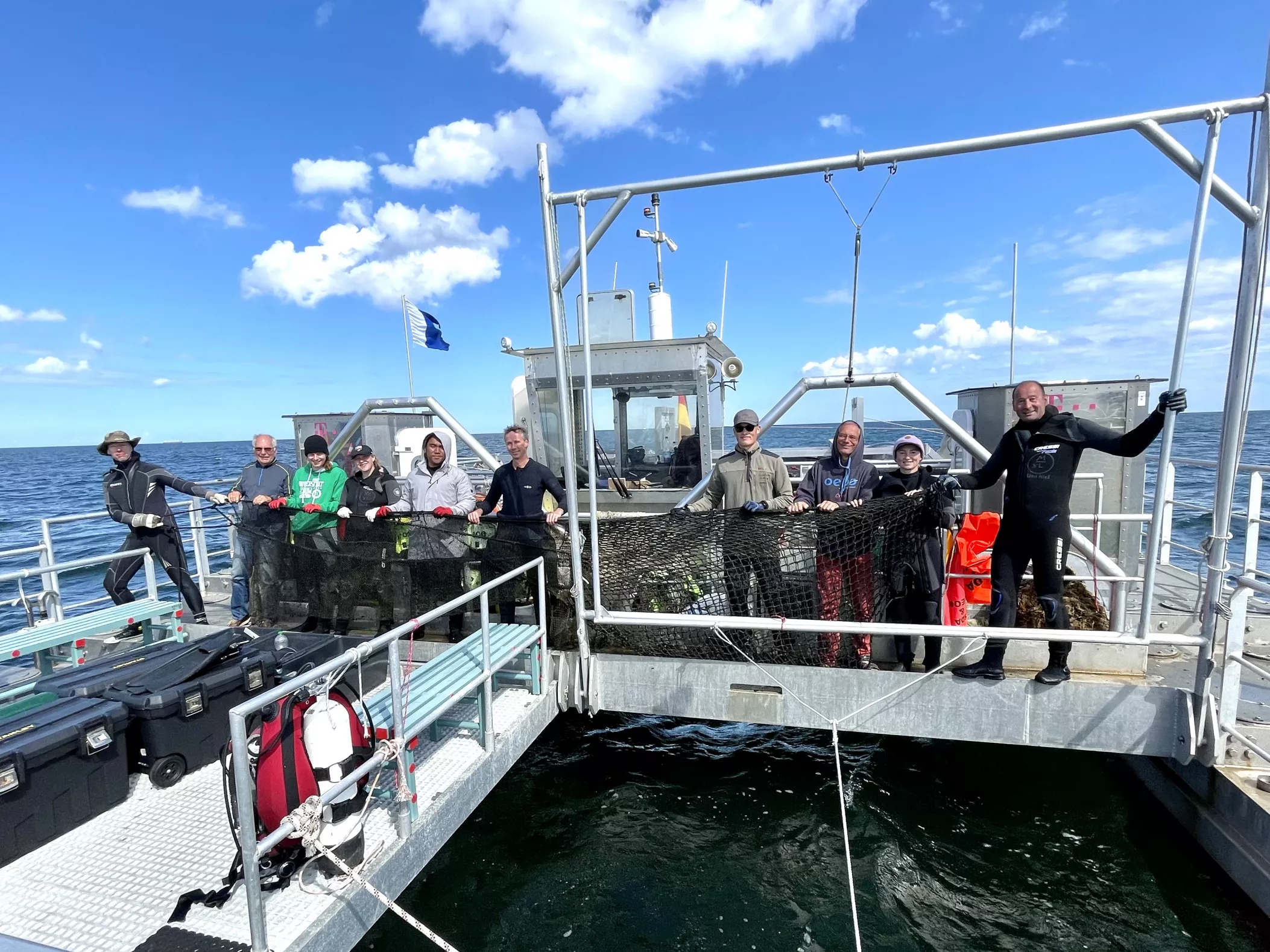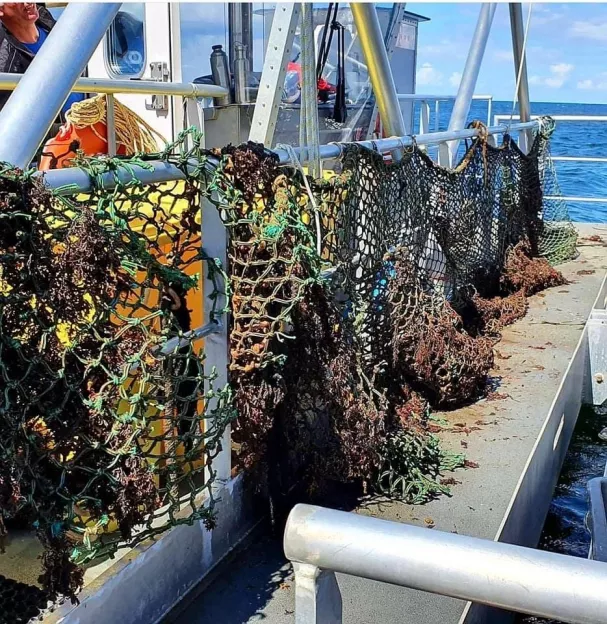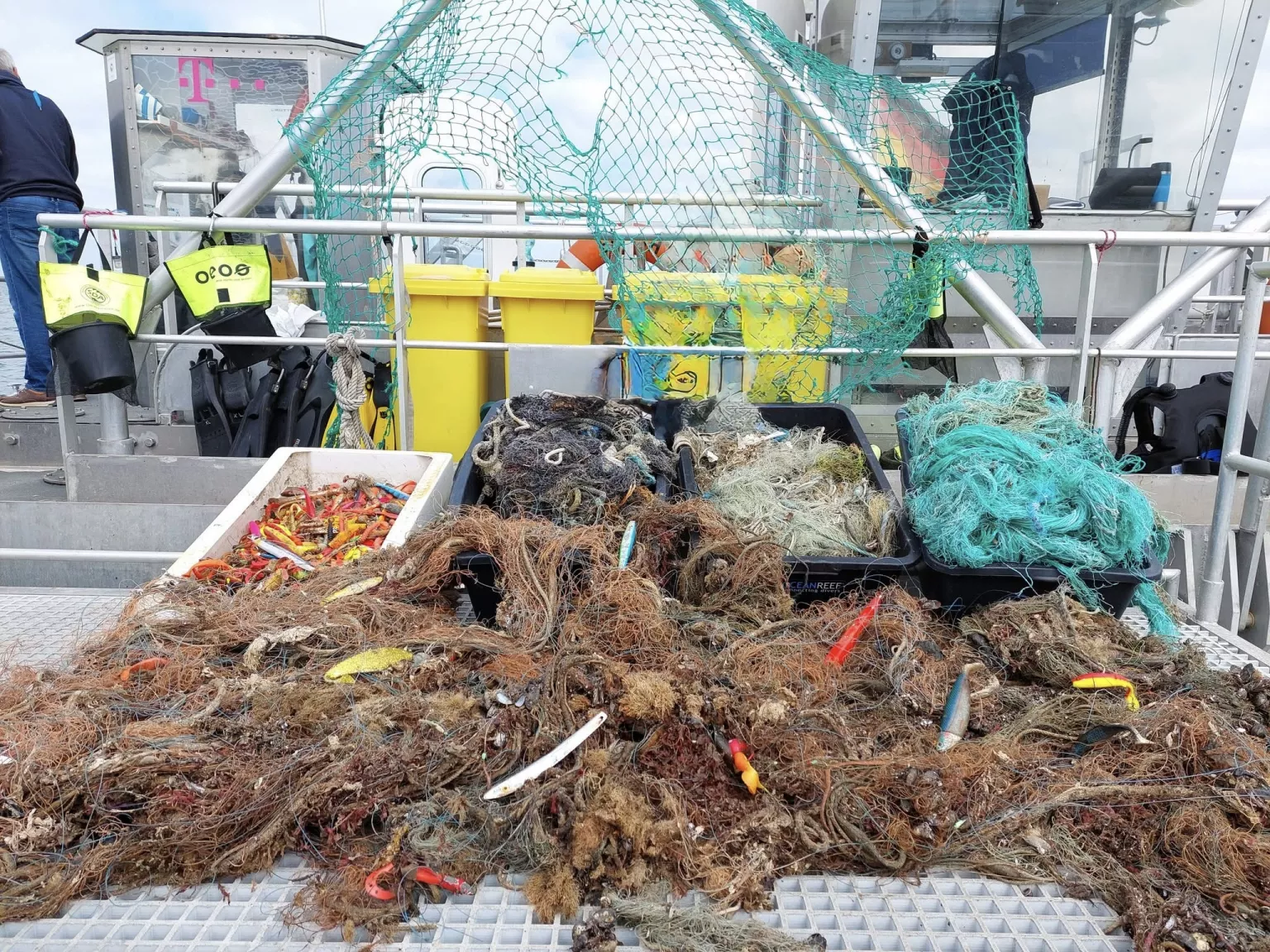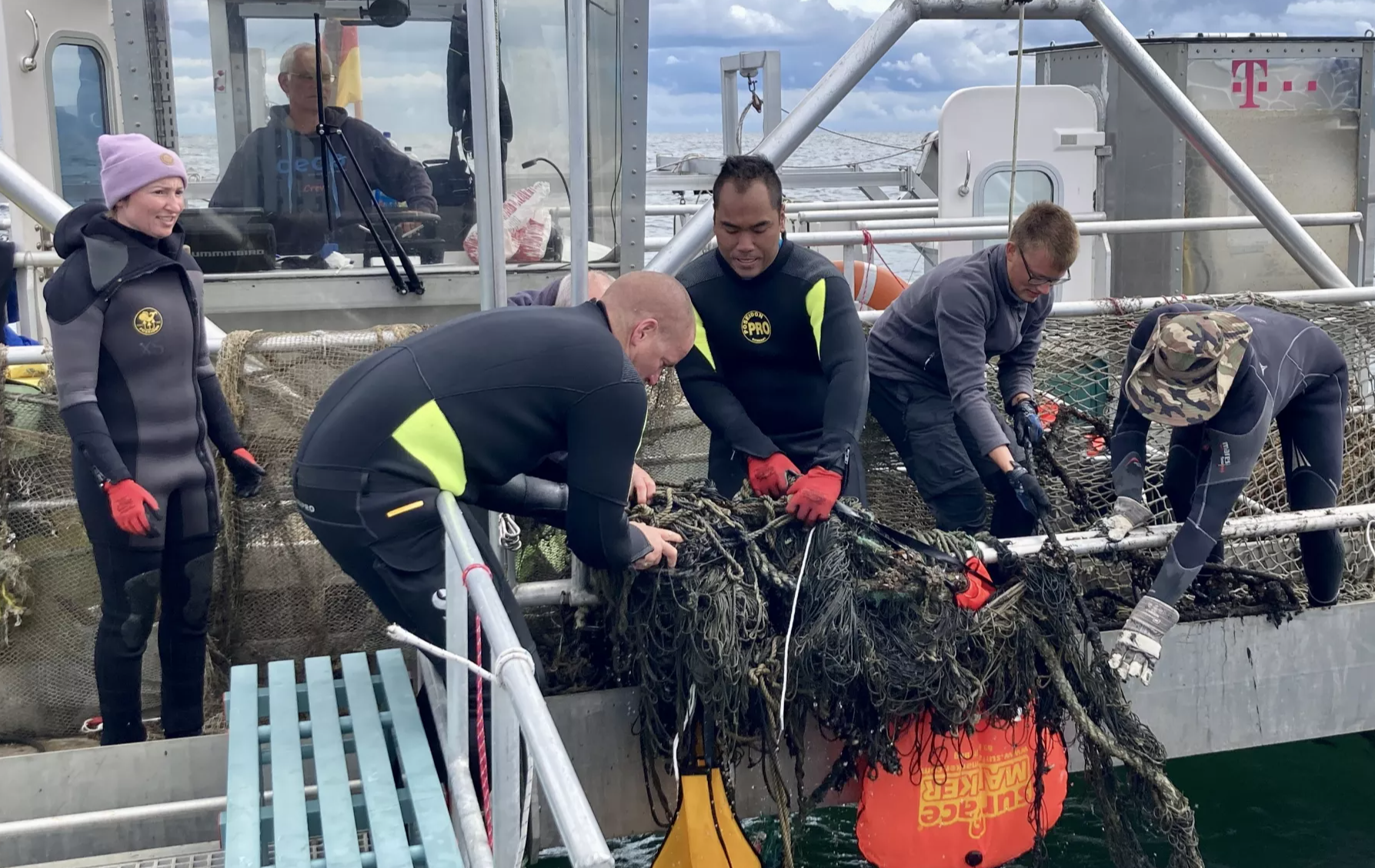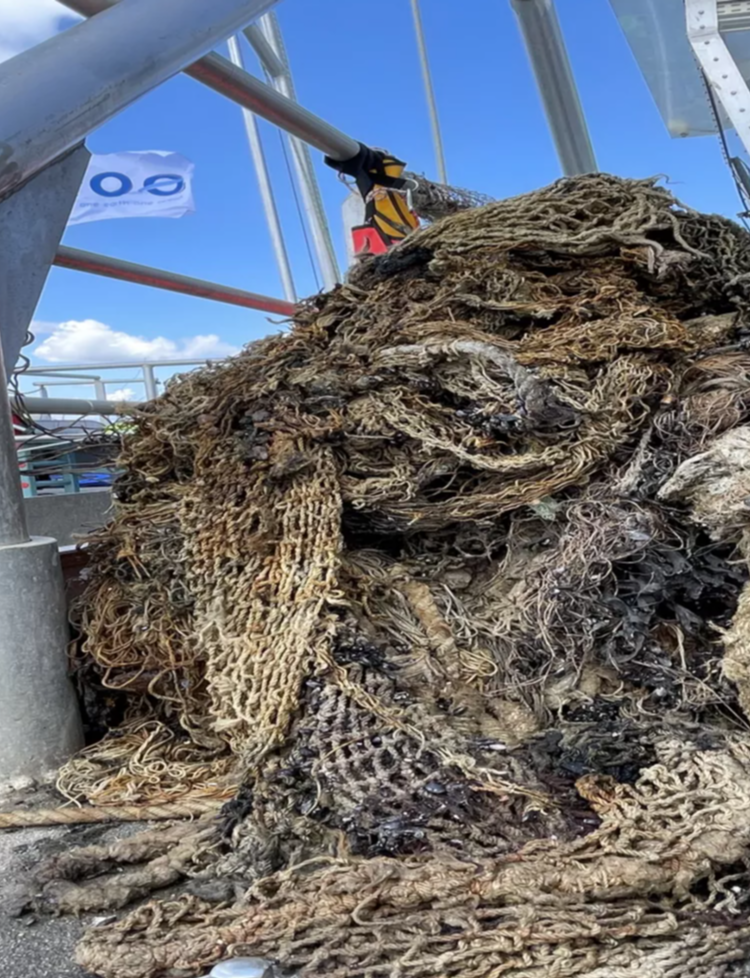
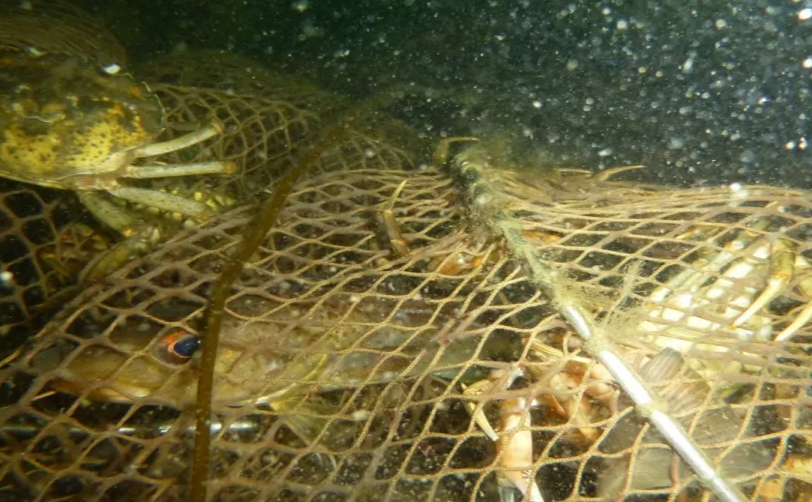
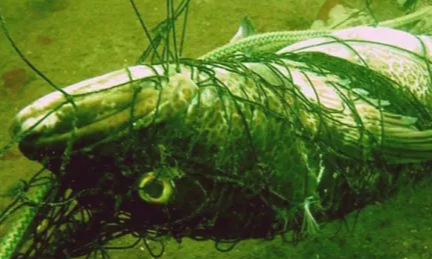
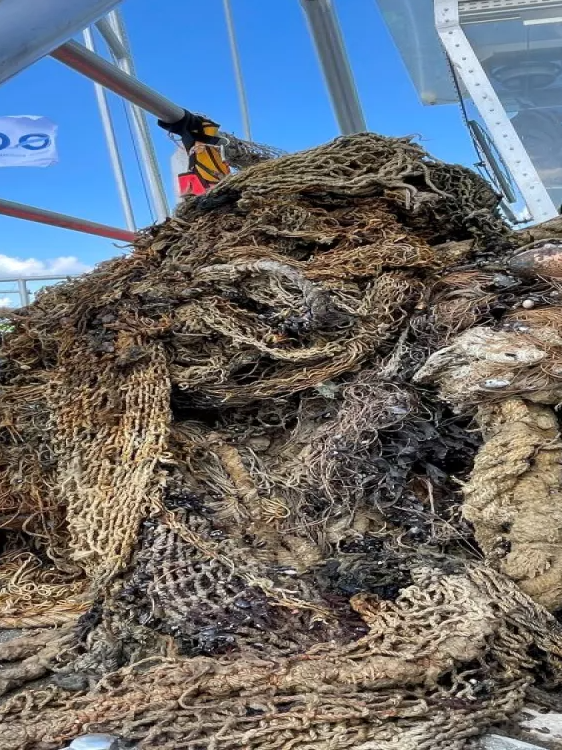
Ghost nets are among the most severe forms of marine debris worldwide. They are abandoned fishing gear that has either broken free during use or been cut loose by their owners, for example after becoming entangled on wrecks, rocks, or other obstacles. These nets drift freely in the water, become caught on wrecks, or remain on the seabed for years or even decades, posing a significant threat to marine ecosystems, shipping, and diving activities.
It is estimated that up to 10,000 fishing nets are lost annually in the Baltic Sea alone. Globally, nearly one tenth of marine debris consists of ghost nets. Due to their composition from plastics such as nylon, polyester, or polyethylene, these nets do not biodegrade but instead break down over time into microplastics and chemical degradation products such as plasticisers or coating substances.
Trap or Habitat?
Against this background, the Scientific Diving Association e.V. (SDA) initiated the third-party funded project “Ghost Nets – Trap or Habitat?” in 2015. The aim of the project is the systematic recording, assessment, and, where necessary, recovery of lost fishing gear in the Baltic Sea, as well as the investigation of its ecological impacts.
A central component of the project is the development of a web-based reporting system for documenting net discoveries and net losses. This system was developed in cooperation with recreational and research divers as well as stakeholders from the fishing sector in order to document sightings and losses in a structured manner.
Reporting System and Database
We established the reporting portal in 2015 and expanded it in 2018 by adding a dedicated database, which was made publicly accessible in the same year. Through a trilingual web interface, reports can be submitted including the date of discovery, location, and, if available, GPS coordinates.
The system is aimed at recreational and research divers, commercial and part-time fishers, sailors, commercial shipping operators, and other water sports users.
Our goal is to record net losses promptly in order to enable assessment and, if necessary, short-term recovery. At the same time, reported losses can ideally be relocated and returned to their owners or disposed of appropriately.
Investigation, Recovery, and Assessment
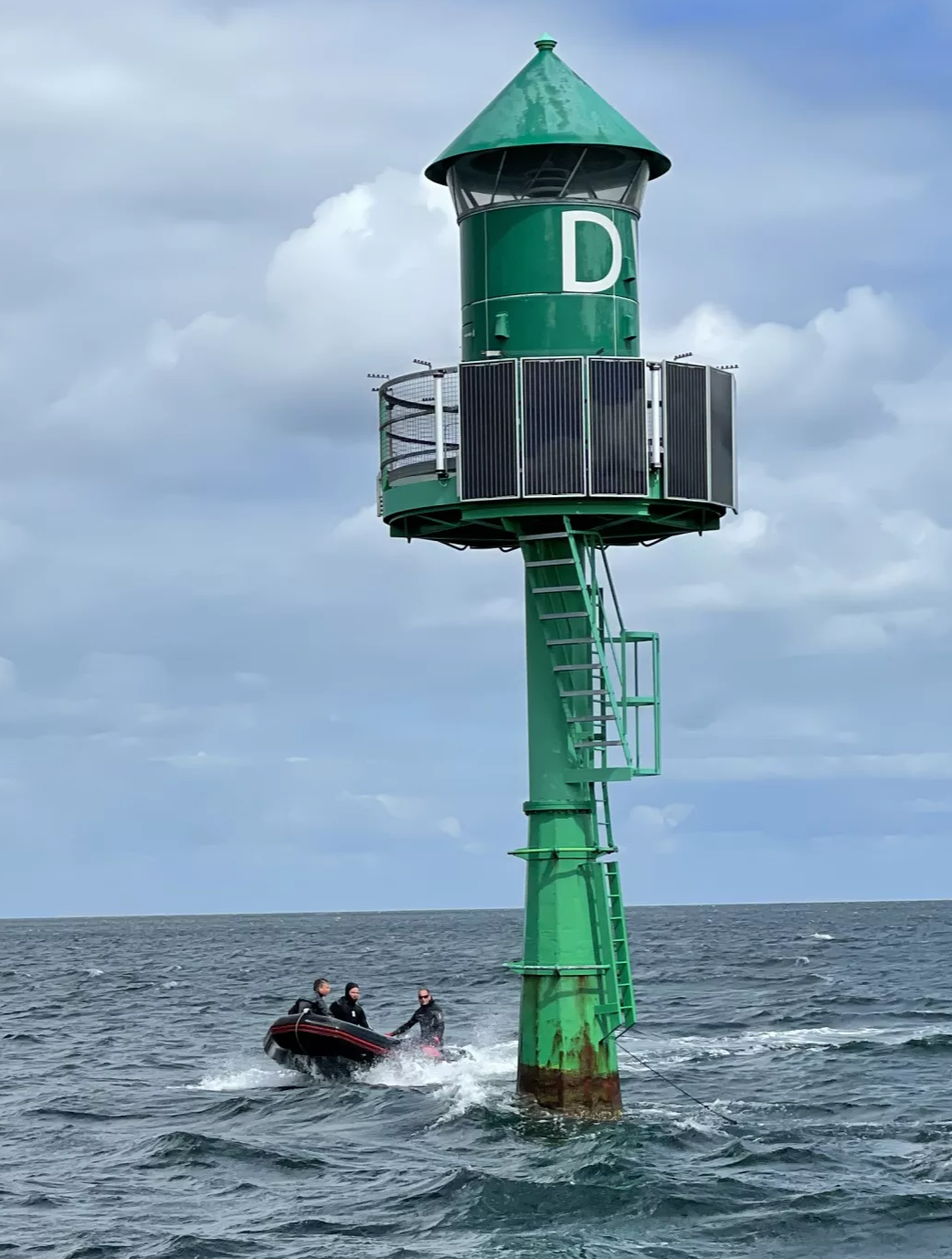
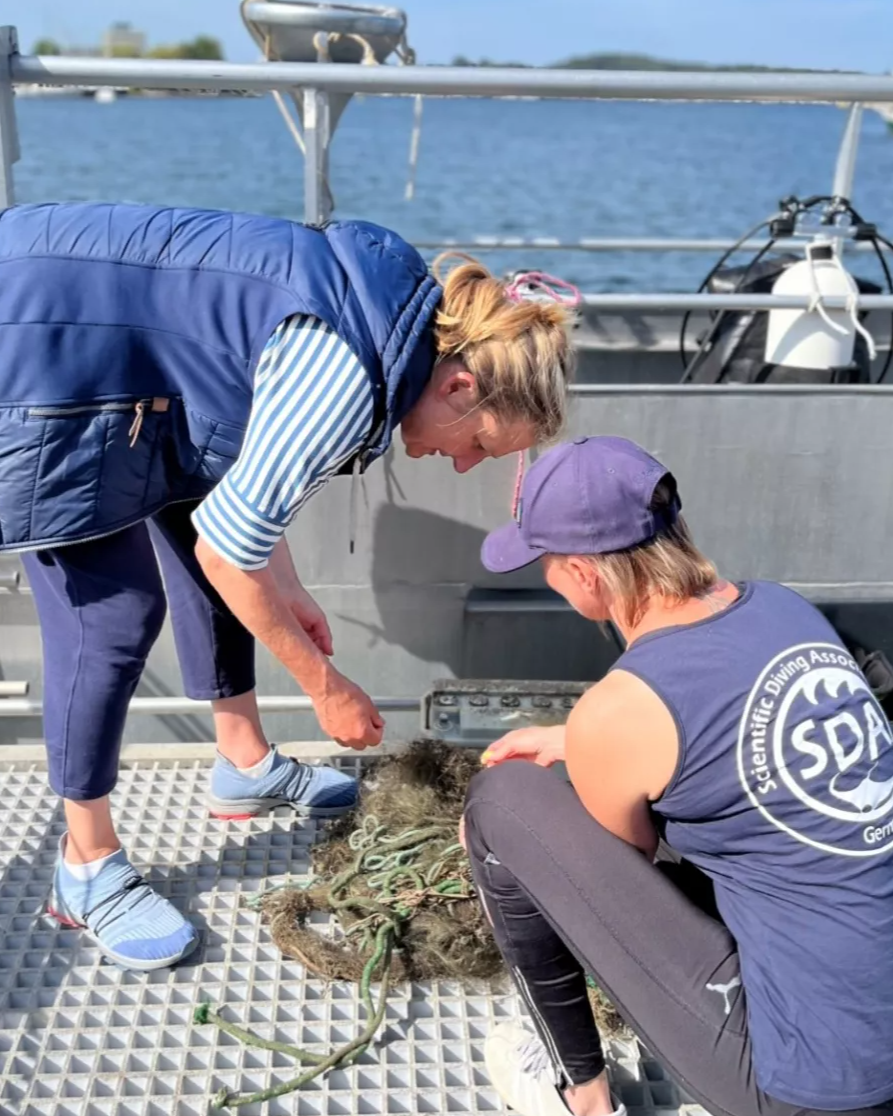
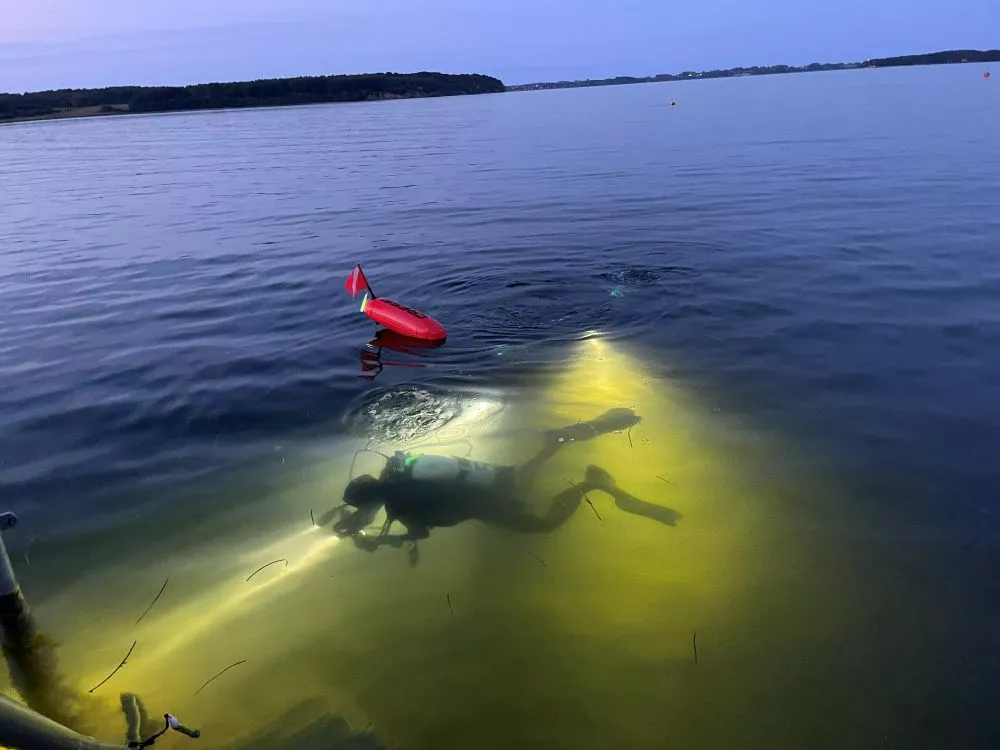
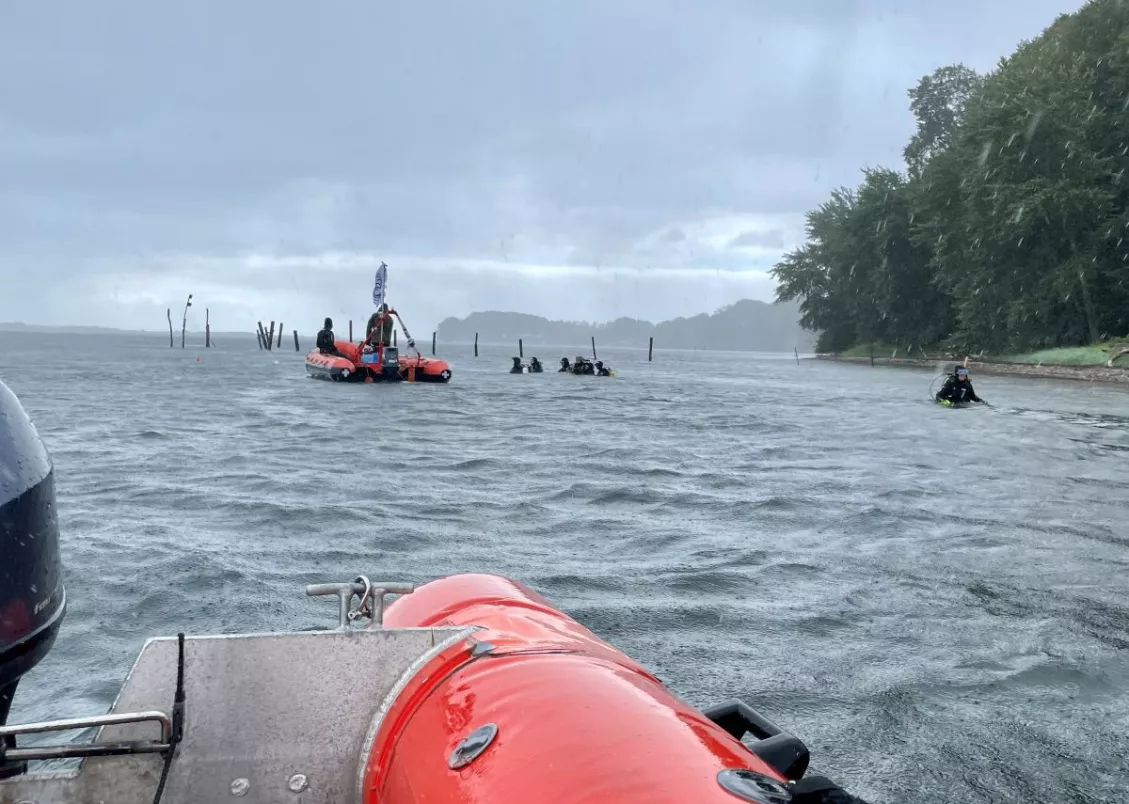
Alongside the development of the reporting system, we conduct regular diving operations to verify reported sites. On location, we identify and document ghost nets and assess their potential risk.
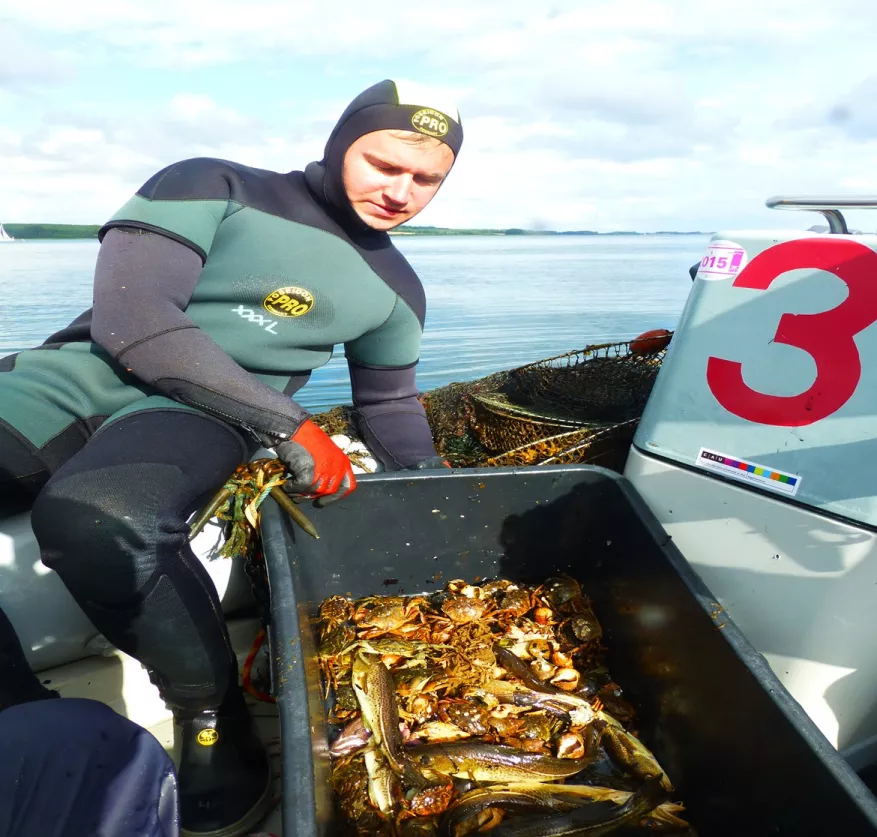
Particular attention is given to determining whether a net poses an immediate threat to marine mammals, fish, or seabirds (trap), or whether it has already become integrated into the marine ecosystem and serves as a habitat for sessile organisms.
In individual cases, nets that do not pose an immediate danger are monitored over longer periods in order to gain insights into their ecological role and the microplastic input from ageing plastic nets.
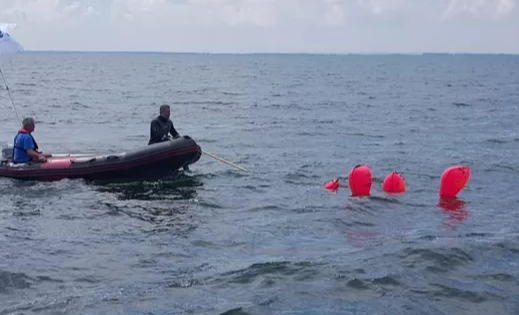
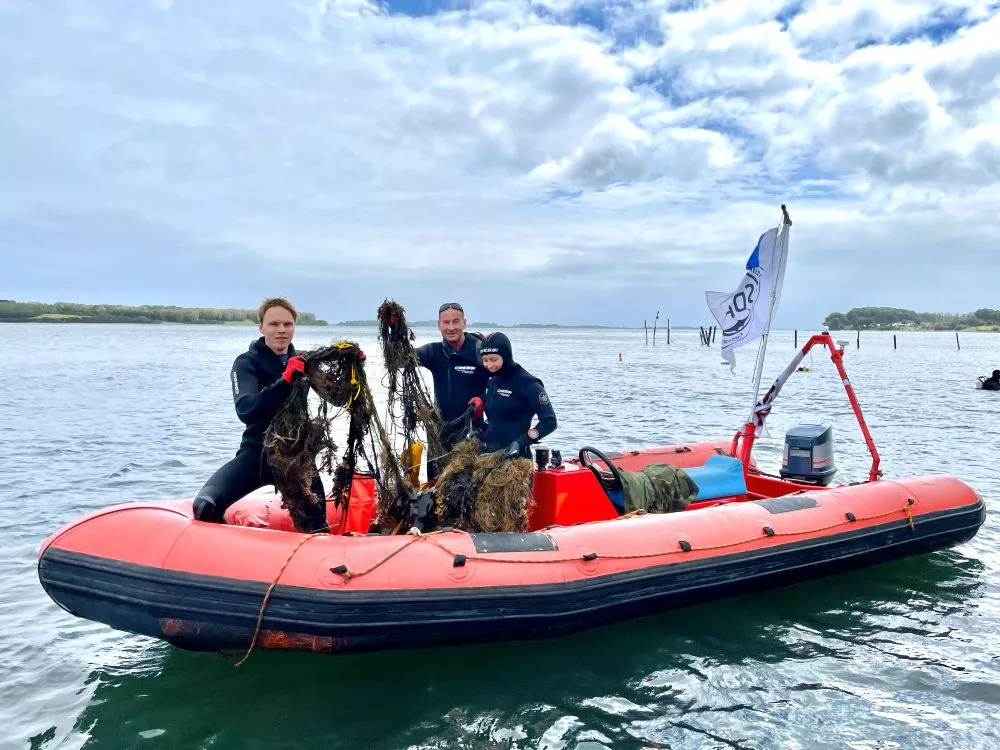
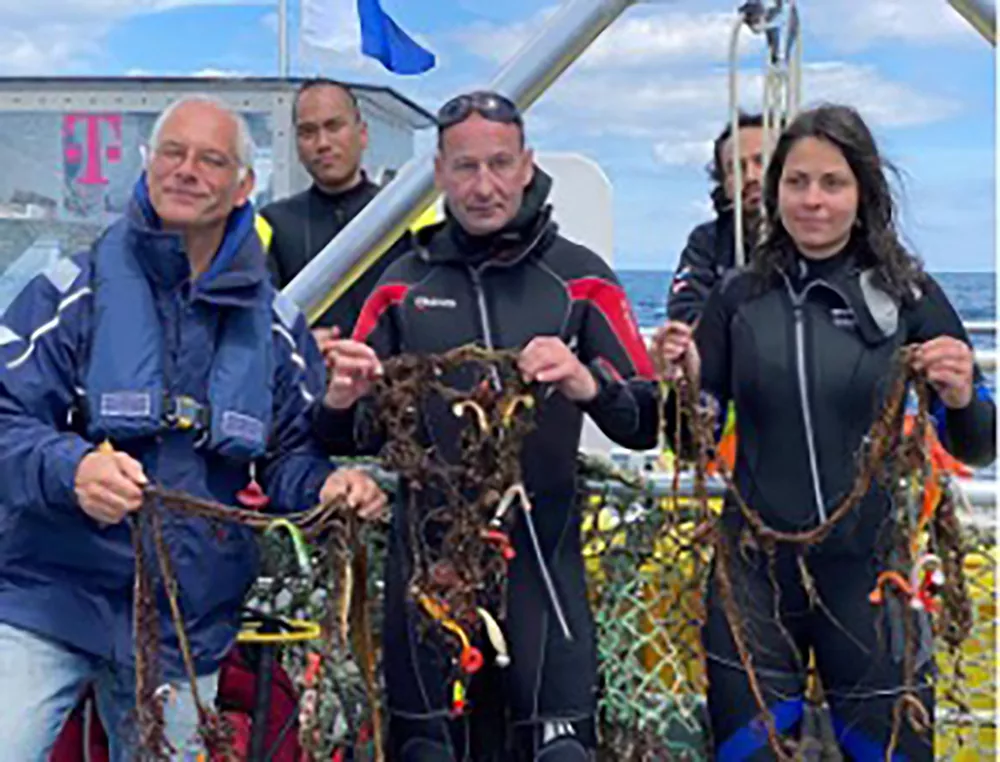
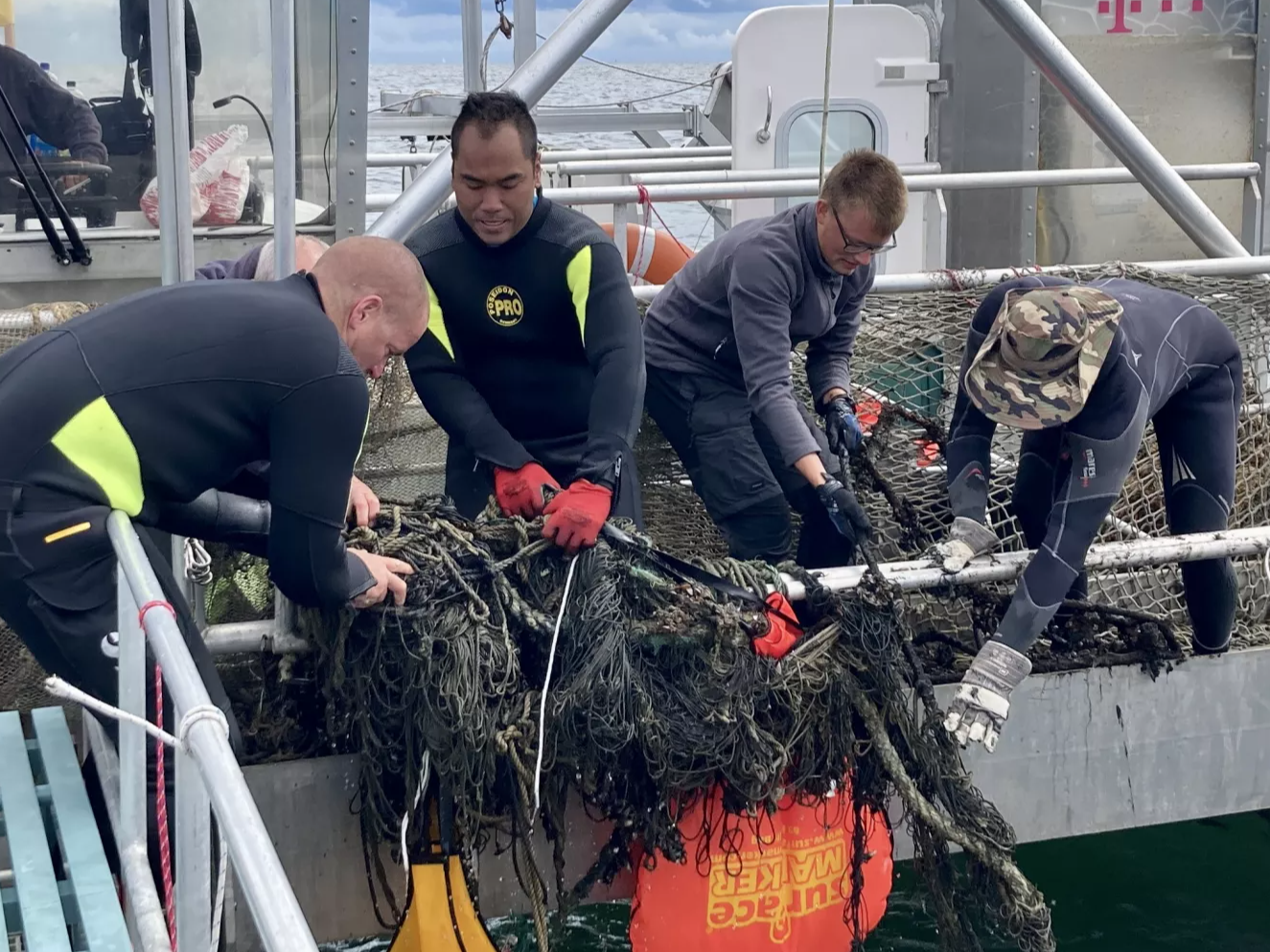
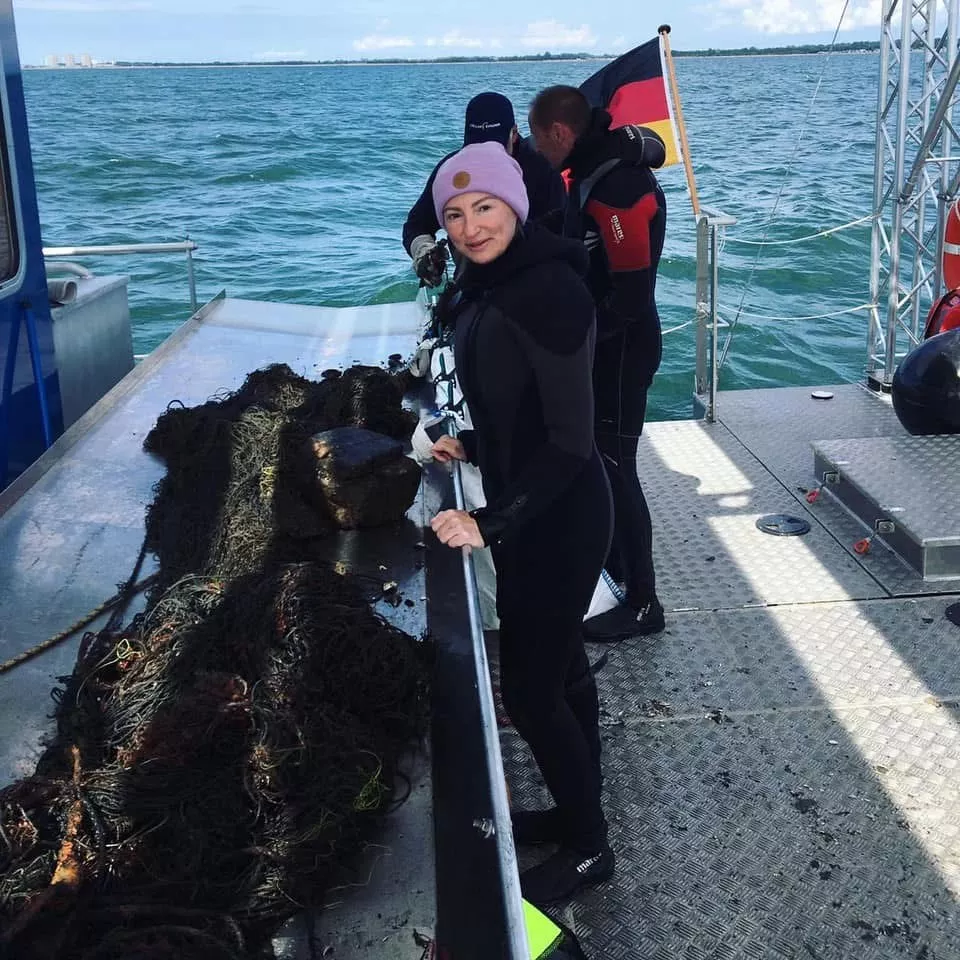
We deliberately refrain from using mechanical recovery methods such as trawl gear or dredging equipment, as these are proven to damage benthic habitats. All recoveries are carried out exclusively by divers.
Working Methods and Area of Operation
The project’s area of investigation covers the western Baltic Sea, including:
- Kiel Bay and Kiel Fjord
- Flensburg Fjord
- Fehmarn Belt and Fehmarn Sound
- Lübeck Bay
- Danish Baltic Sea areas such as Langeland and the Little Belt
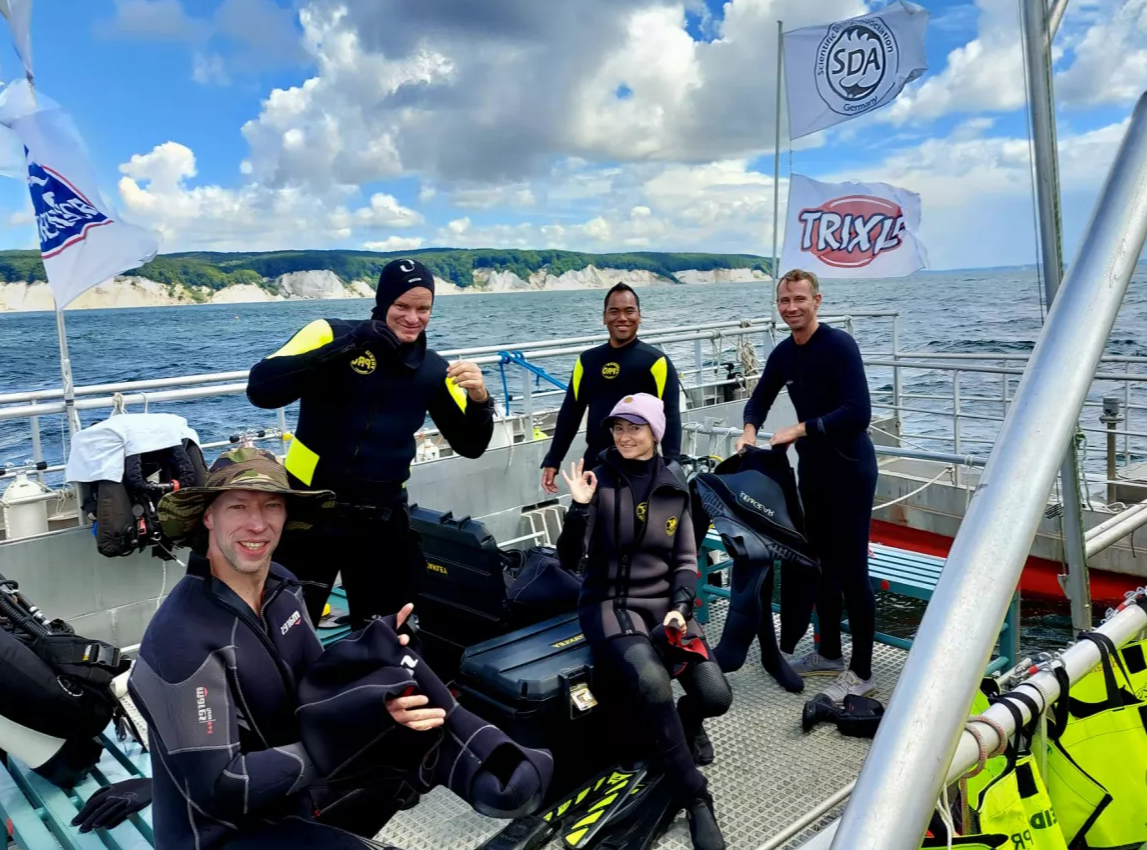
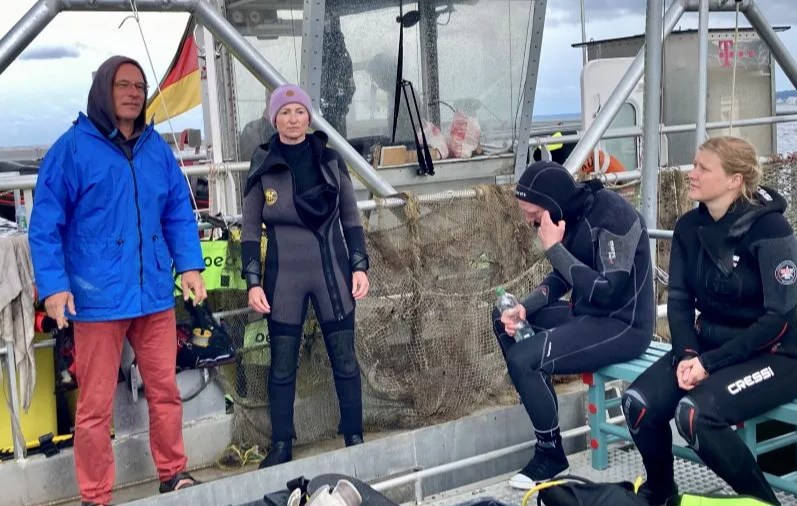
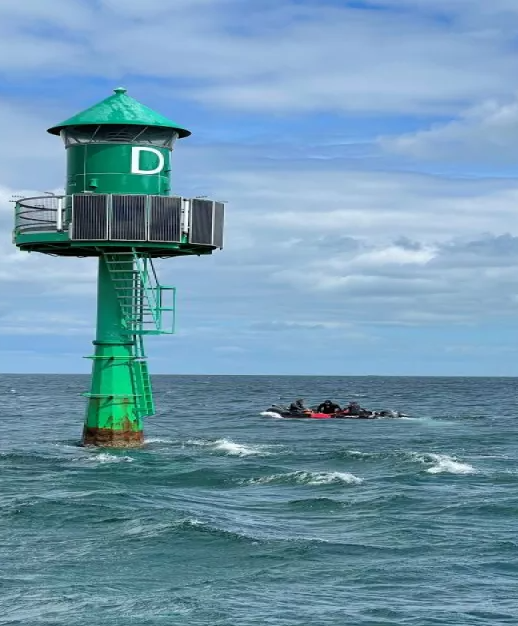
Operations are carried out by trained research divers and experienced recreational divers. Prerequisites include experience in cold-water diving, working in limited visibility and currents, and the safe handling of lifting bags. Each year, we complete around 800 diving hours over approximately 45 to 50 operational days. In addition, planning, permits, logistics, and documentation work are required.
Recognition and Further Development
For the project “Ghost Nets – Trap or Habitat?”, we received the Environmental Award of Stadtwerke Kiel in 2017. This recognition enabled the continuation and expansion of the project. Since then, we have continuously maintained and further developed the reporting system. Our goal is to improve the data basis, raise awareness of the issue, and make concrete contributions to the protection of the Baltic Sea.
Get involved
The project thrives on the commitment of many participants. We are looking for:
- Recreational and research divers
- Scientists and students (e.g. for theses)
- Fishers, anglers, and seafarers
- Sponsors and supporters
Anyone interested can contact the Scientific Diving Association e.V. at info@sda-kiel.de.