Sea Turtle Conservation on Mafia & Juani Island (Tanzania)
The waters around Mafia Island and the neighbouring islands such as Juani are among the most important marine protected areas in Tanzania and form a key habitat for sea turtles in the western Indian Ocean.
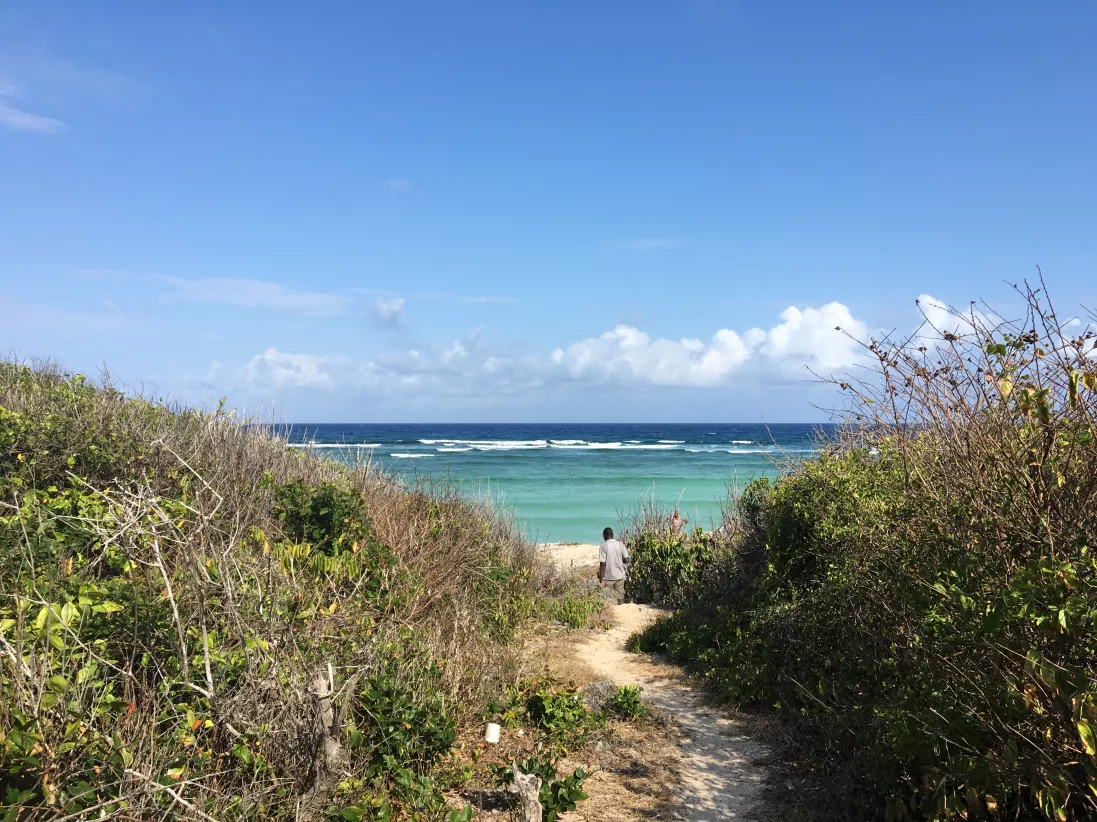
Surrounding the island is the Mafia Island Marine Park, one of Tanzania’s most significant marine conservation areas. Established in 1995, the park covers an area of approximately 822 km². Here, seagrass meadows, coral reefs, tidal flats, and mangroves merge into a unique ecosystem that hosts remarkable biodiversity.
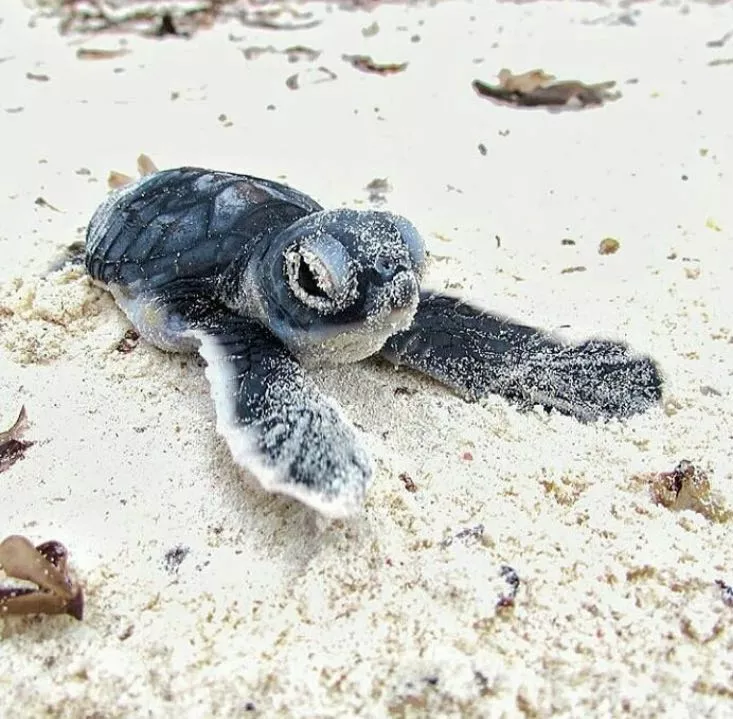
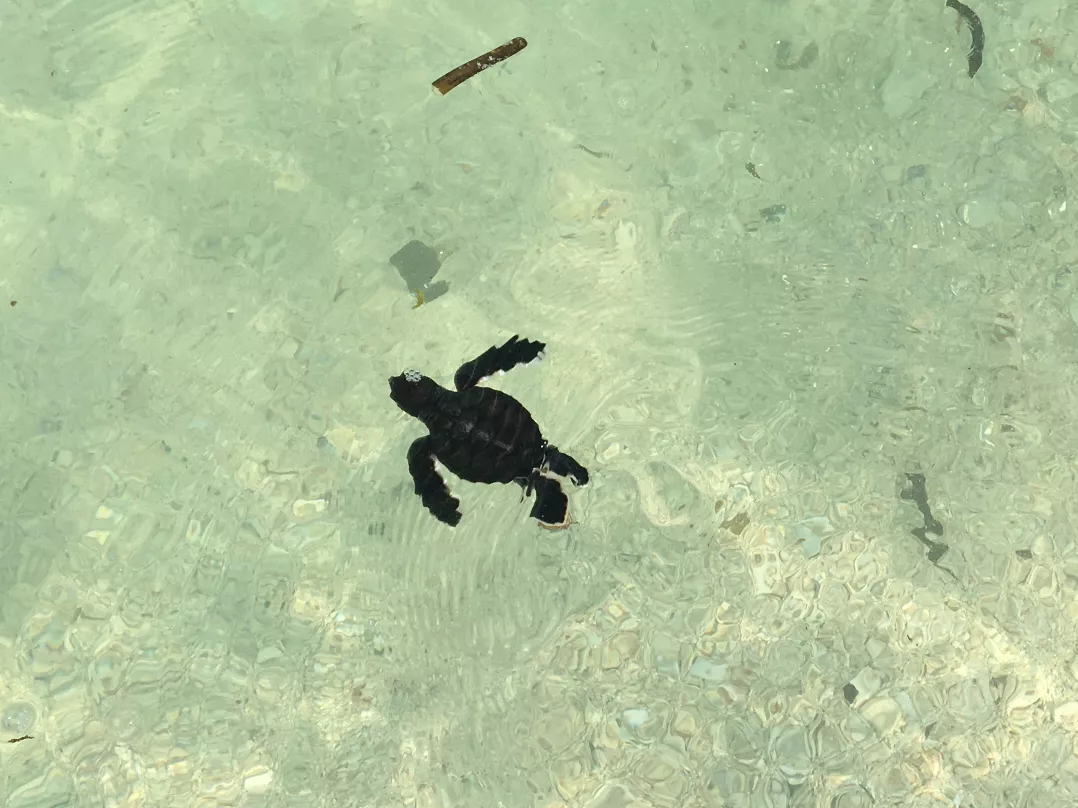
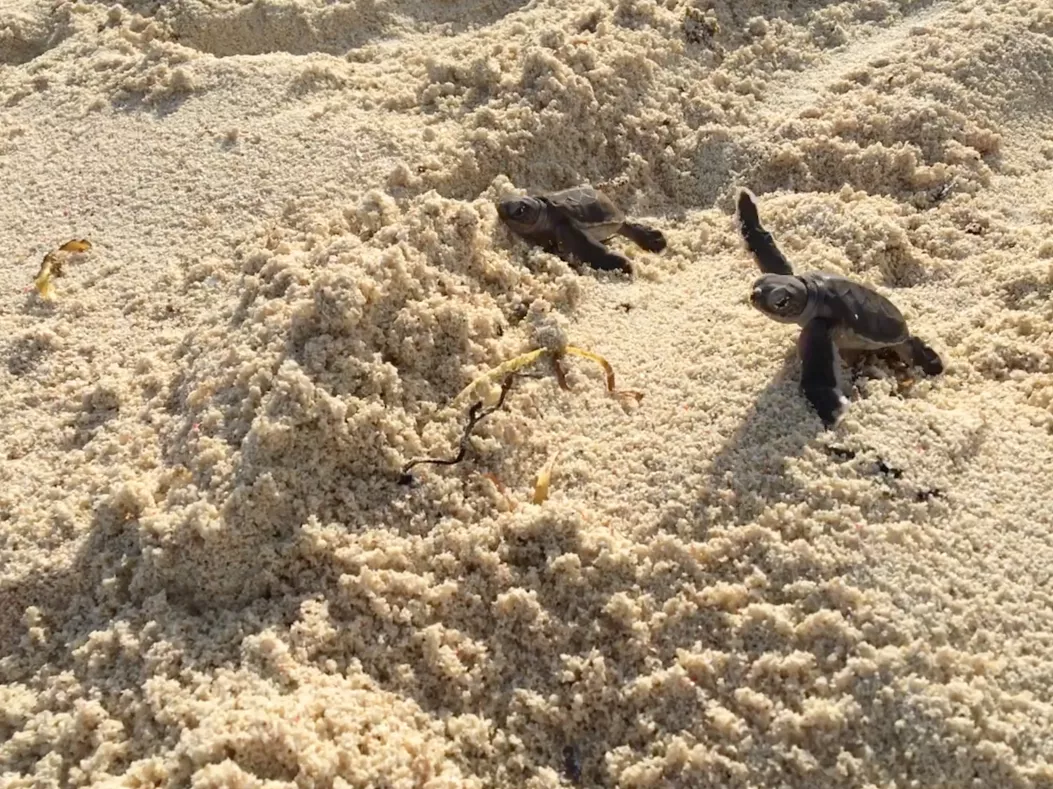
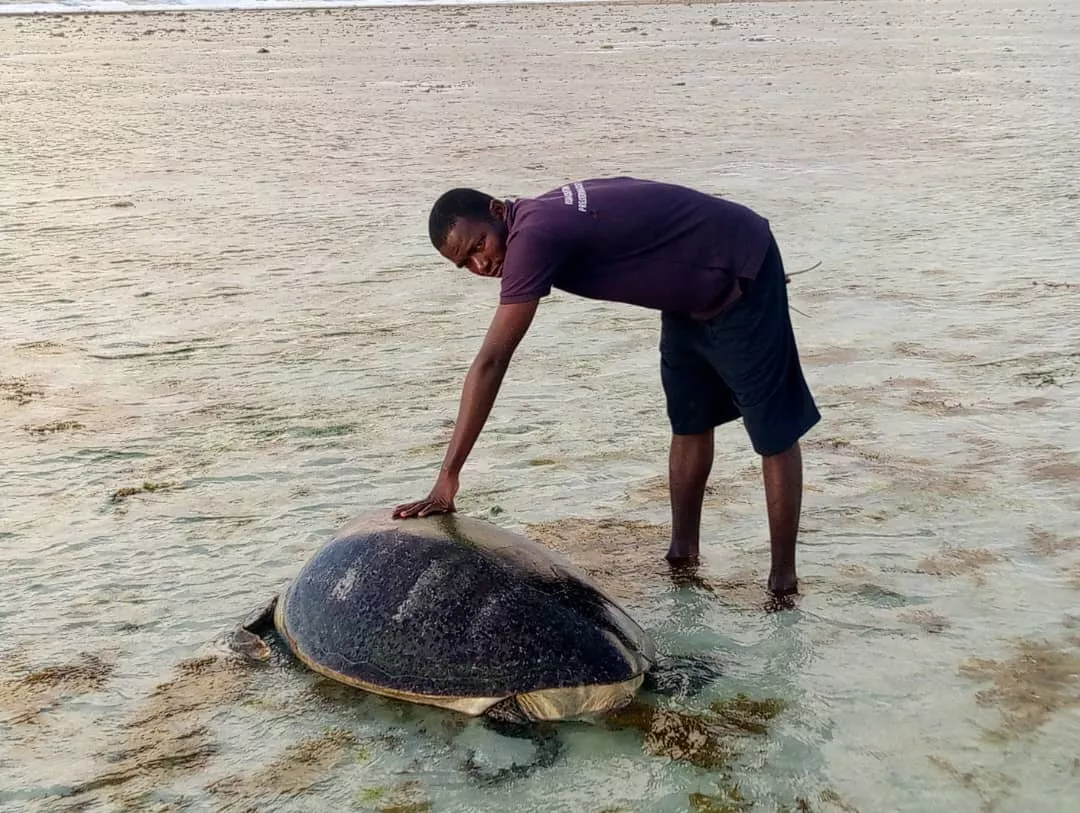
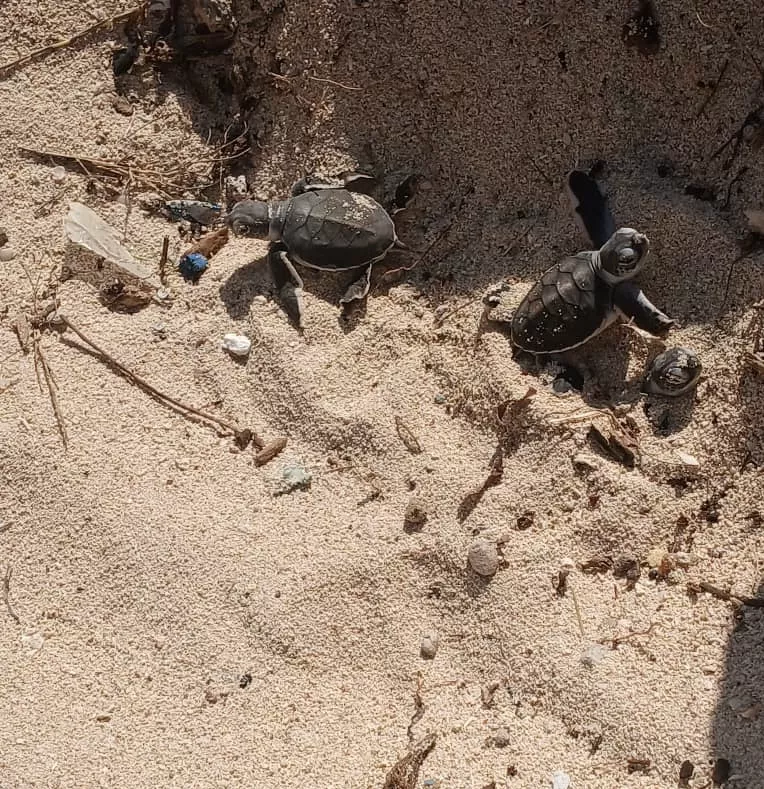
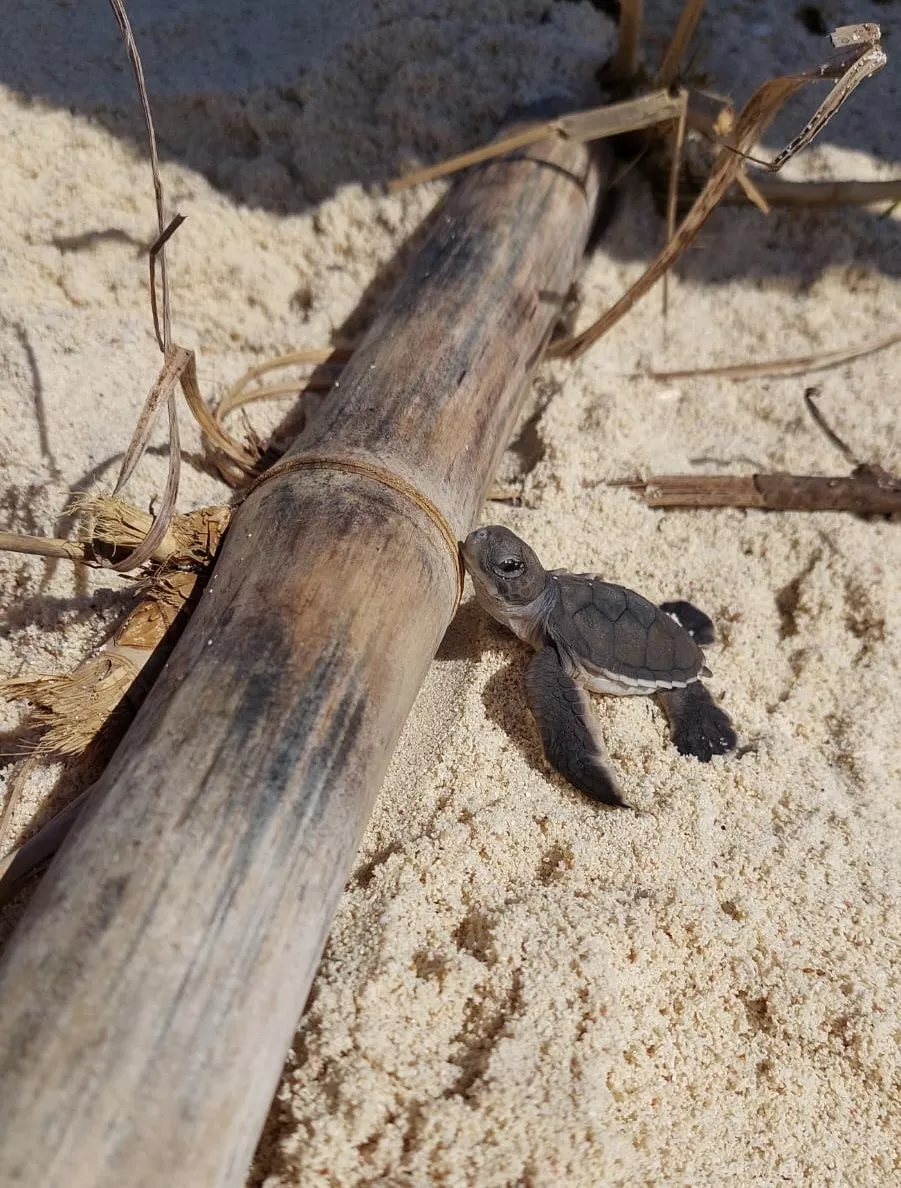
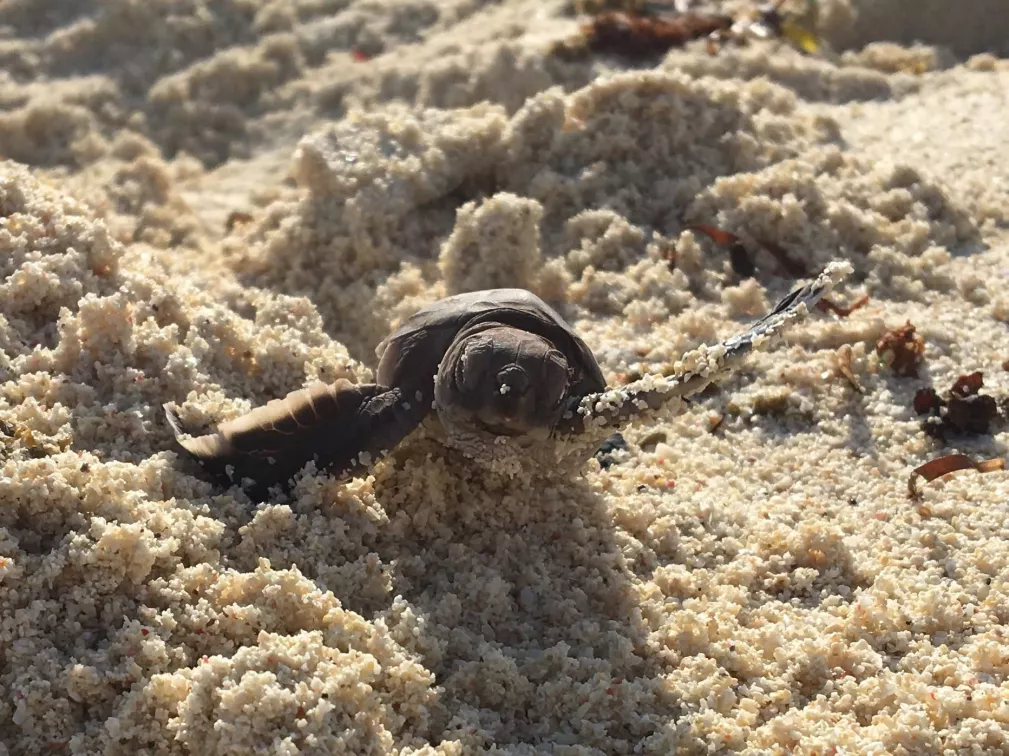
Several sea turtle species occur in Tanzania, including green turtles and hawksbill turtles, which regularly come ashore here to lay their eggs. These species are internationally classified as endangered and are part of the region’s biodiversity, whose populations are threatened by habitat loss, bycatch, pollution, and anthropogenic disturbances.
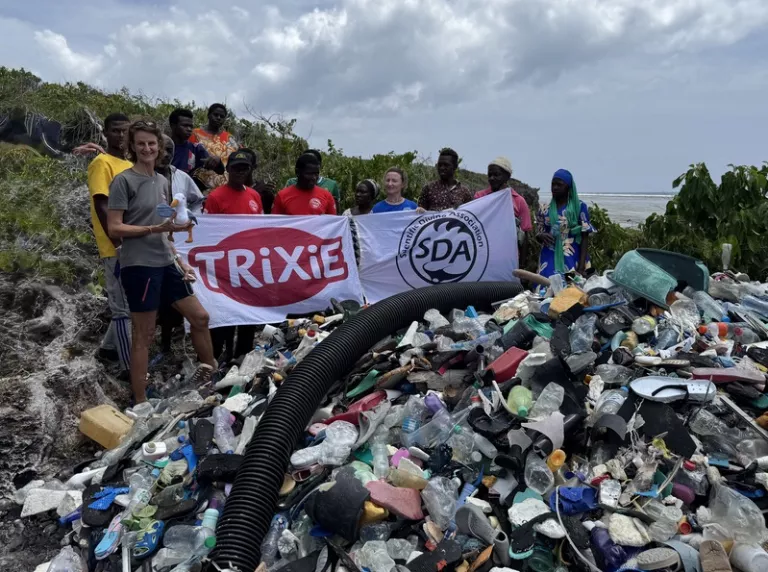
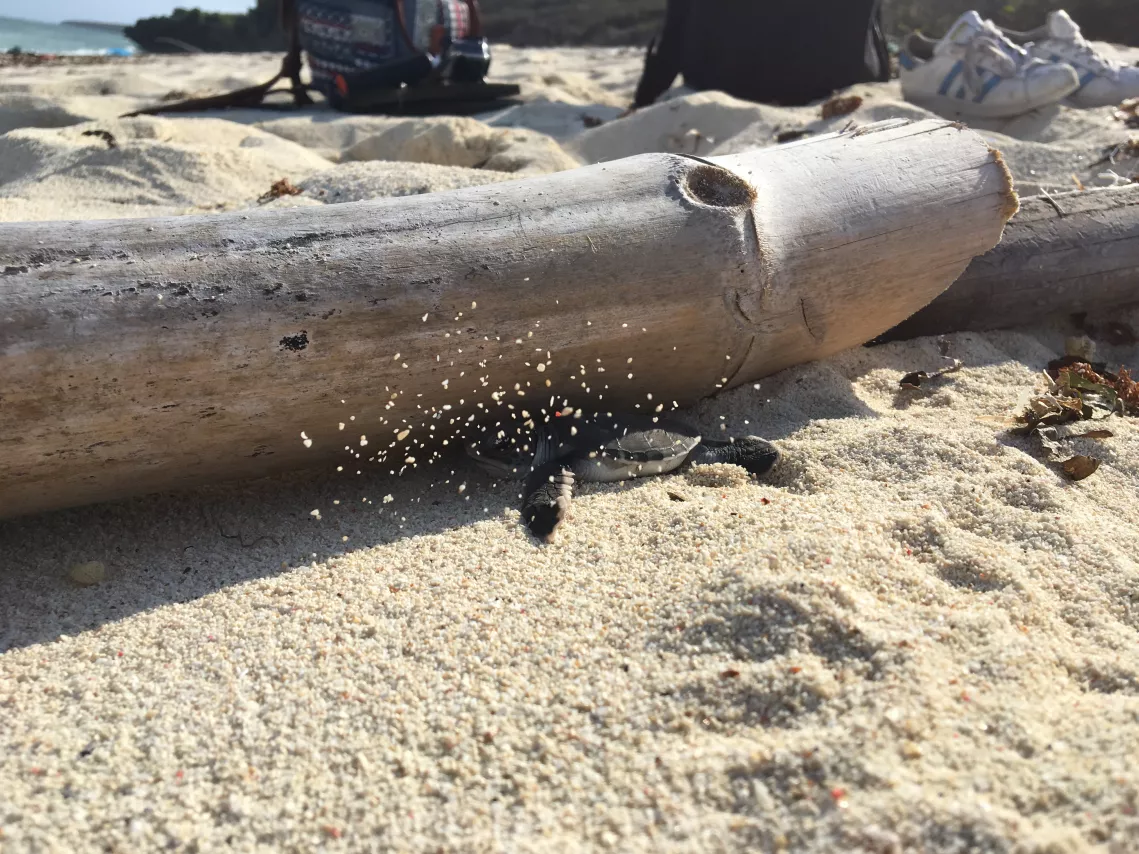
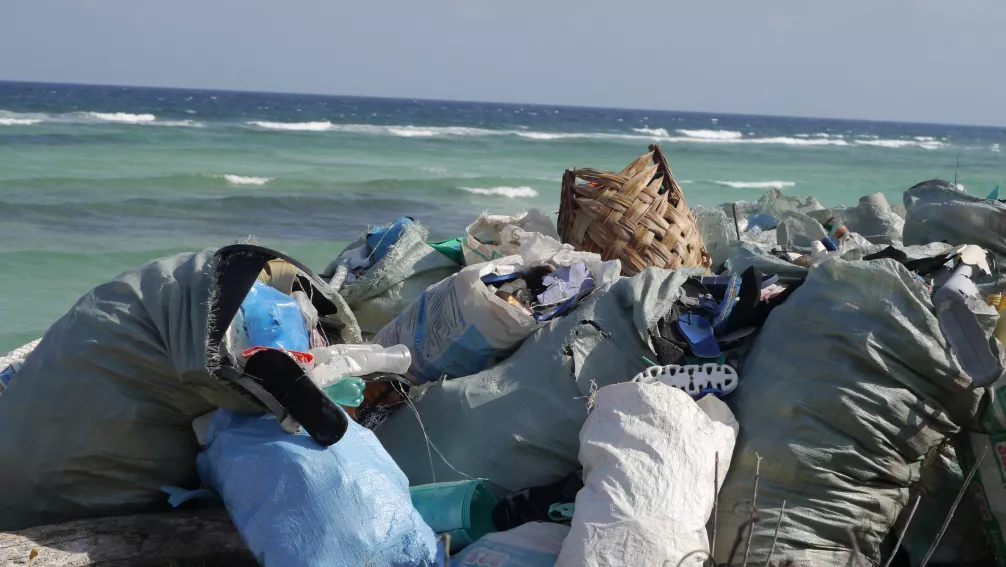
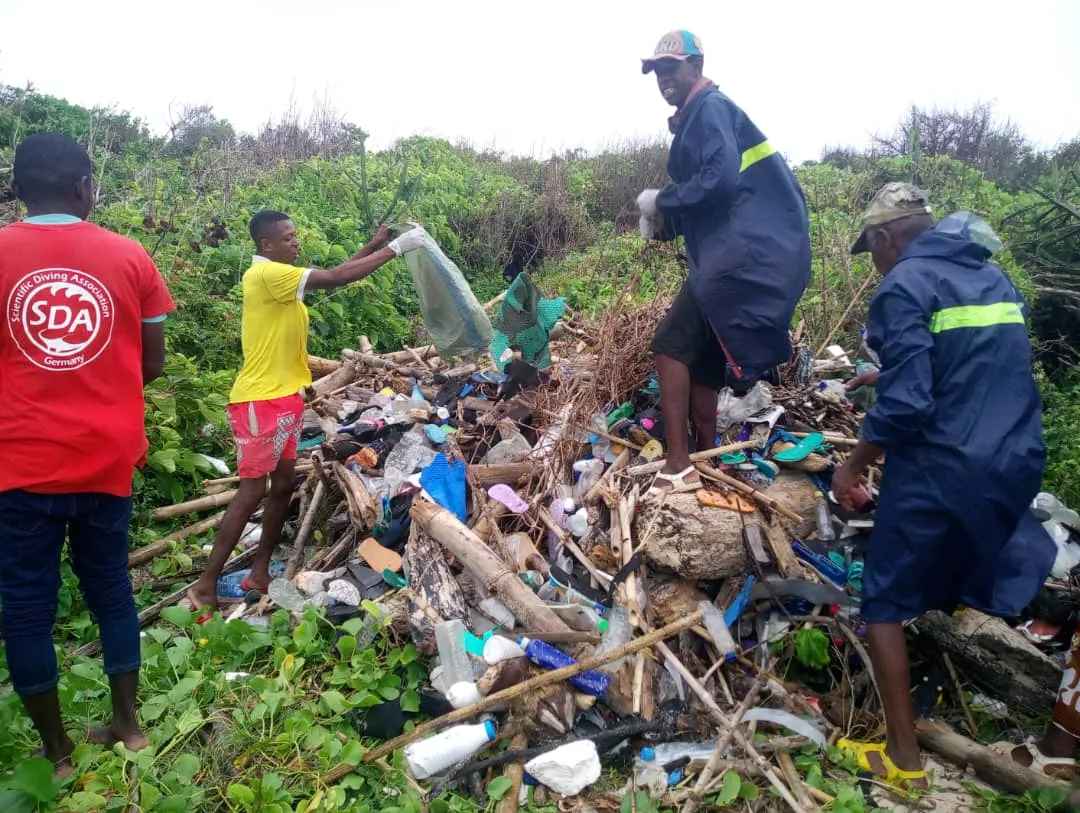
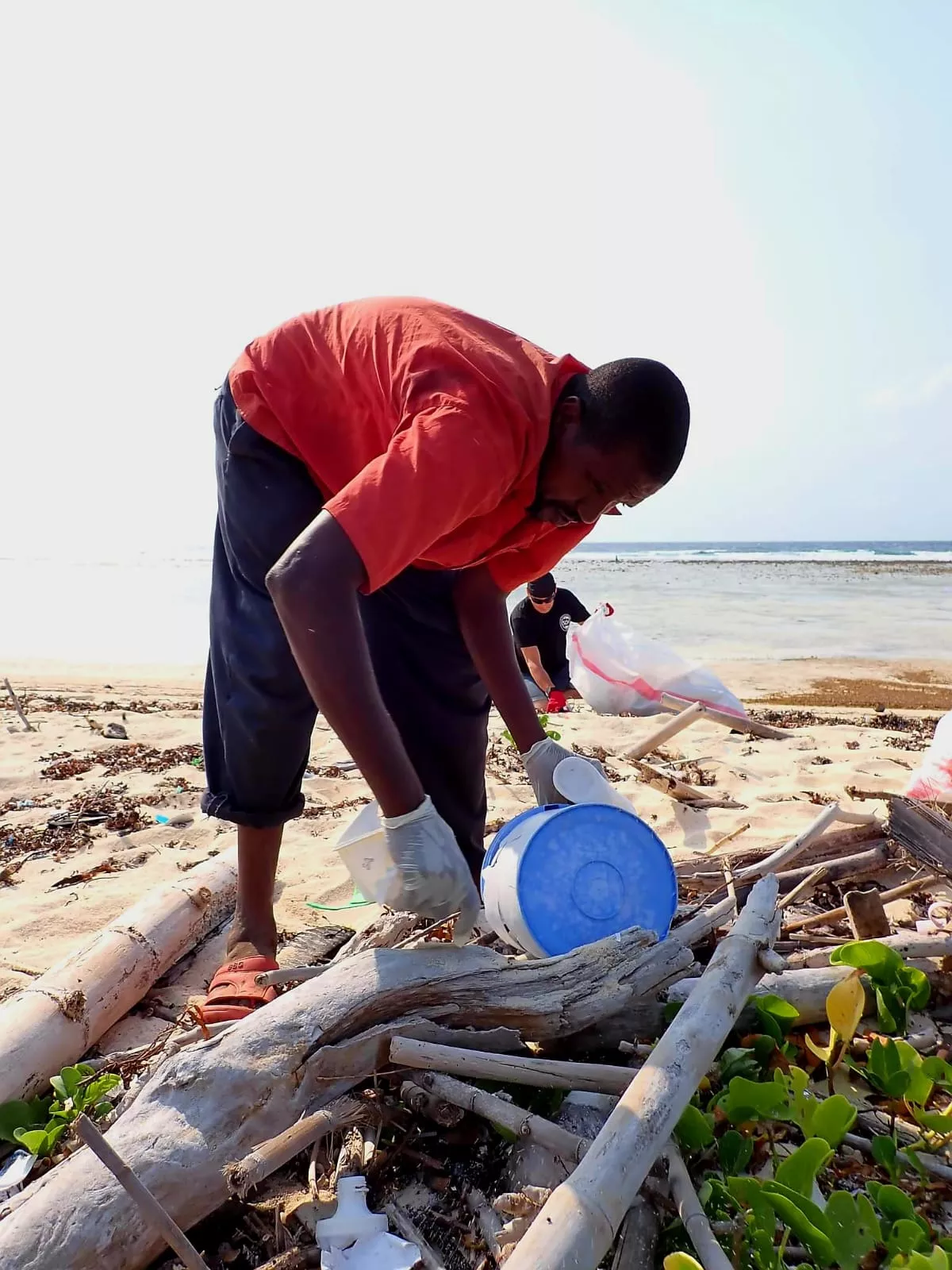
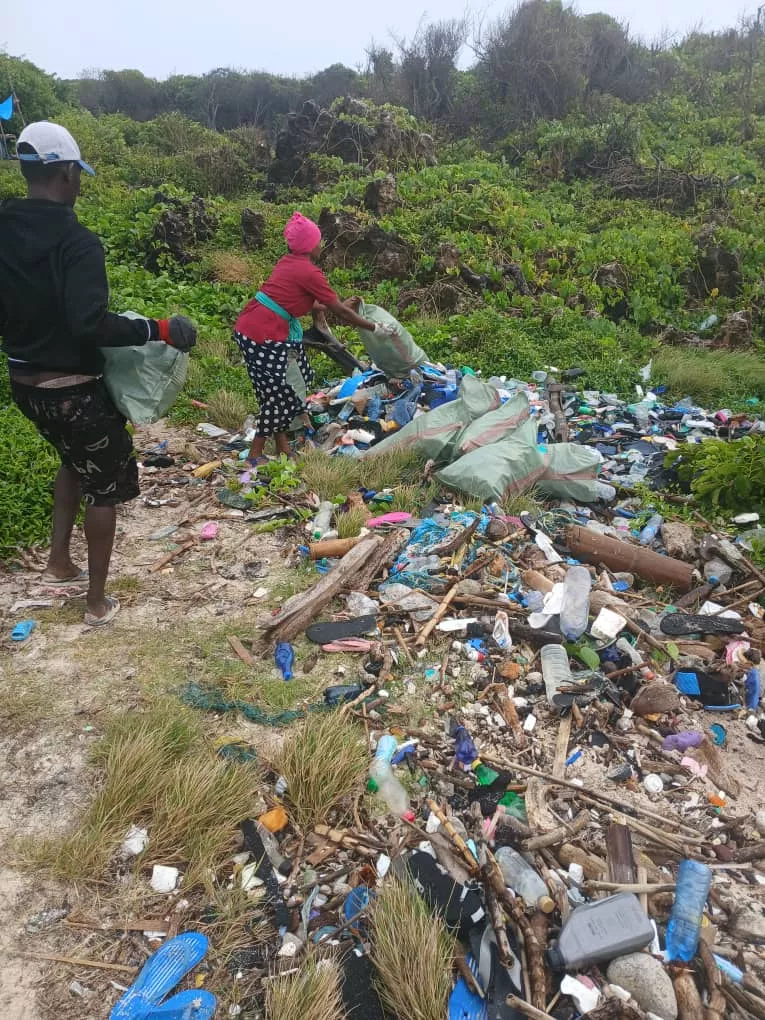
Plastic waste and lost fishing nets are carried by ocean currents from the Indian Ocean to the beaches of Juani and Mafia Island. Debris accumulates along the shore, not only affecting the natural landscape but also obstructing turtles during nesting and hatchlings on their way to the sea. Plastic is often mistaken for food by turtles, leading to internal injuries and mortality, and can block access to their traditional nesting sites. Microplastics and chemical degradation products further impact marine food webs.
Objectives of the SDA Project
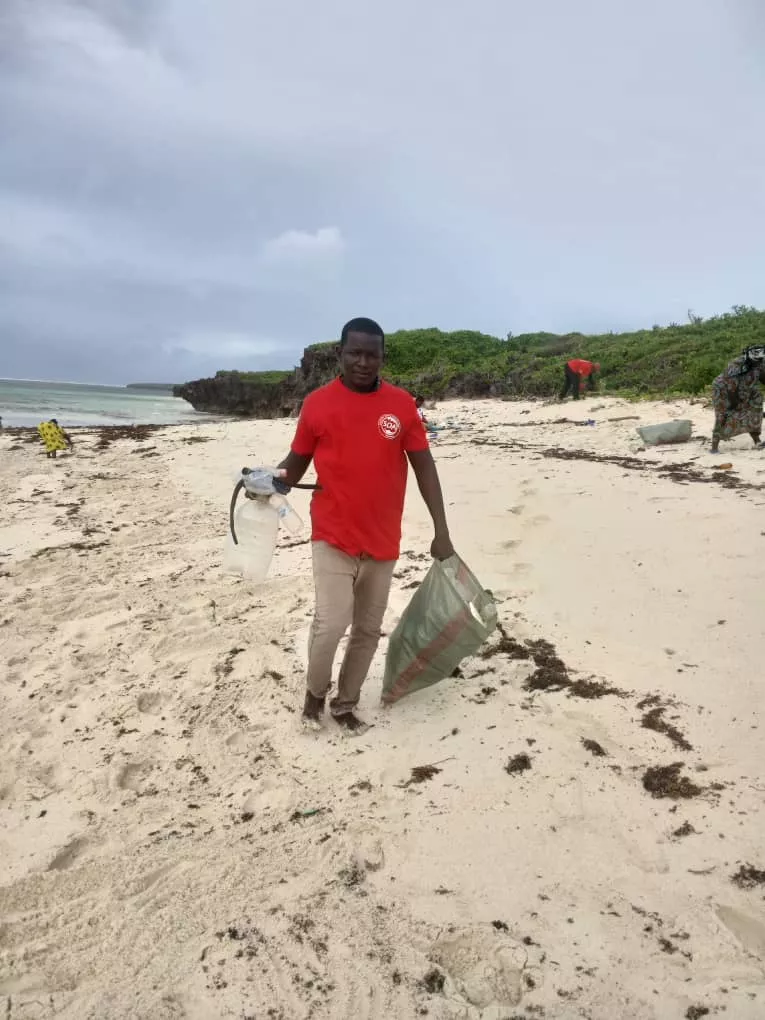
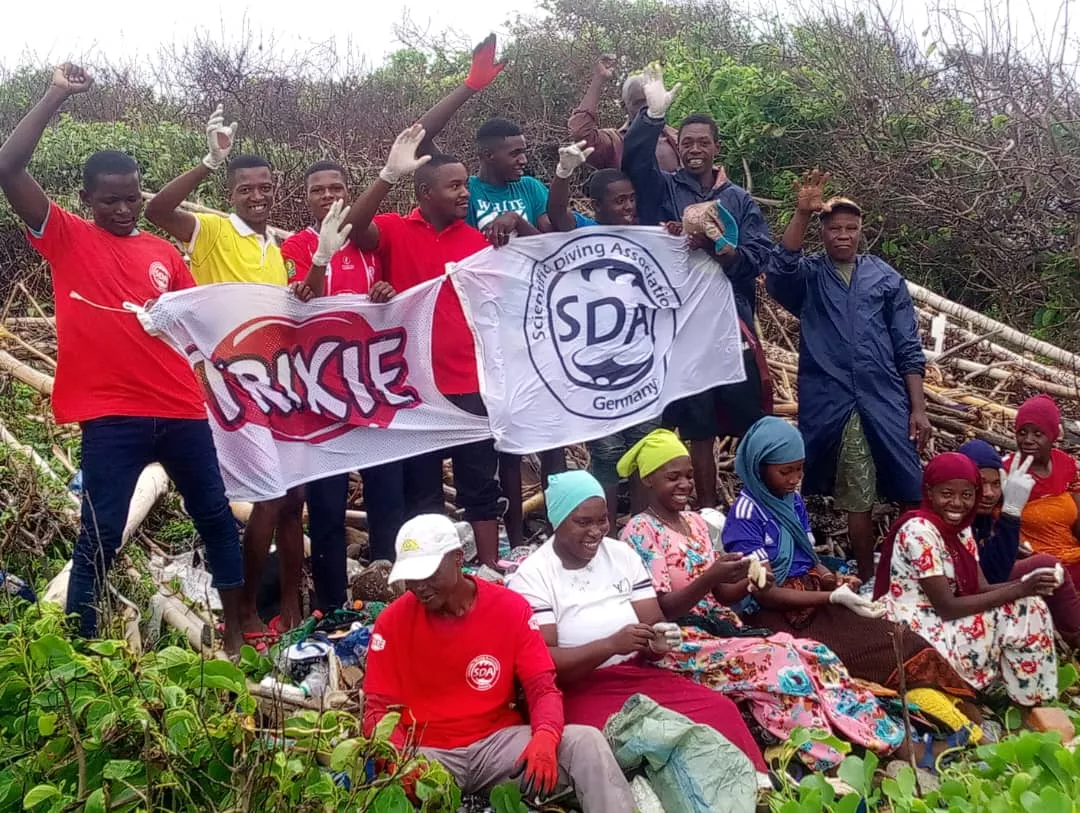
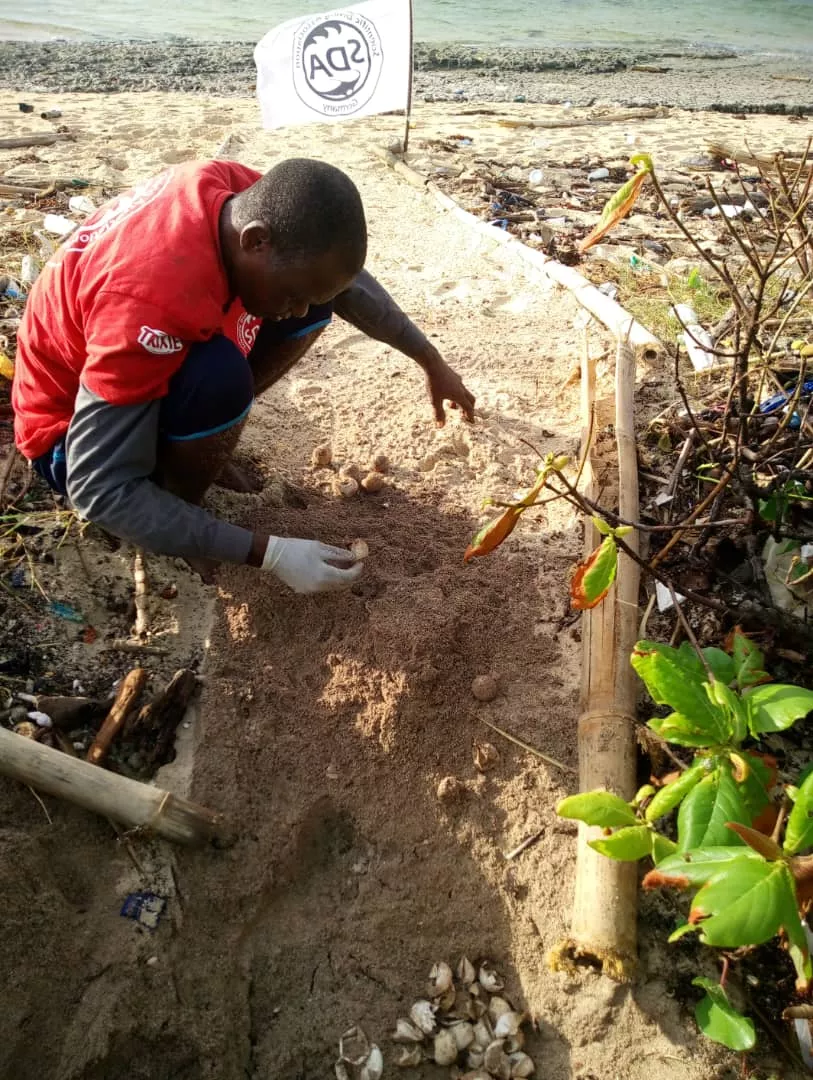
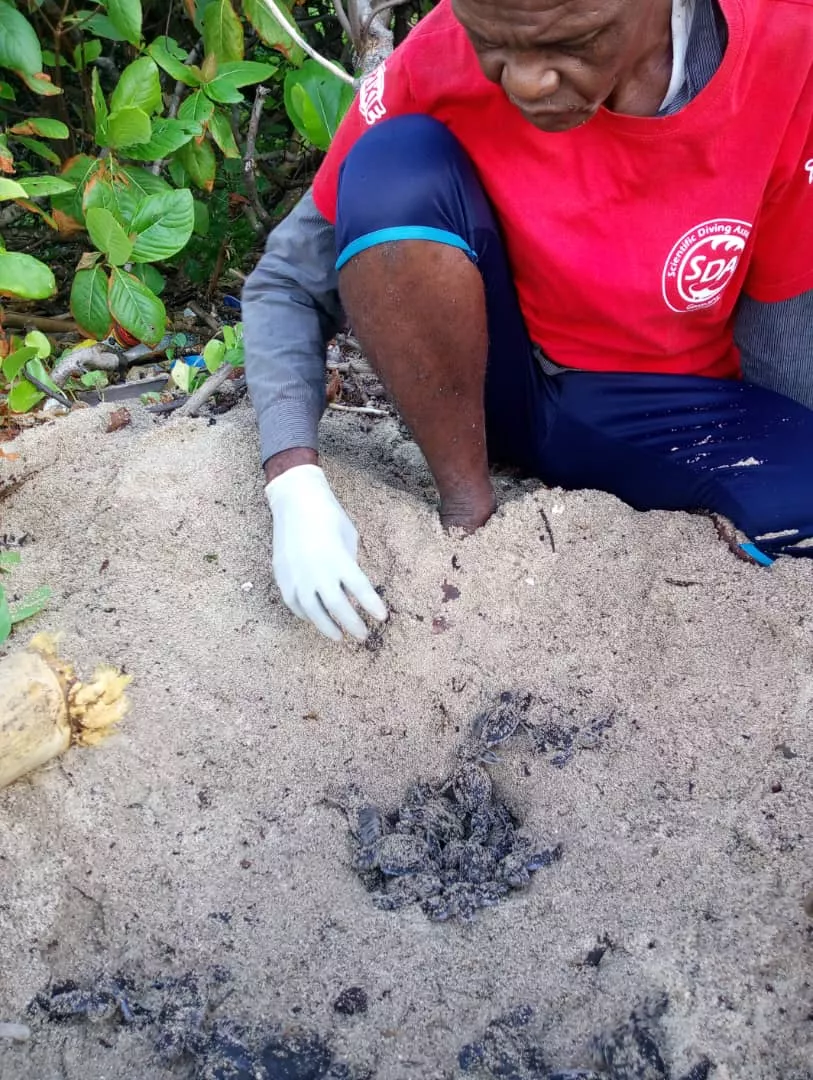
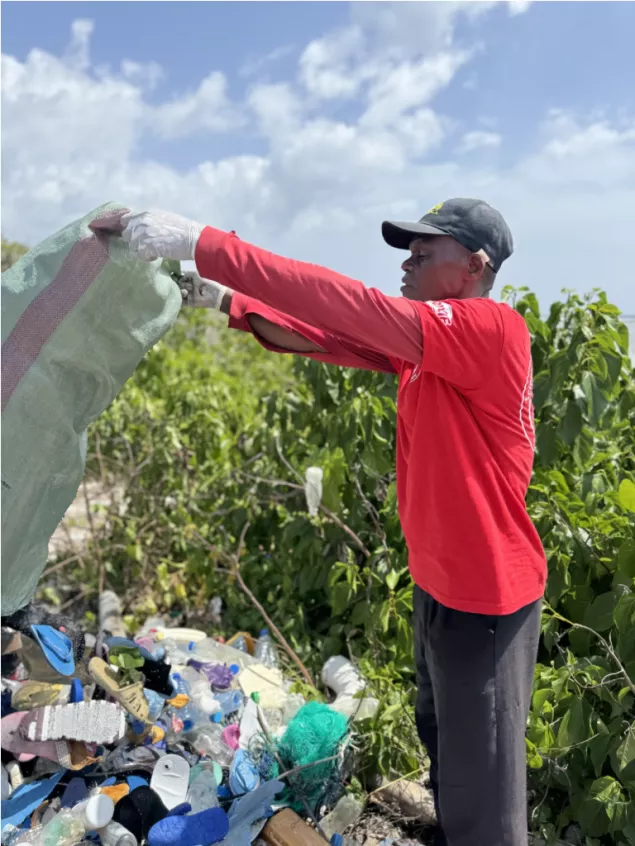
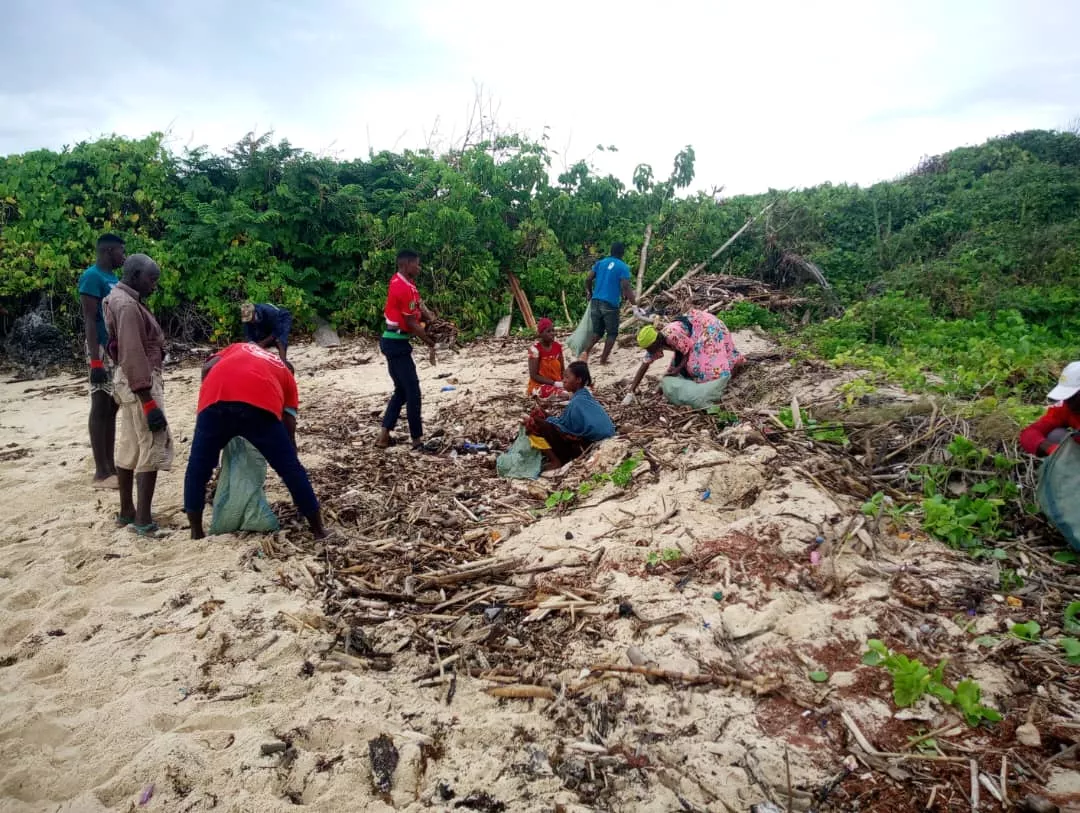
The sea turtle conservation project aims to sustainably protect sea turtle populations, actively involve local communities, and establish long-term structures to prevent waste-related problems. A central focus is the protection and continuous monitoring of nesting beaches in order to secure nesting sites and reliably monitor hatching rates, complemented by regular beach clean-ups carried out together with local volunteers, during which plastic waste and ghost nets are removed. At the same time, a central collection and recycling system for plastic waste is being developed with the goal of creating local cycles and ensuring that waste is processed in a meaningful way. Another key component is the acquisition of a waste compactor to efficiently prepare plastic materials for recycling and local resale. In addition, the project provides comprehensive awareness-raising and educational activities in schools and communities to strengthen environmental awareness and promote long-term waste prevention.
Our Approach on Site
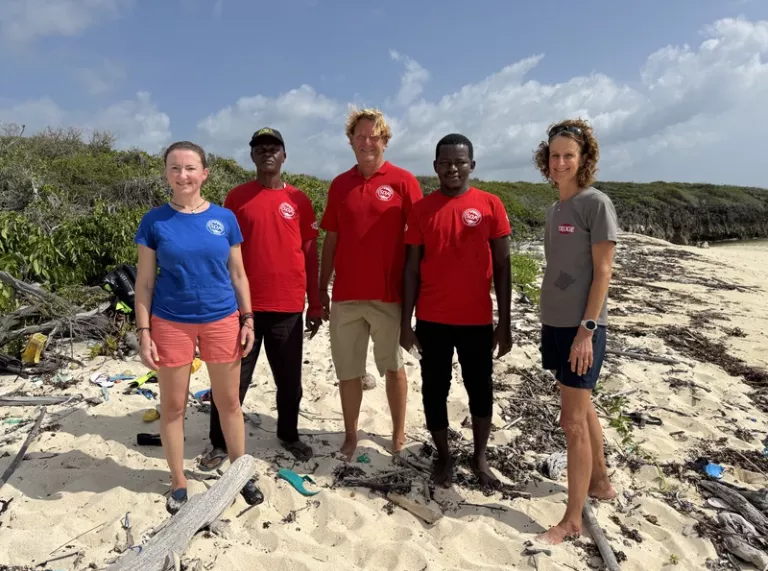
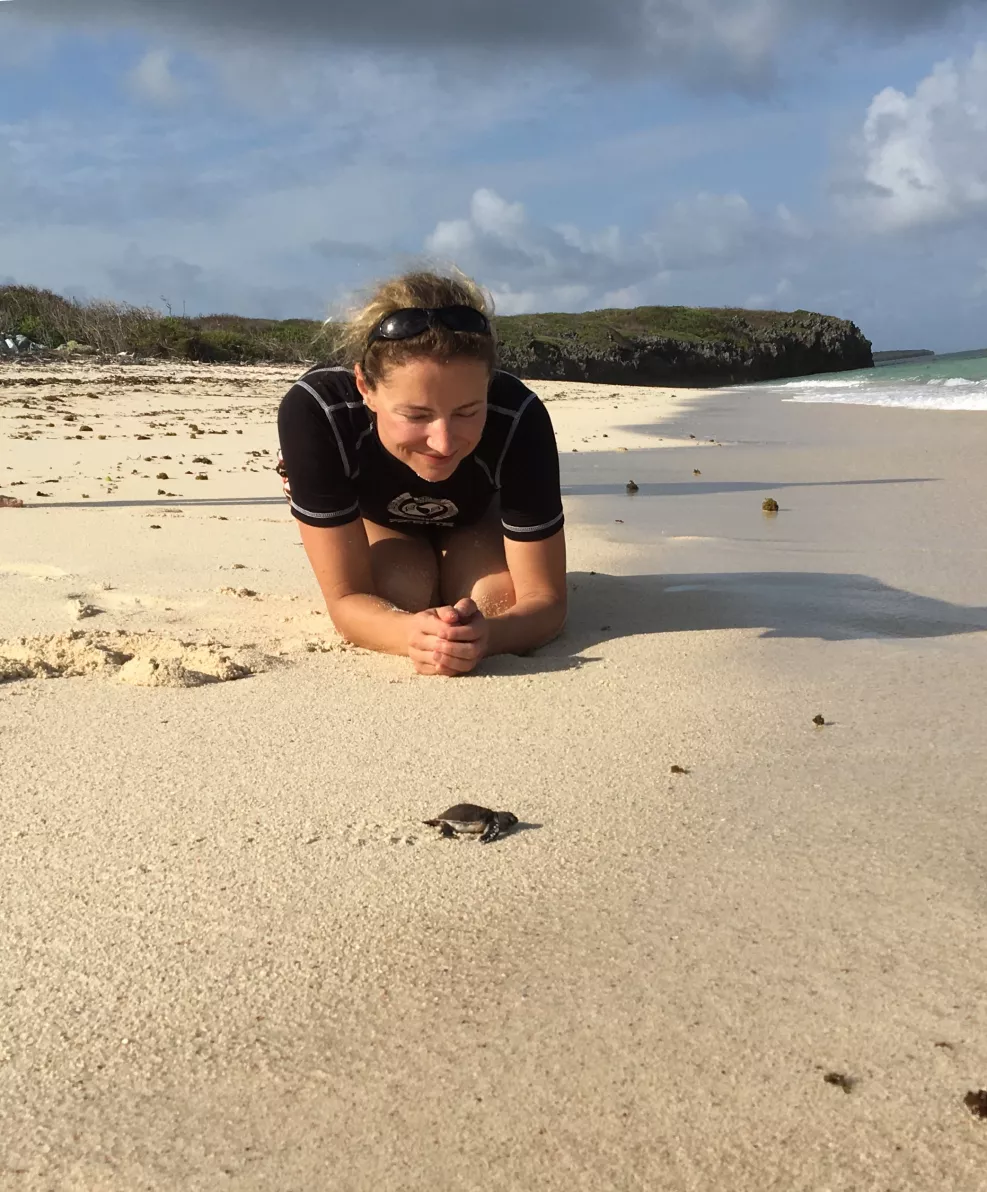
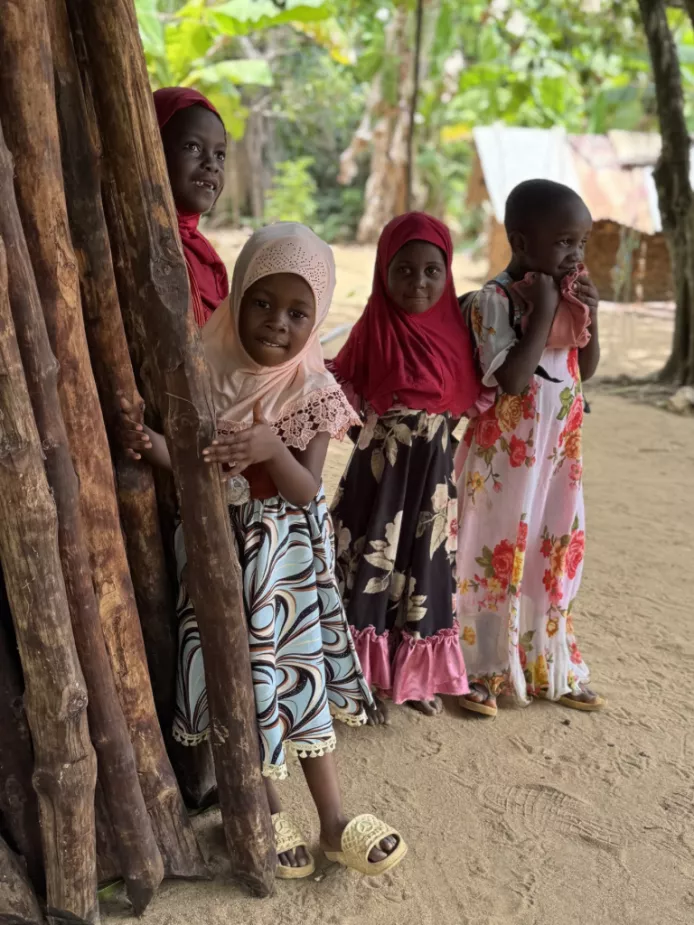
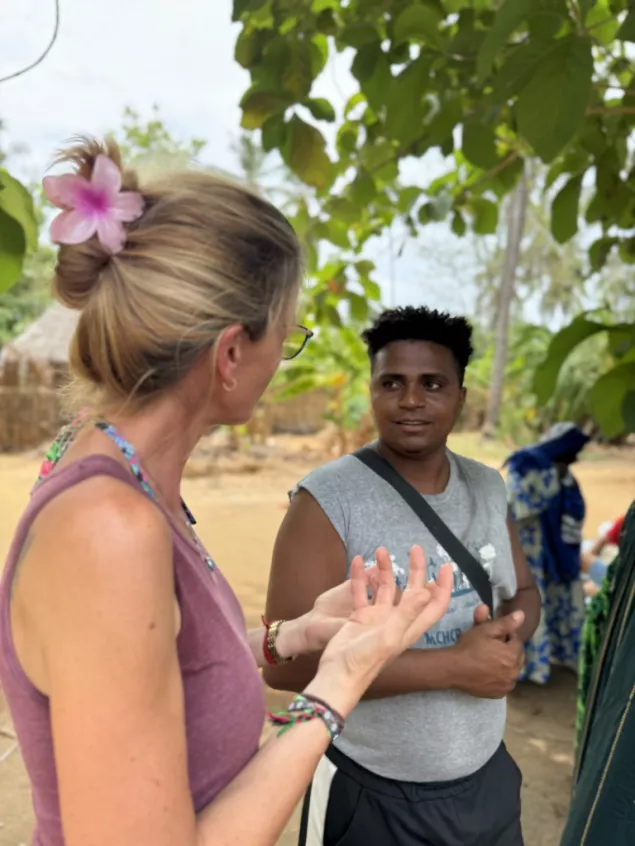
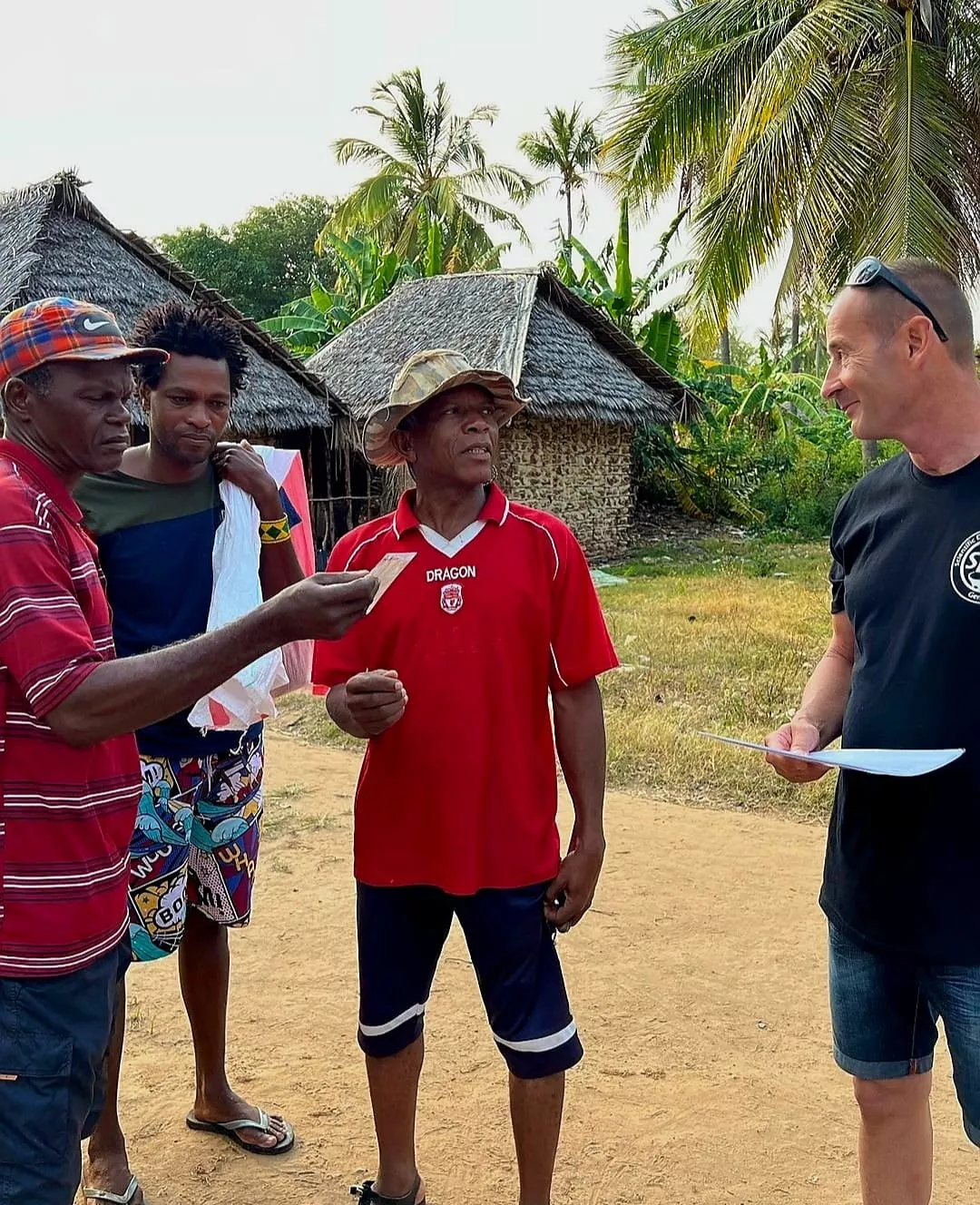
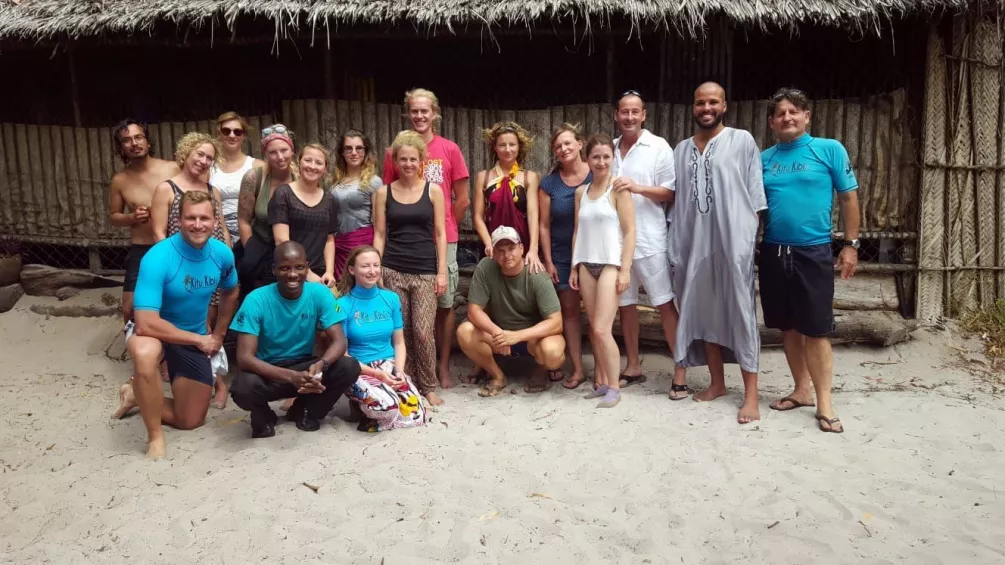
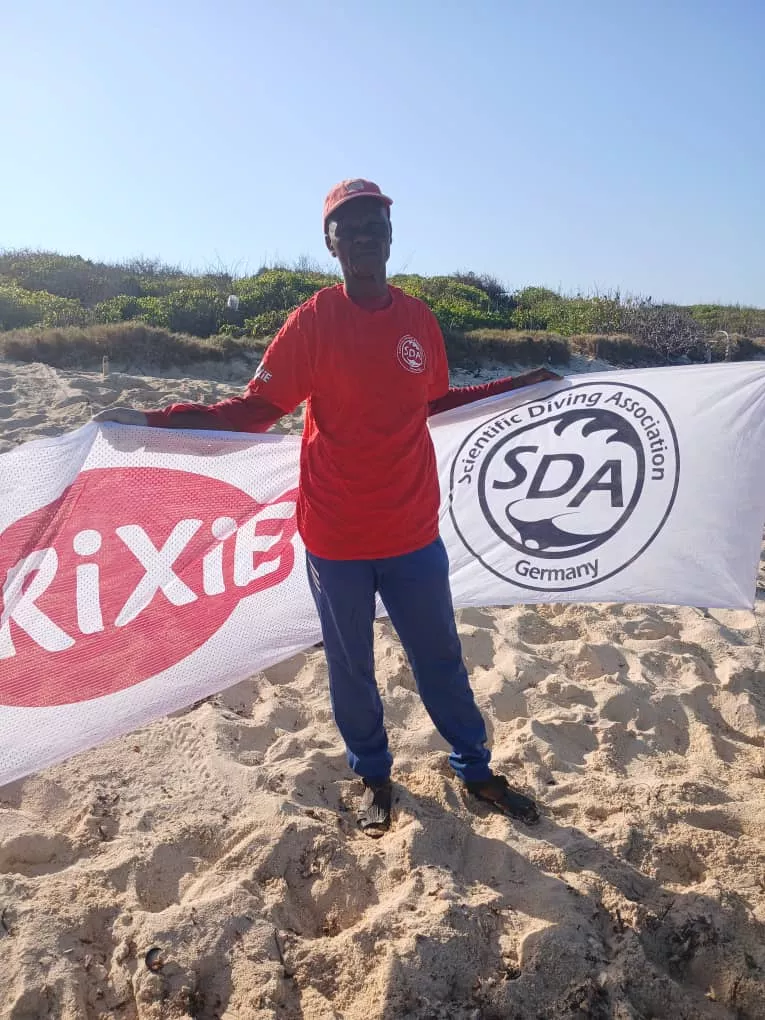
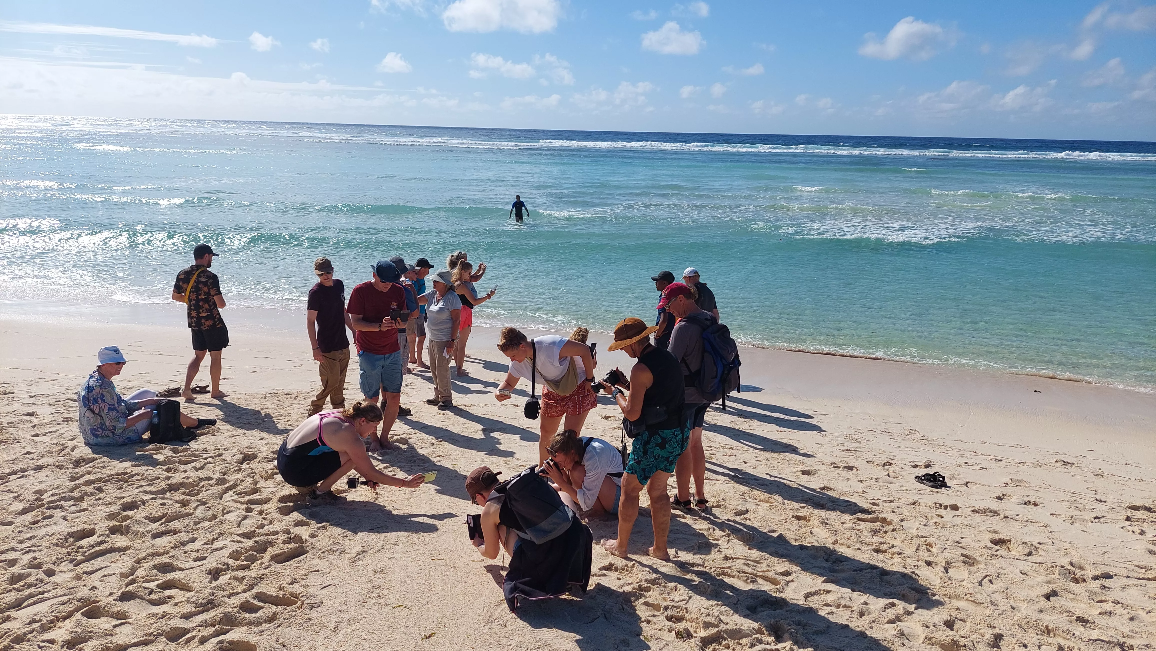
For several years, our project has been active in the Mafia Island Marine Park and is implemented in cooperation with TRIXIE as well as local partners, particularly our two local rangers. The focus is on beach clean-up activities involving families and communities, the documentation of turtle nesting activities and hatching results, as well as training sessions aimed at strengthening local capacities. Close coordination with rangers, local fishing families, and village elders accompanies the joint implementation of conservation measures.
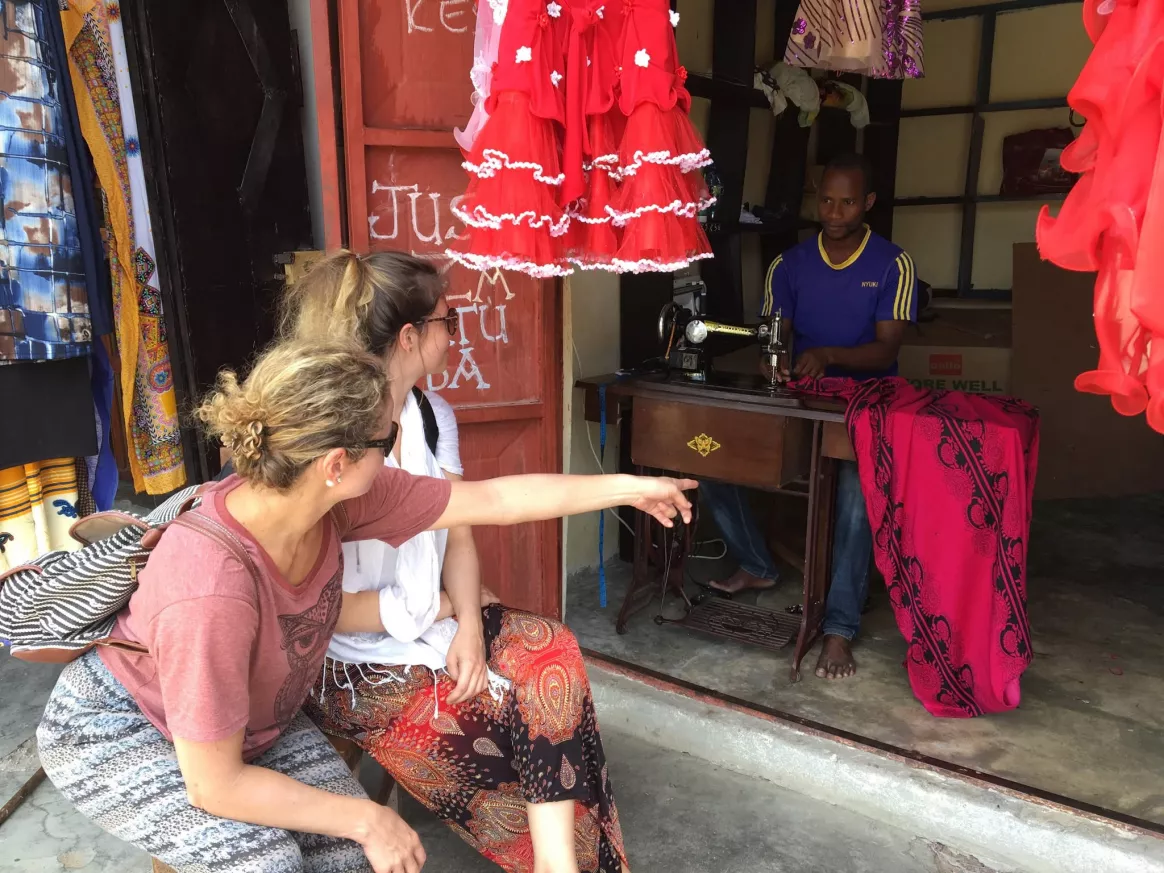
A central component of our project is the creation of local incentives for environmental protection and the improvement of living conditions for both sea turtles and the people in the region. Through the collection, sorting, and sale of plastic waste, new sources of income are created. At the same time, we promote environmental education and foster an understanding of the sustainable use of natural resources.
Funding and Partners
The project is supported by TRIXIE. This support enables the implementation of regular activities, the development of infrastructure for waste management, and the exchange of knowledge and experience with local stakeholders. In addition, we work closely with the local community and rangers in the Mafia Island Marine Park. Together, we create protection that has a tangible impact.