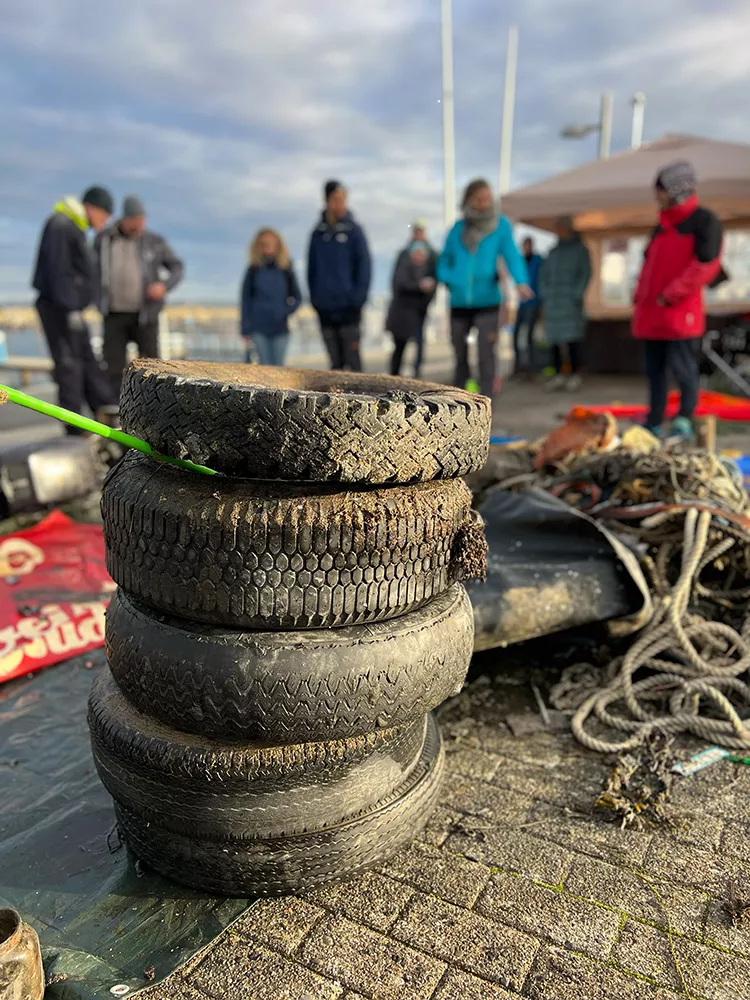
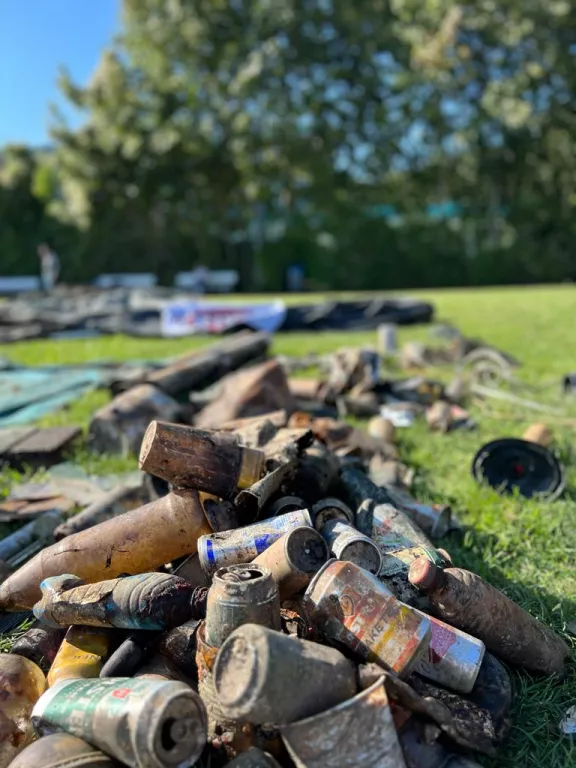
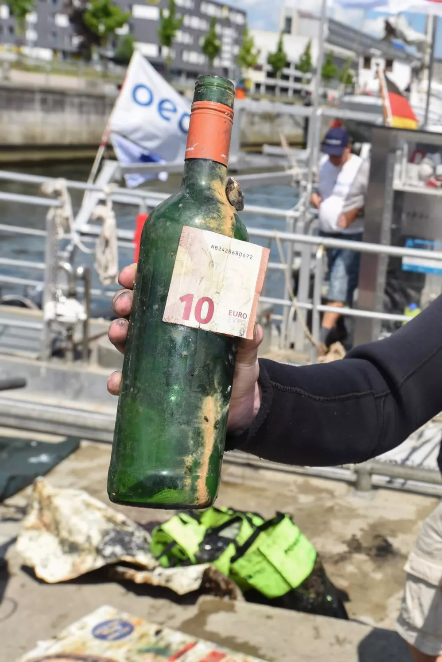
Waste and litter are among the central environmental problems of the Baltic Sea. Due to the limited water exchange with the North Sea, introduced substances remain in the system for long periods of time. Waste made of plastic, metal, or composite materials sinks, accumulates on the seabed, or is washed ashore in coastal and harbour areas.
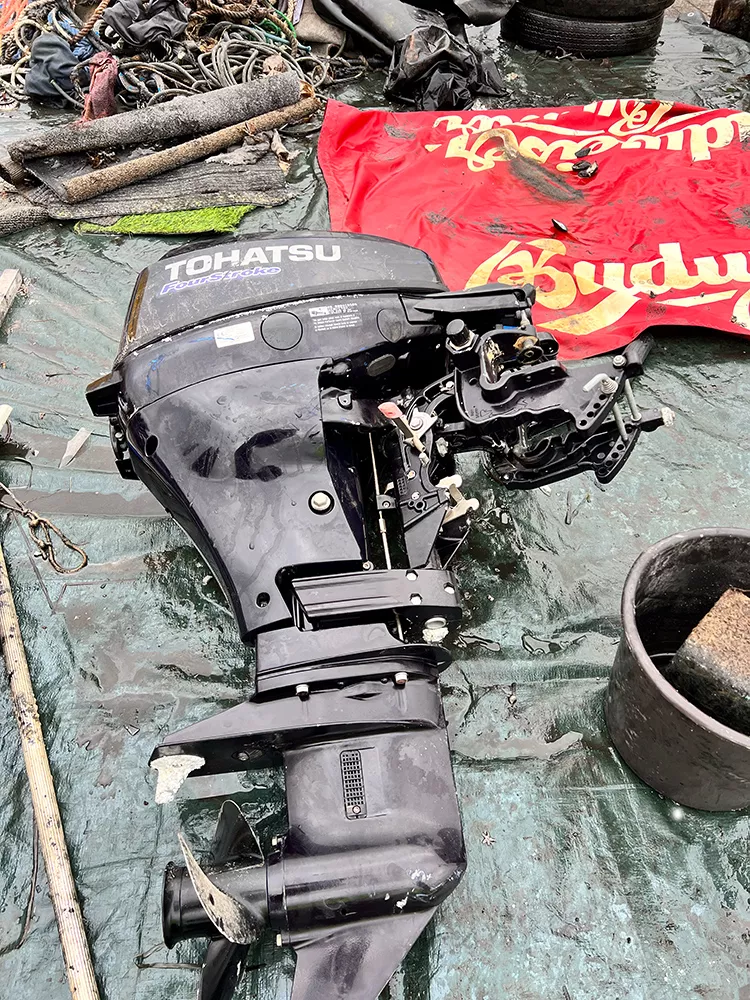
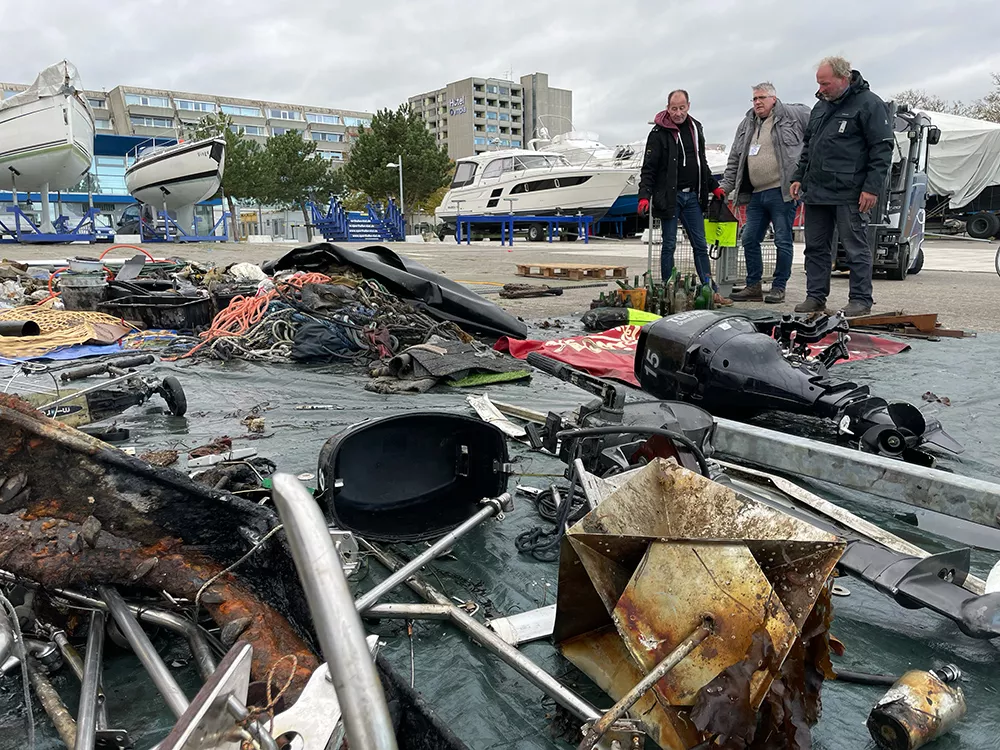
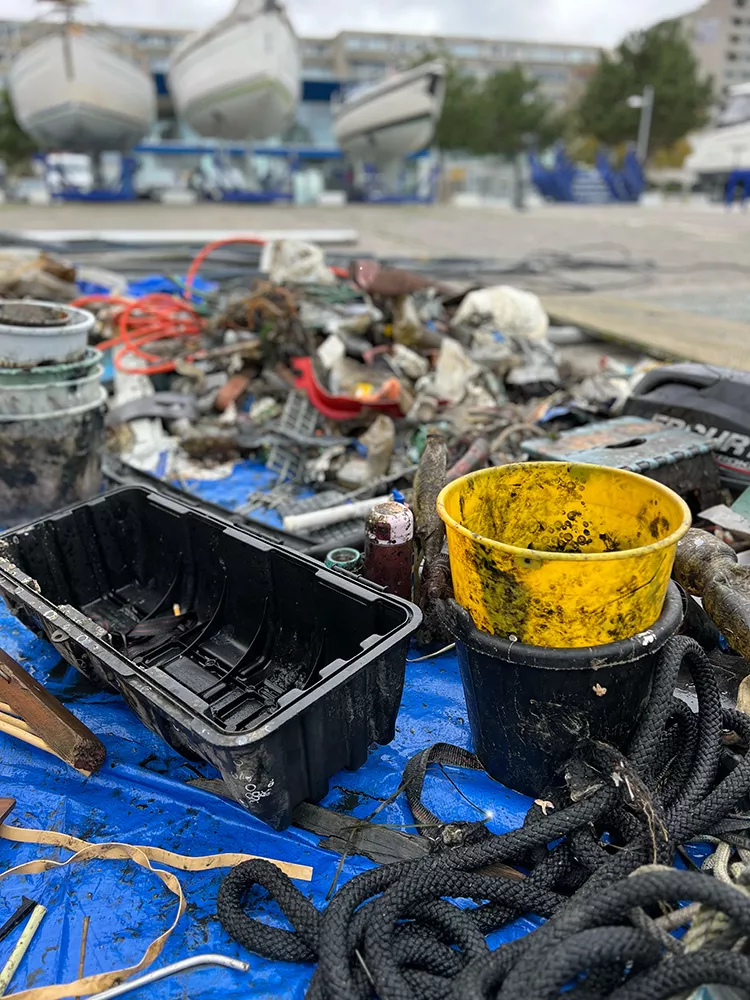
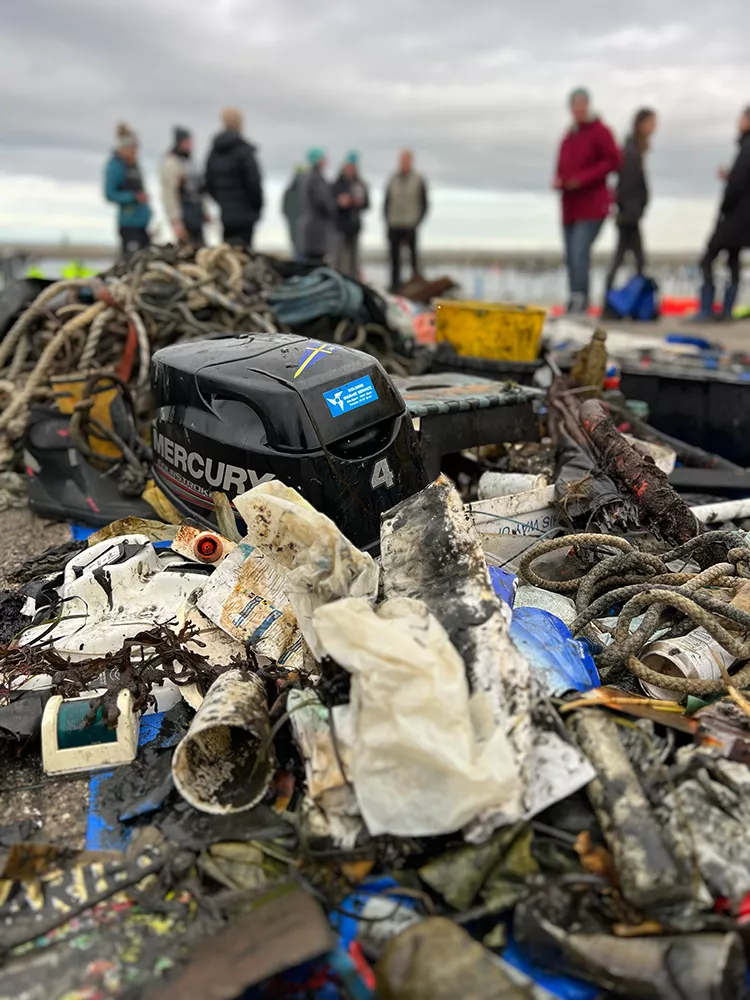
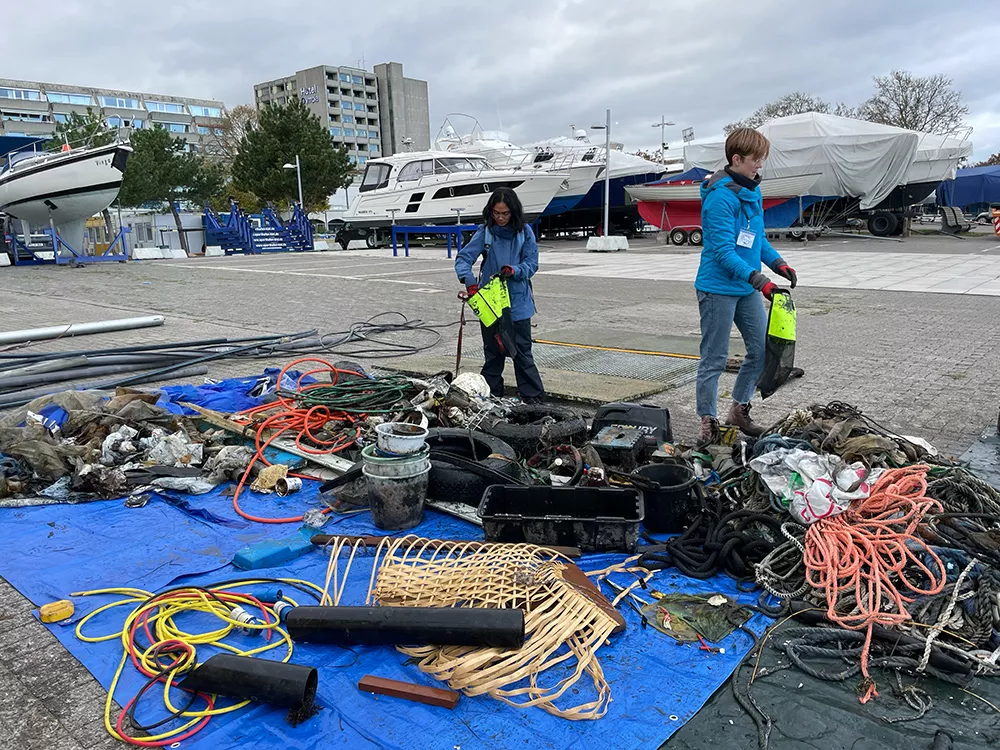
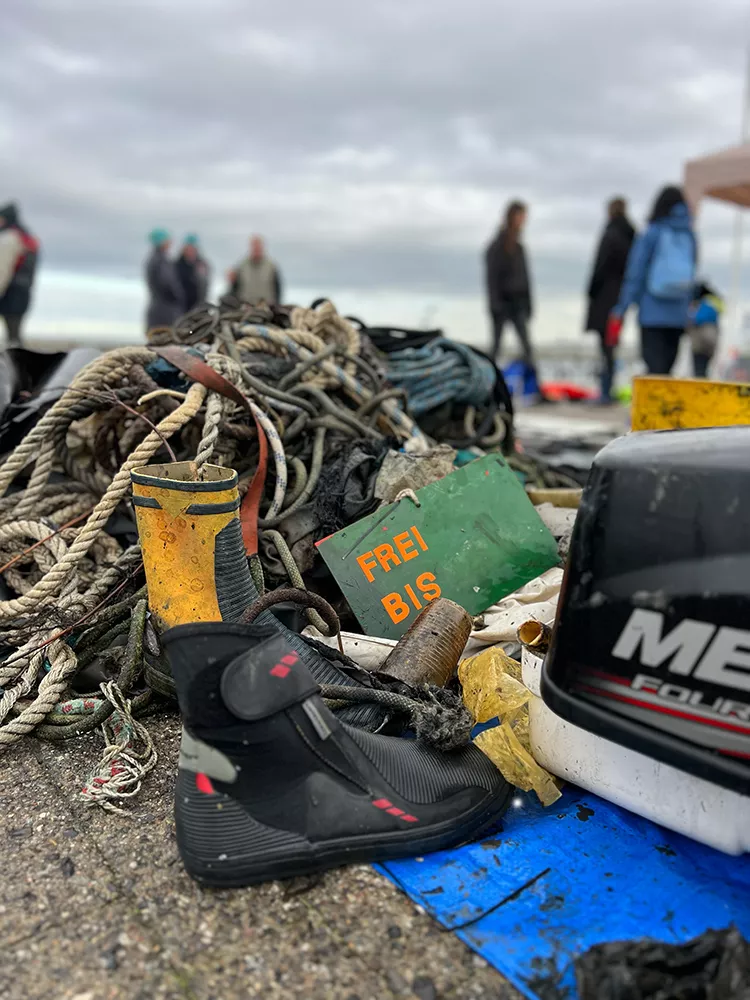
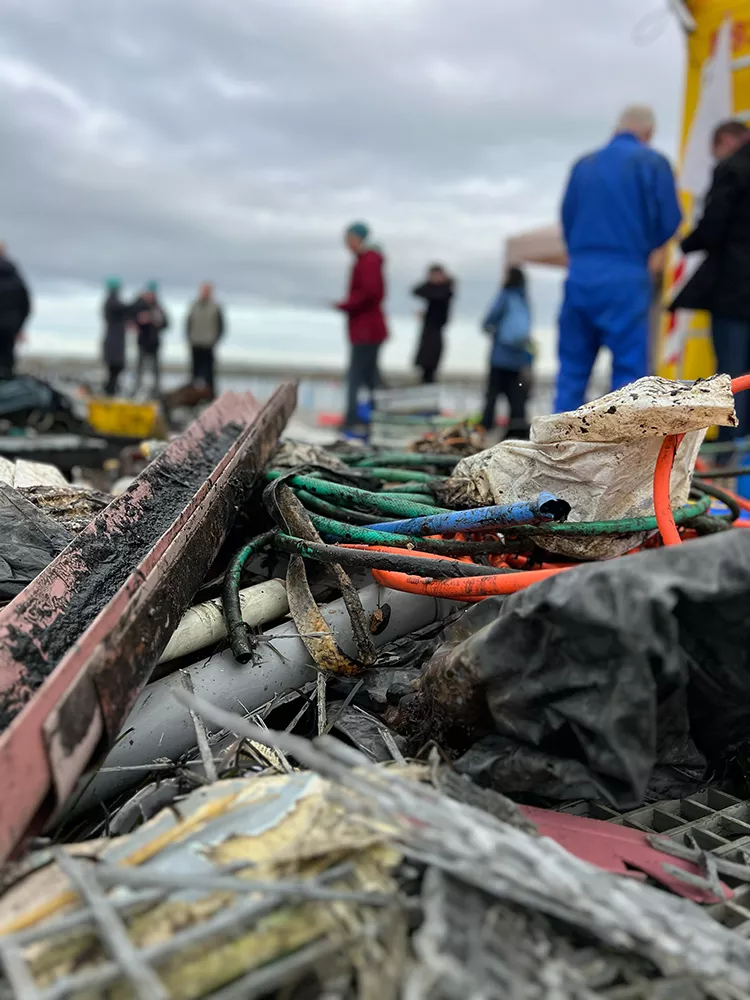
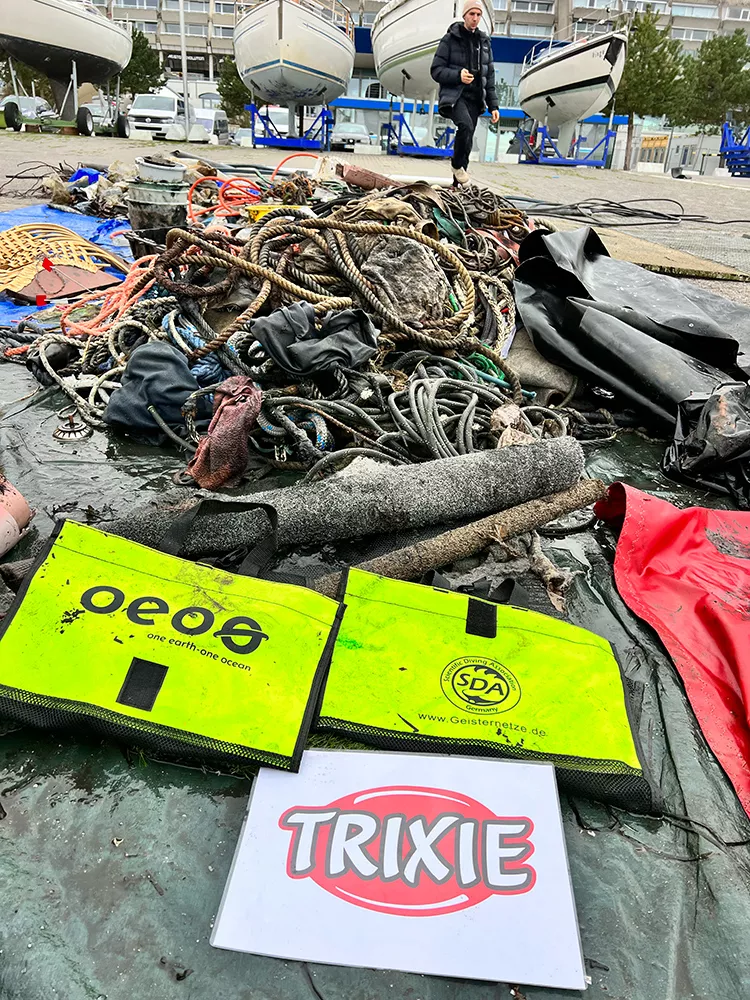
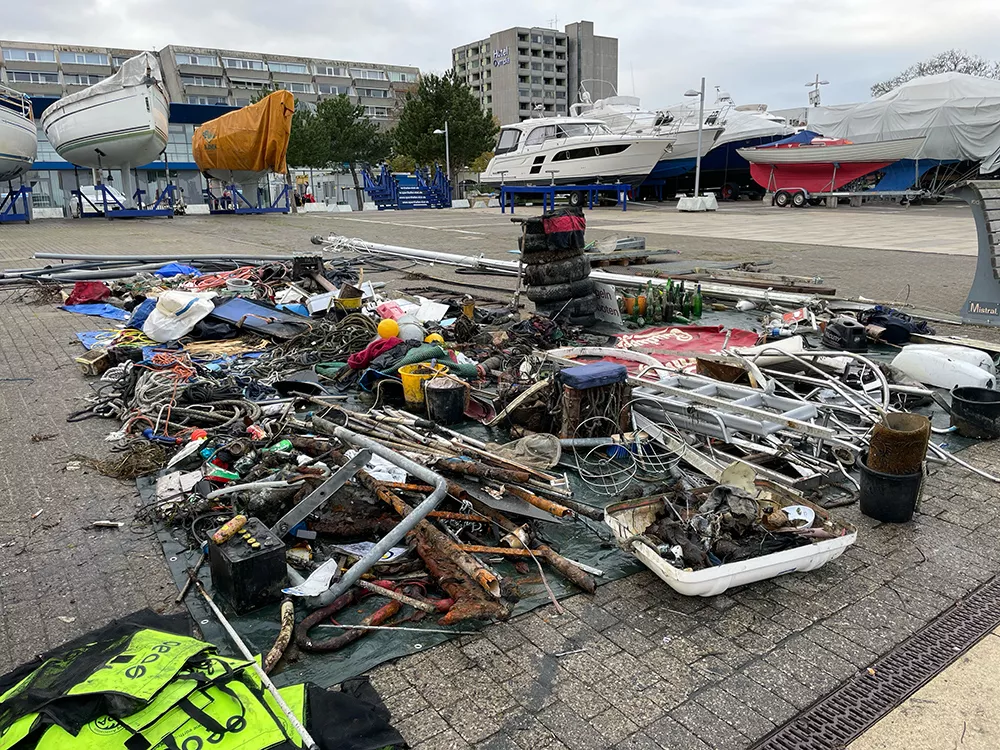
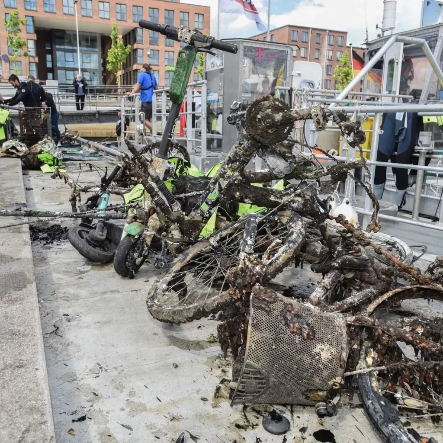
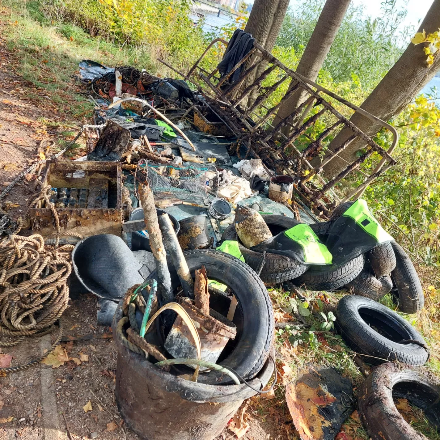
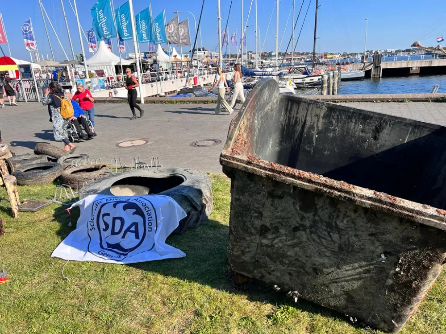
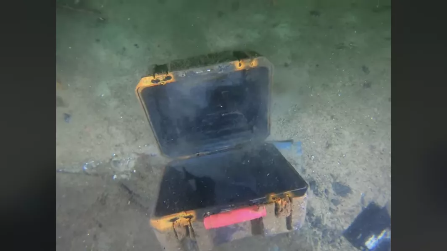
In addition to small debris, large objects are regularly found in the water, including bicycles, e-scooters, small electrical devices, or waste containers. These pose a risk to marine organisms, damage habitats, and can interfere with shipping, water sports, and diving activities.
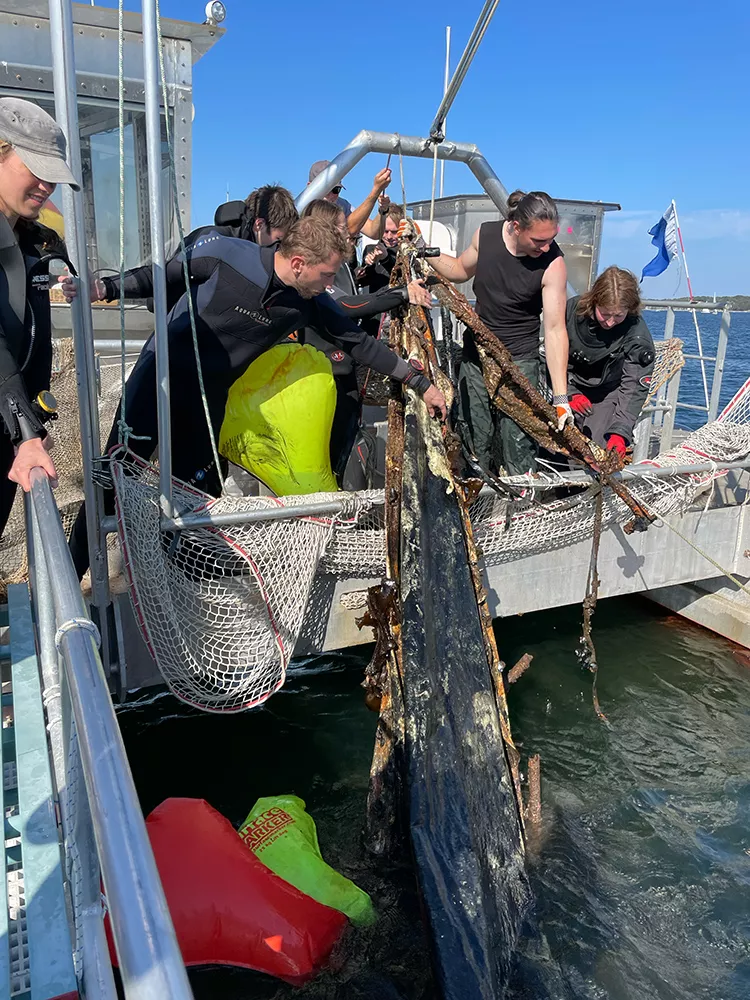
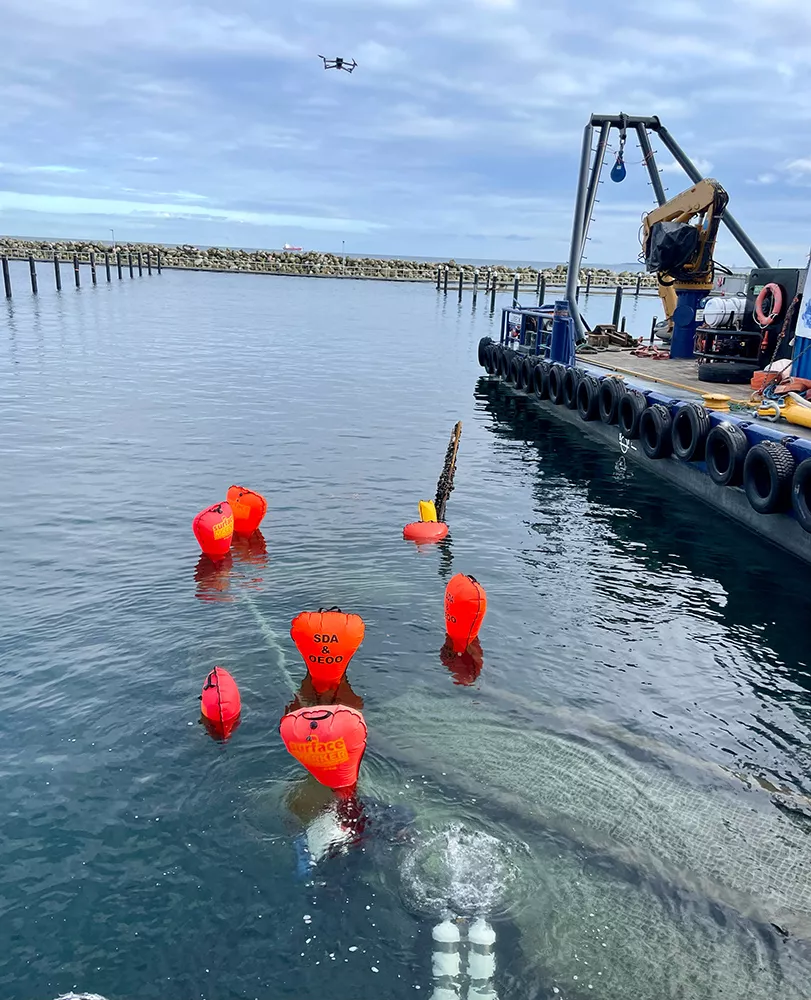
For several years, we have been carrying out regular clean-up operations in the Baltic Sea, with a focus on the Kiel Fjord. The aim is the diver-supported recovery of waste and debris from the water and the reduction of long-term environmental pollution.
Clean-ups in the Baltic Sea and the Kiel Fjord
The Kiel Fjord is a heavily used coastal area with ports, marinas, bathing areas, and water sports facilities. Accordingly, the input of waste and litter is high.
Clean-up operations are carried out both as part of planned measures and on an ad hoc basis following extreme weather events. A particular focus is placed on harbour basins, jetty structures, and nearshore areas where waste tends to accumulate.
Storm surges cause significant damage to coastal infrastructure and lead to large amounts of debris entering the water. Destroyed jetties, damaged boats, and loose equipment sink or drift freely within the fjord.
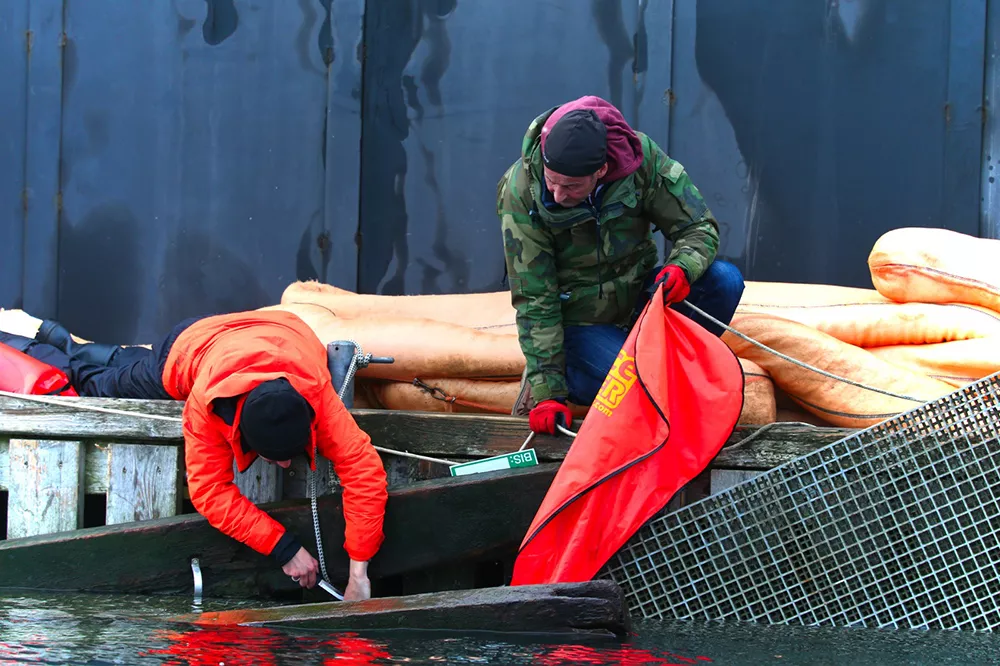
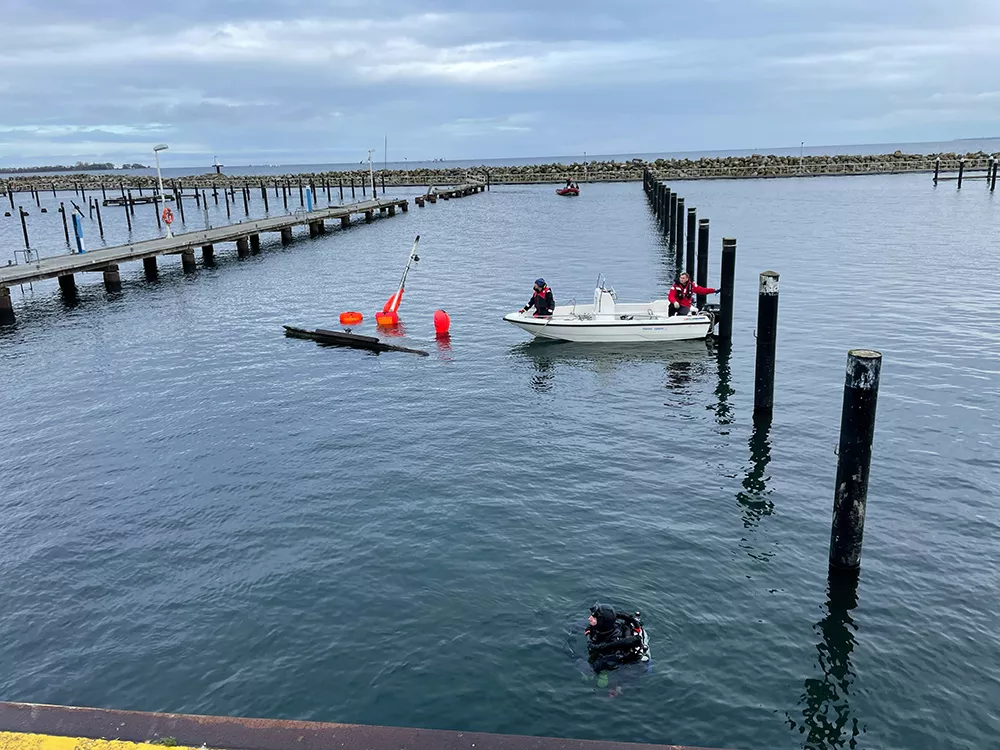
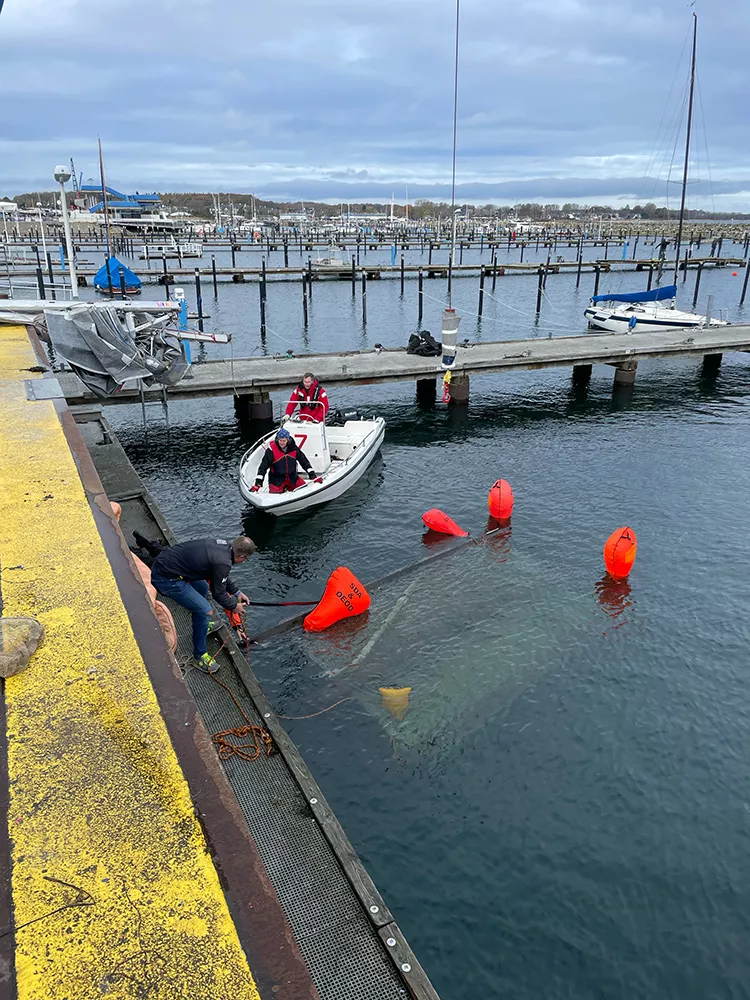
After the severe storm surge in October 2023, the Kiel Fjord also suffered extensive damage. Numerous yachts sank, jetty structures were destroyed, and large quantities of debris and equipment entered the water.
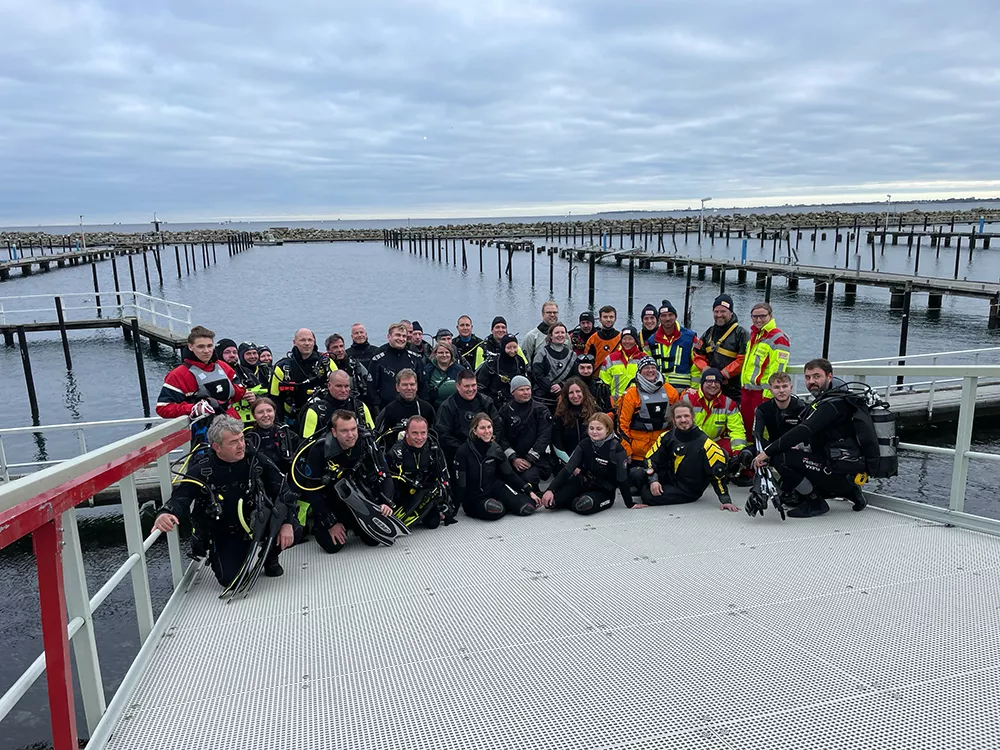
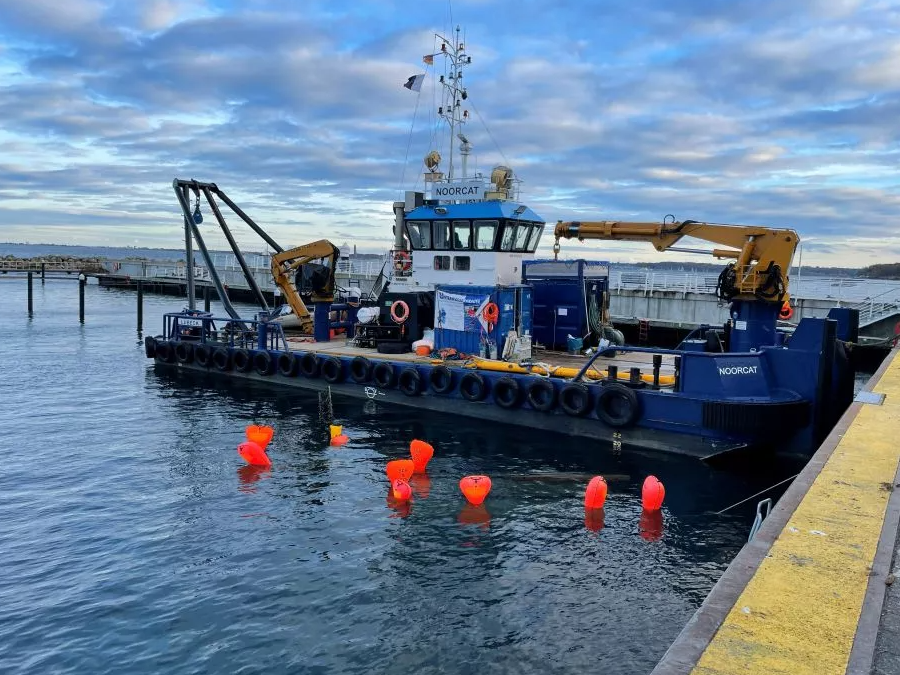
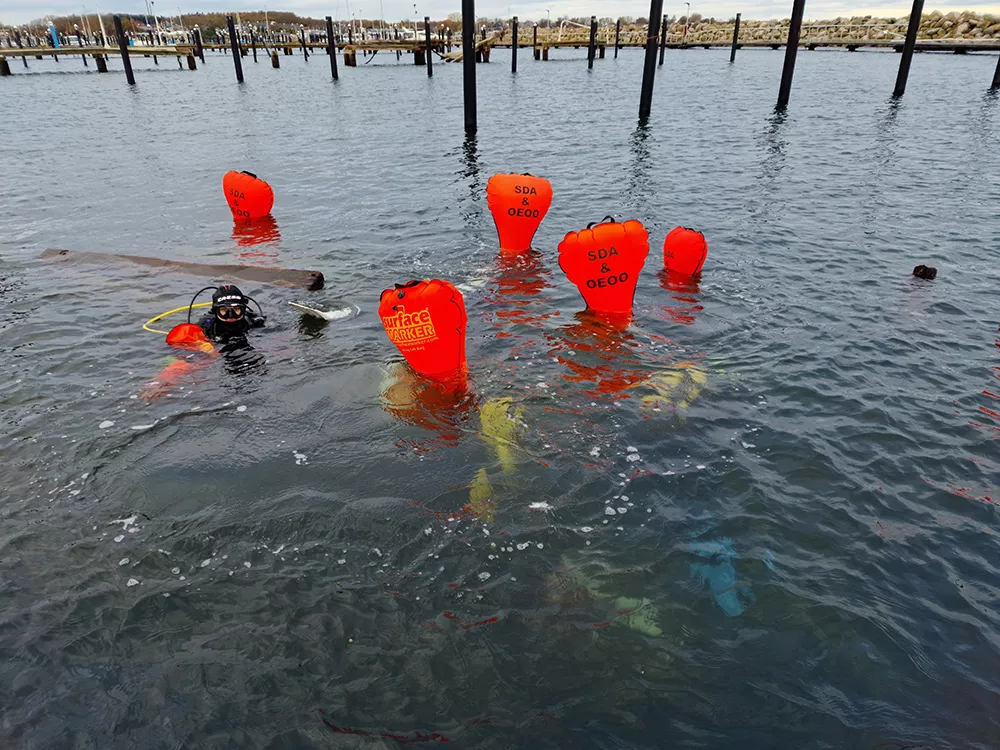
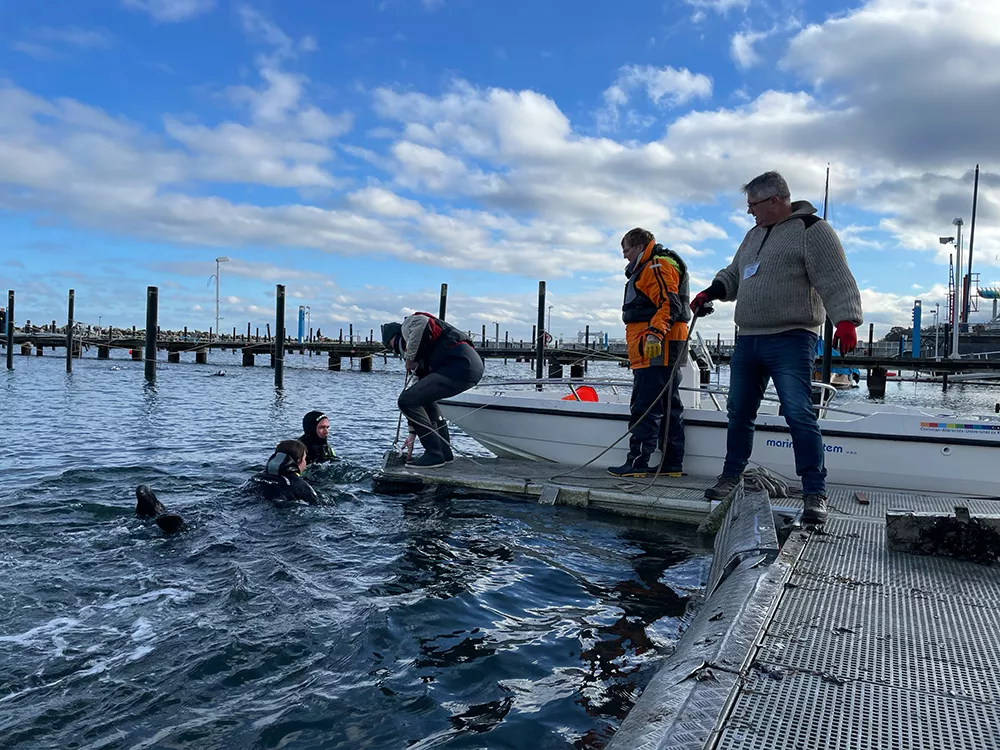
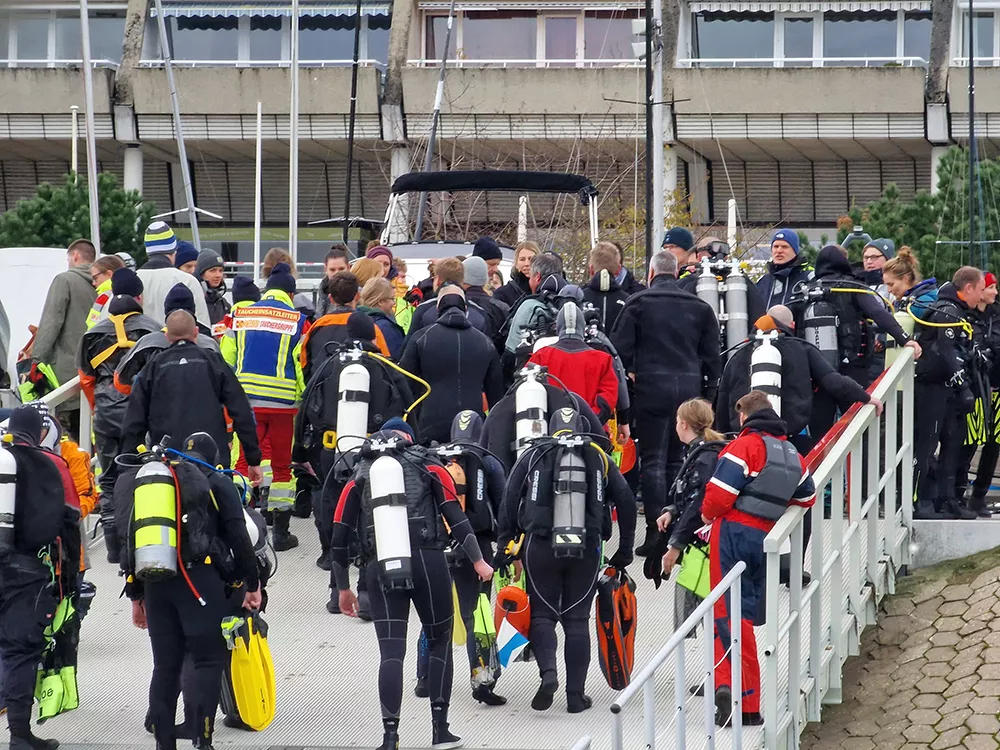
On 4 and 5 November 2023, the SDA took part in a clean-up operation in Schilksee. The operation was carried out together with DLRG, ASB, Mission Förde, and the Tauchjunkies. The aim was to recover waste and hazardous objects in order to reduce environmental pollution and minimise risks to people and infrastructure.
Microplastics
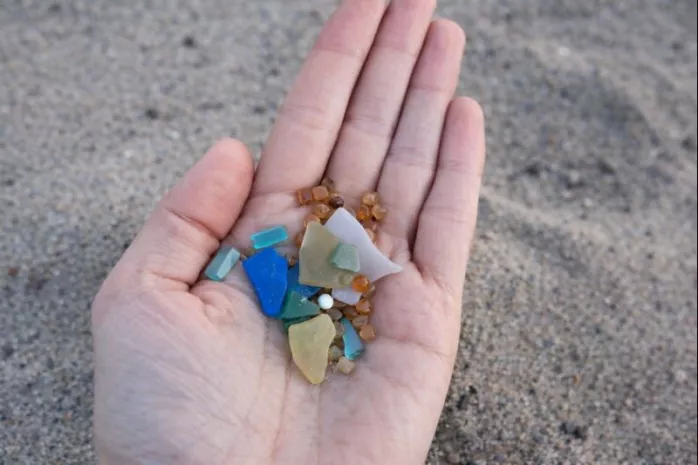
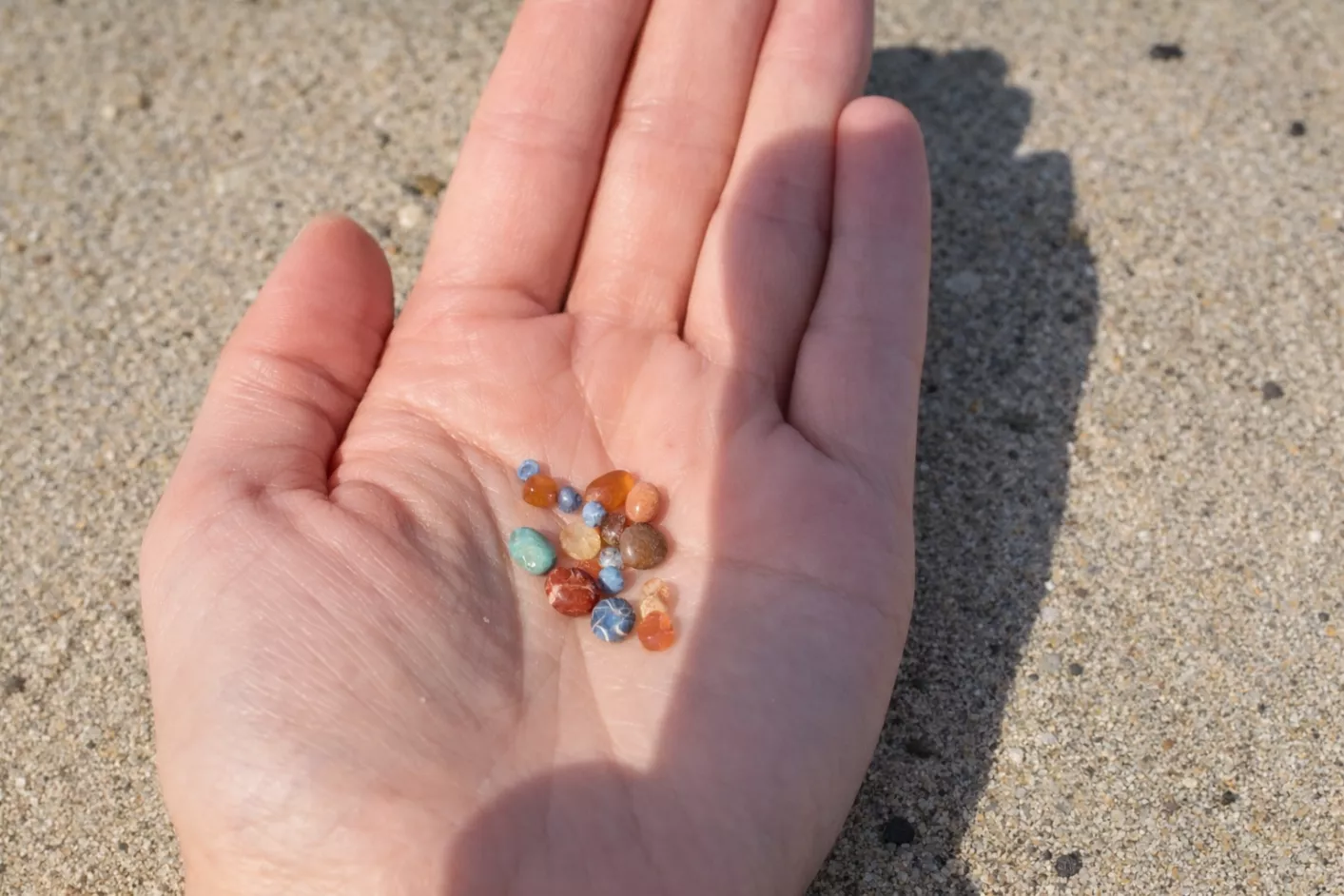
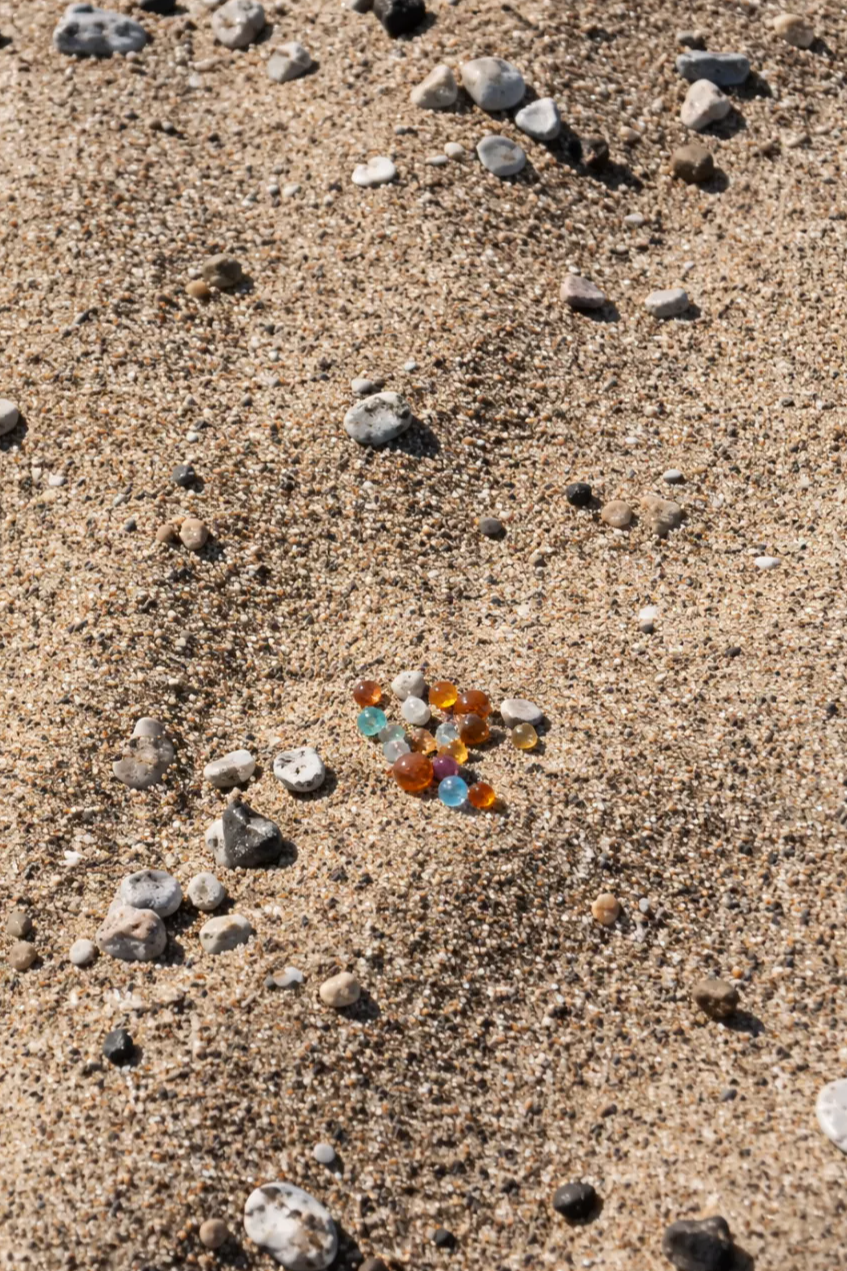
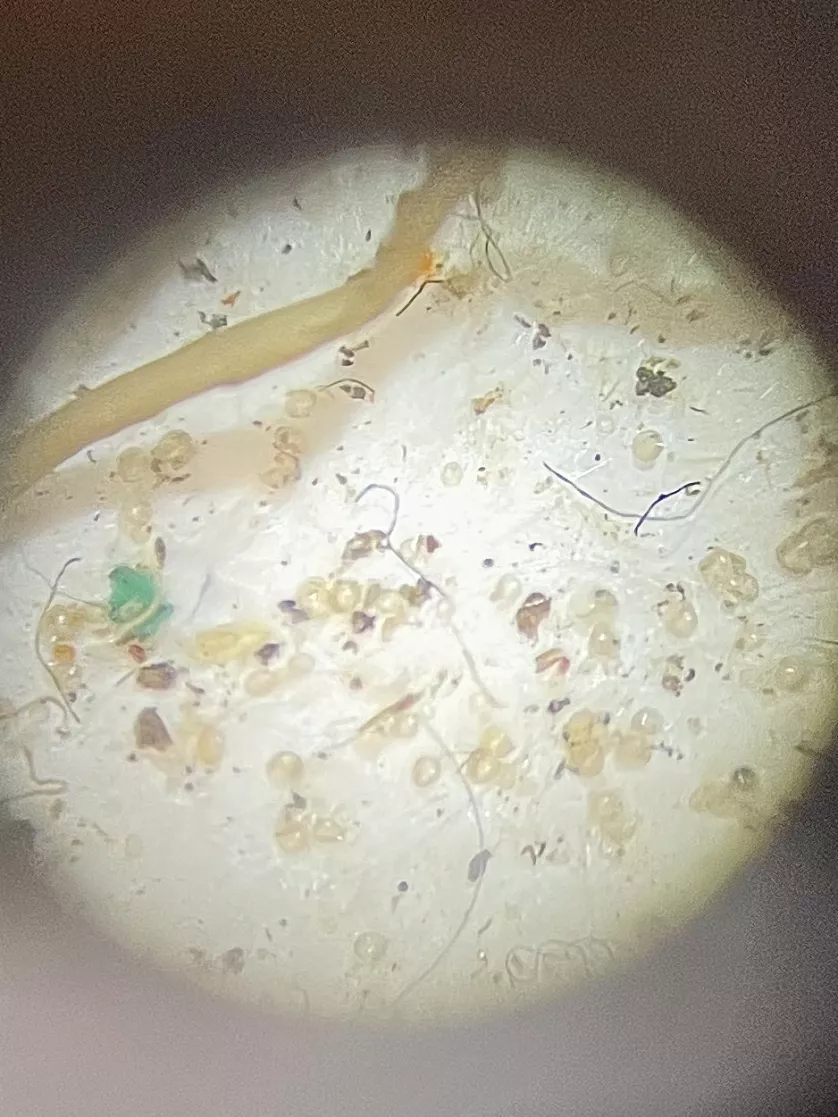
A significant part of the pollution affecting the Baltic Sea is caused by microplastics. These are plastic particles that result from the breakdown of larger plastic items.
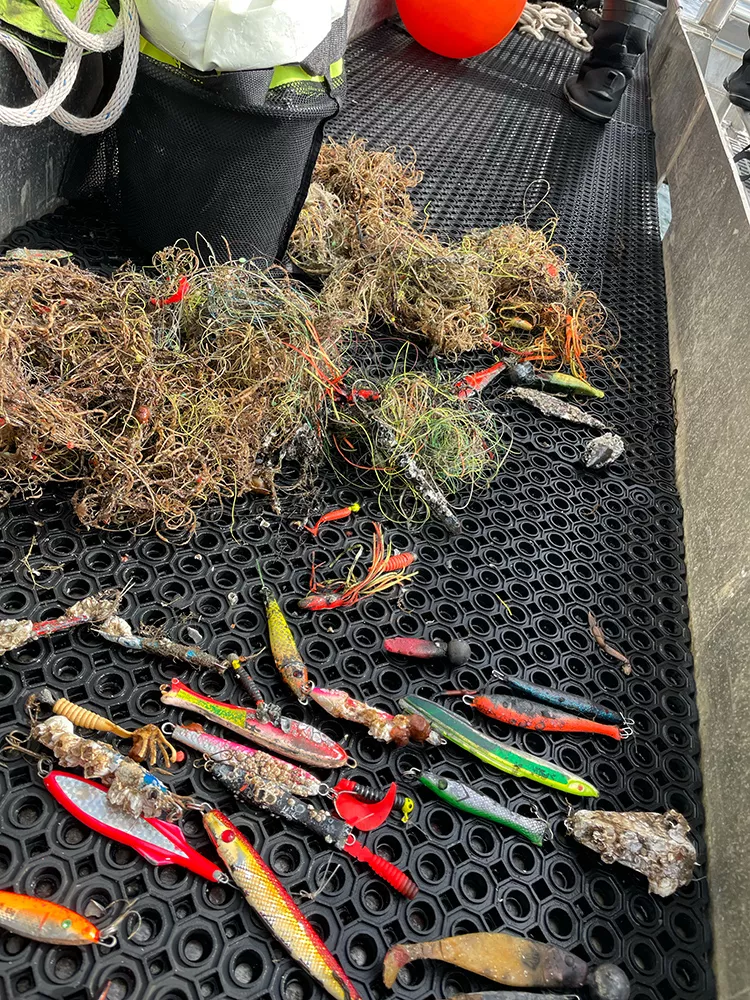
Larger debris also contributes to microplastic pollution over the long term. Plastics degrade into ever smaller fragments due to mechanical stress, UV radiation, and ageing. Plastics originating from shipping and fisheries are particularly relevant in this context.
Ghost nets play an important role in this process. They are made of durable plastics and contribute significantly to microplastic pollution through abrasion and ageing.
By removing waste and debris as part of clean-up operations, not only immediate hazards are eliminated, but the future input of microplastics is also reduced.
Get involved
The clean-up activities are carried out in cooperation with other organisations, associations and volunteers.
Anyone interested can contact the Scientific Diving Association e.V. at info@sda-kiel.de