Underwater archaeological investigations of a medieval epidemic site
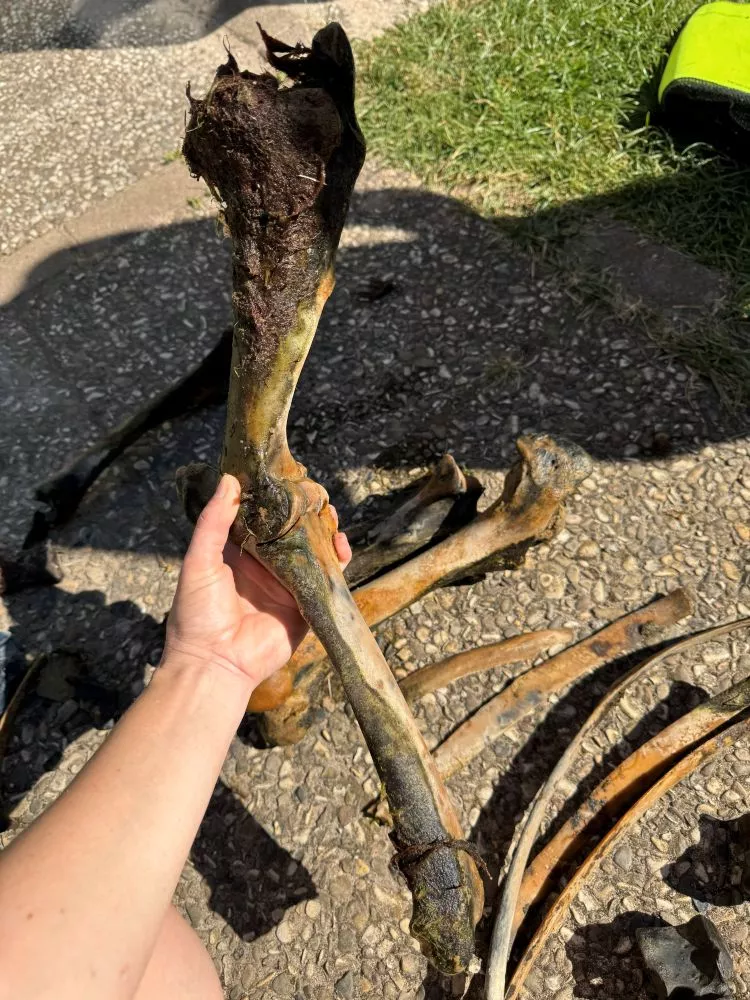
What initially appeared to be isolated, random bone finds in the shallow waters off Heiligenhafen turned out, upon closer examination, to be one of the most extraordinary underwater archaeological projects in which the Scientific Diving Association e.V. Kiel has been involved. Within a confined area, human and animal skeletons were discovered in a density and state of preservation that is extremely rare for the medieval period, a silent testimony to one of the greatest catastrophes in European history.
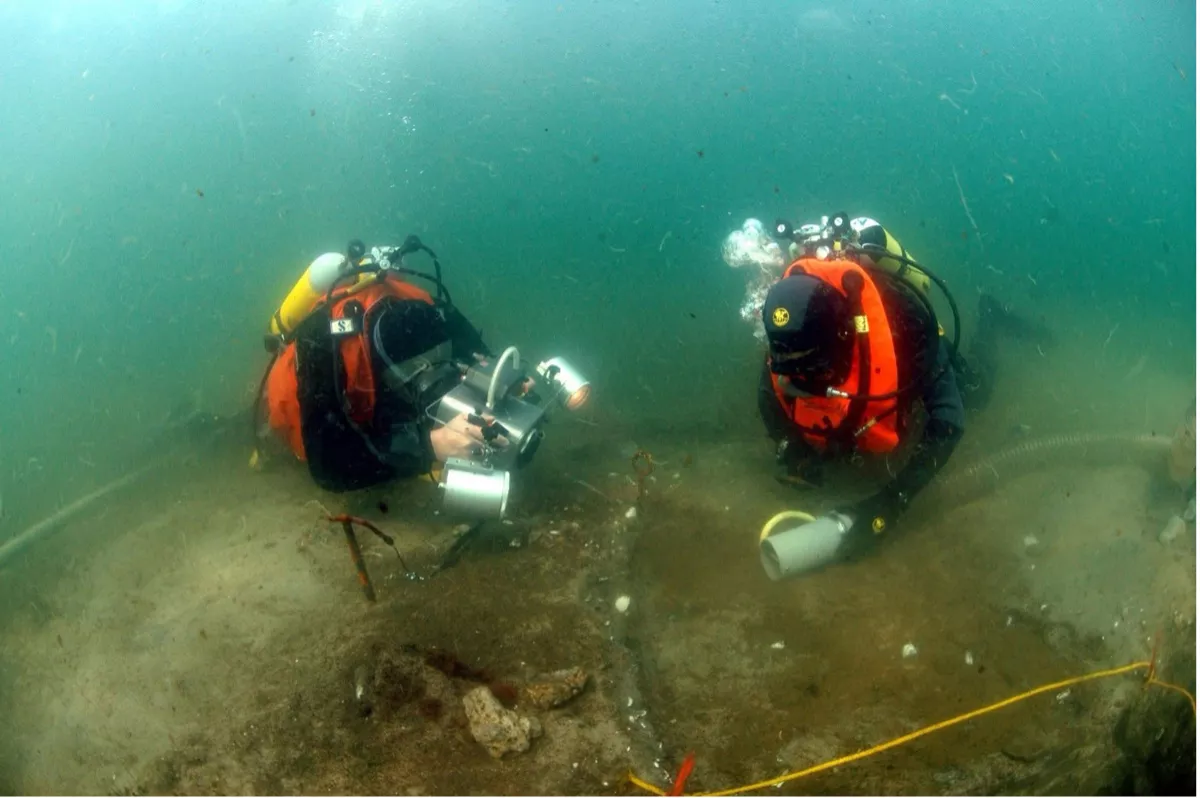
On behalf of the Archaeological State Office of Schleswig-Holstein, the SDA Kiel carried out the diving investigations at this sensitive site. The aim was to systematically review indications from previous decades, secure the site, and provide data for archaeological evaluation. The two-week trial excavation developed into a large-scale project that went far beyond a simple inventory and provided new insights into how epidemics, death, and animal husbandry were handled in the 14th century.
History of the discovery and reason for the investigations
Initial bone finds of humans and animals were discovered in the late 1970s in a moor area west of Heiligenhafen. The finds were only partially documented and interpreted in different ways, but were not conclusively investigated and subsequently fell into obscurity.
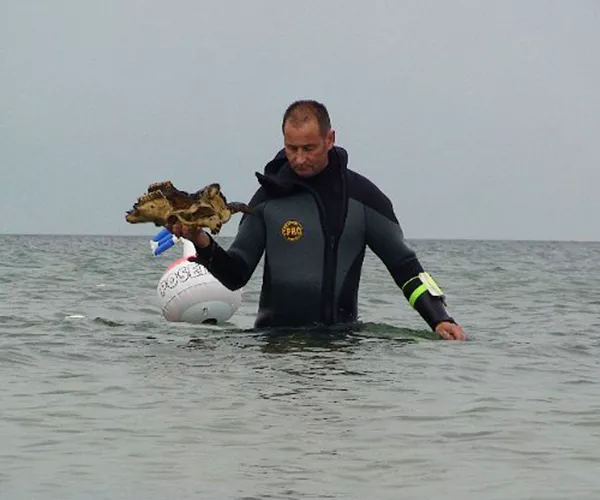
Due to coastal shifts and erosion, bones were once again exposed in 2011 in the shallow waters of the Baltic Sea, leading to a renewed assessment of the site by the Archaeological State Office of Schleswig-Holstein and to the commissioning of the Scientific Diving Association e.V. Kiel to conduct a diving investigation.
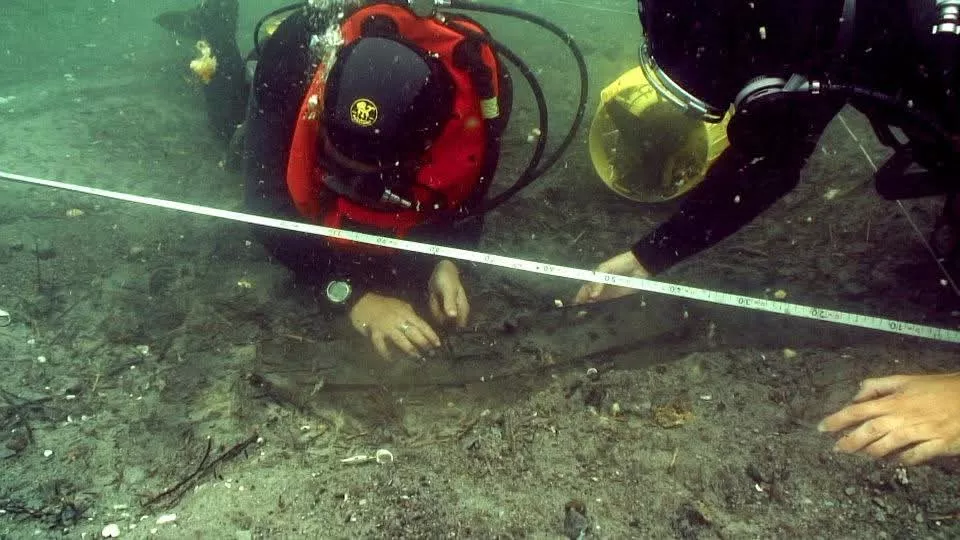
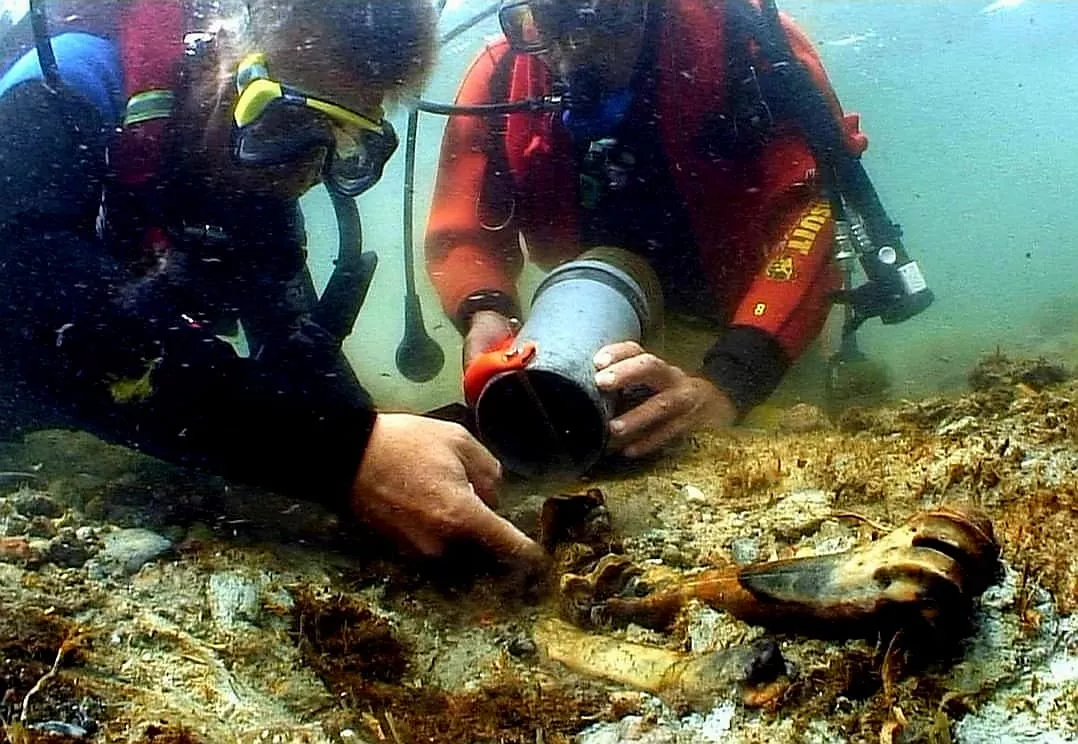
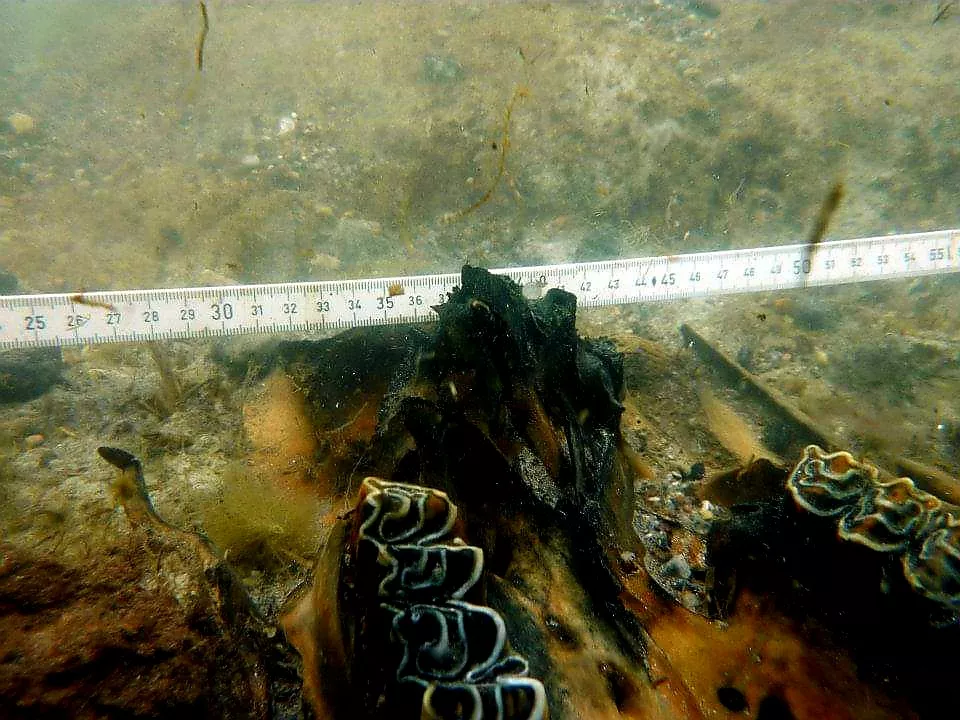
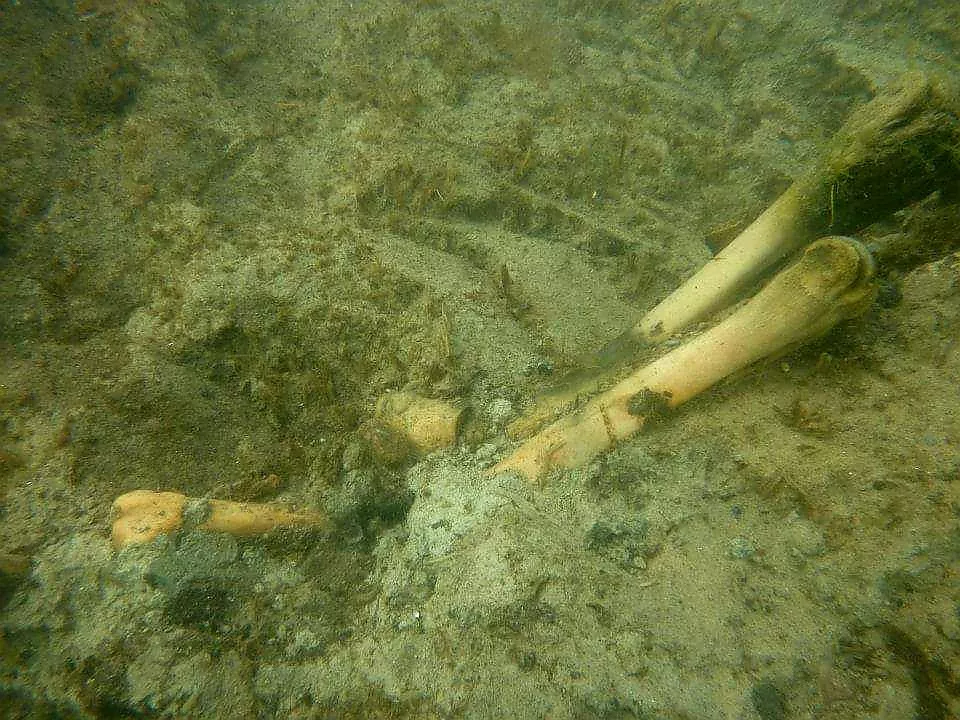
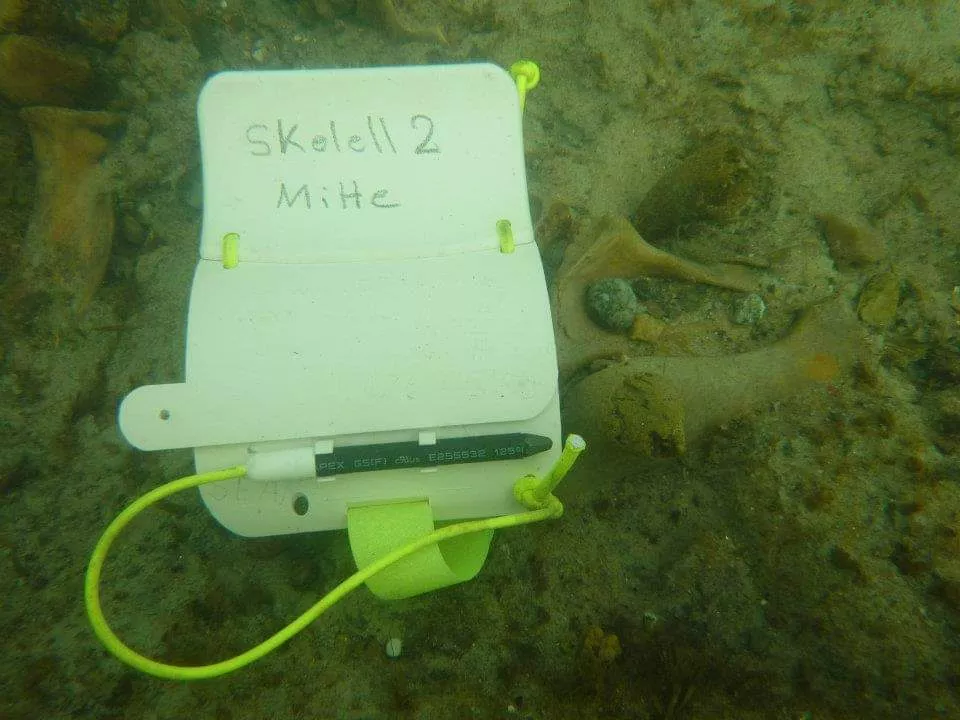
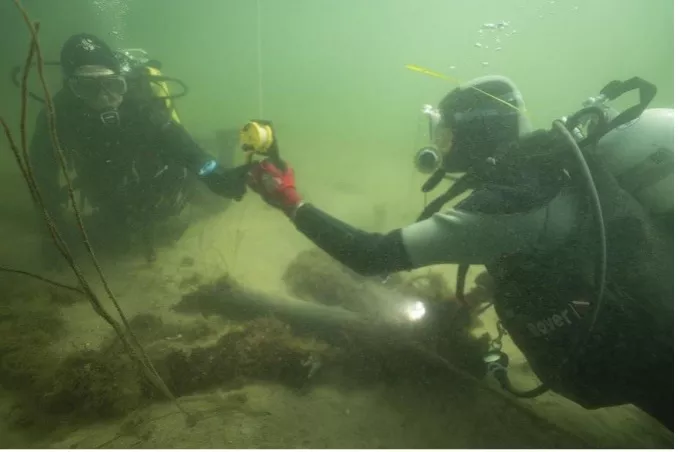
During the two-week trial excavation, the SDA Kiel was responsible for recording, uncovering, and securing the bone finds. From the outset, the work revealed an extensive site with densely deposited human and animal skeletons, in some cases lying on top of one another.
The trial excavation thus developed into an extensive project that for the first time established a reliable basis for the later historical classification of the site as a presumed plague burial site of the 14th century.
Results of the trial excavation and historical classification
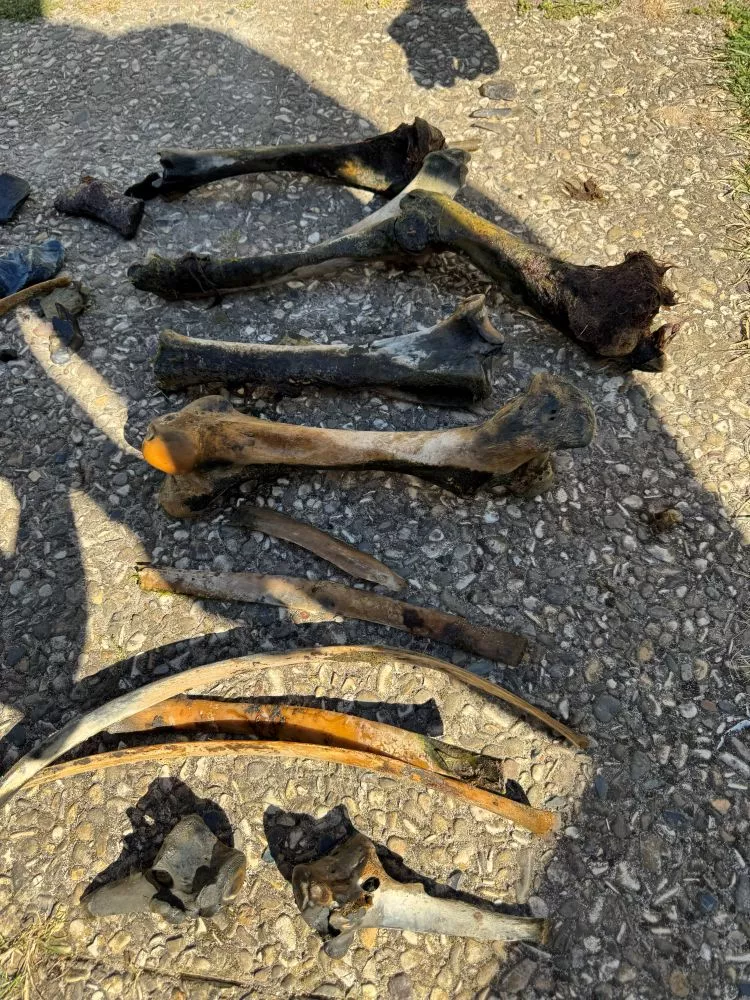
The recovered bones date to the mid-14th century, specifically to the period between 1348 and 1350. This timeframe coincides with the first outbreak of the plague in Schleswig-Holstein. In addition to human remains, a large number of animal skeletons were found, including horses, cattle, sheep, and pigs. Among them, nine horse skeletons and eight cattle skeletons were documented.
The striking density and wide distribution of the skeletons, in some cases lying on top of one another, argue against isolated events such as accidents or flooding. An interpretation as a ritual burial site is also considered unlikely based on current research. Rather, the composition of the finds points to a mass event.
The simultaneous presence of numerous farm animals speaks against the occurrence of an animal epidemic. It is more likely that, due to the depopulation of entire settlements, the animals could no longer be cared for and either died in the stables or were killed as part of epidemic control measures. According to medieval concepts of disease, “bad air” was considered the cause of the plague. The deceased were therefore often placed outside settlements. The pond documented at this location likely served as a disposal site for human and animal corpses. This explains the present-day wide distribution and the partially overlapping layering of the skeletons.
Significance of the Finds
From an archaeological perspective, the finds represent a rare stroke of luck. Medieval animal skeletons are usually available to research only in fragmented form and mostly as butchery waste. In Heiligenhafen, however, largely complete skeletons were recovered, allowing valuable conclusions to be drawn about animal husbandry, size, use, and living conditions in the 14th century.
The investigation covered an area of approximately ten square metres. In the upper sediment layers, the bones were easily accessible, while underlying marl and chalk layers made recovery more difficult. The finds were secured and handed over to the responsible department for archaeozoology at the Archaeological State Office for further analysis.
Implementation and Public Outreach
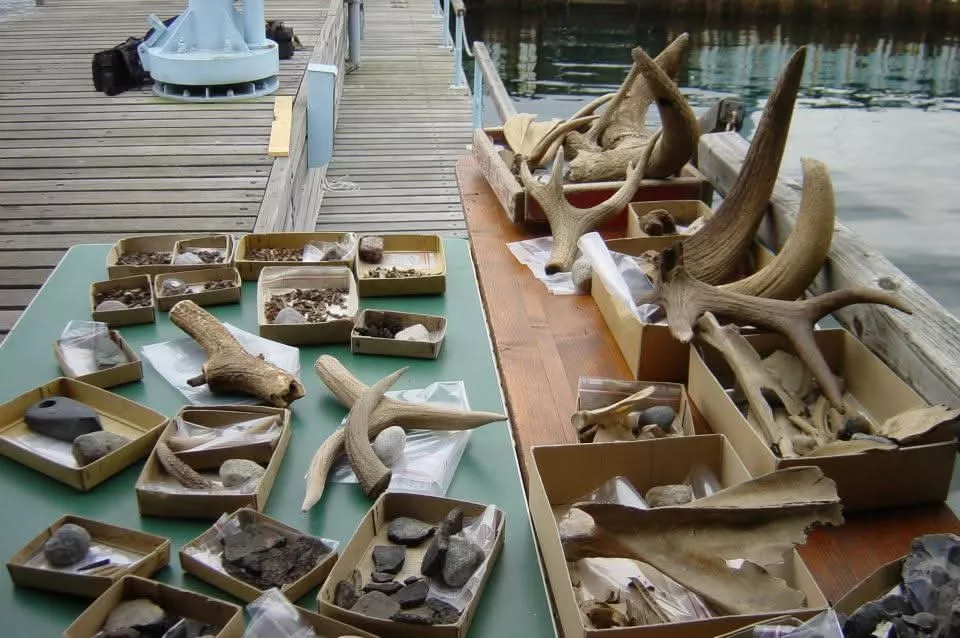
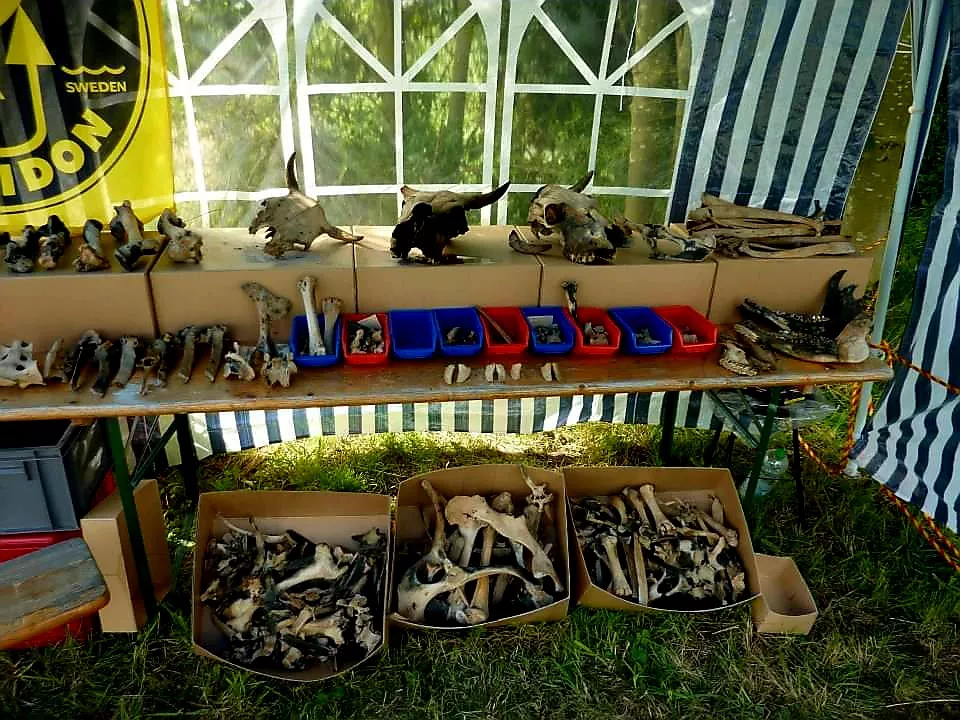
The work was carried out by a team of research divers, underwater filmmakers, and supporting personnel on land. During the excavation phase, interested members of the public were informed about the work on site. Artefacts recovered in the 1970s were displayed and explained in a tent. The duration of the excavation depended heavily on weather conditions, particularly wave action and visibility.
An Exceptional Project
The project was one of the most extensive and significant archaeological undertakings of the SDA. It combines underwater archaeology, historical epidemic research, and environmental history and continues to provide valuable insights into the handling of disease, death, and animal husbandry in the Middle Ages.
Although the large-scale scientific evaluation has now been completed, the site remains an impressive testimony to past events and an example of the importance of volunteer-supported archaeological research in coastal and underwater environments.