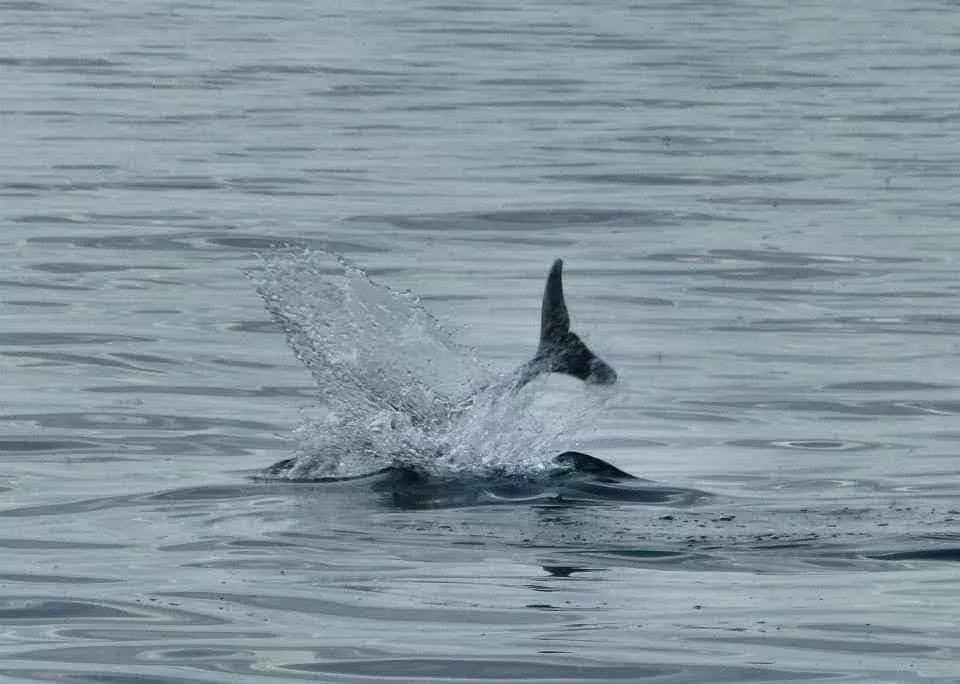
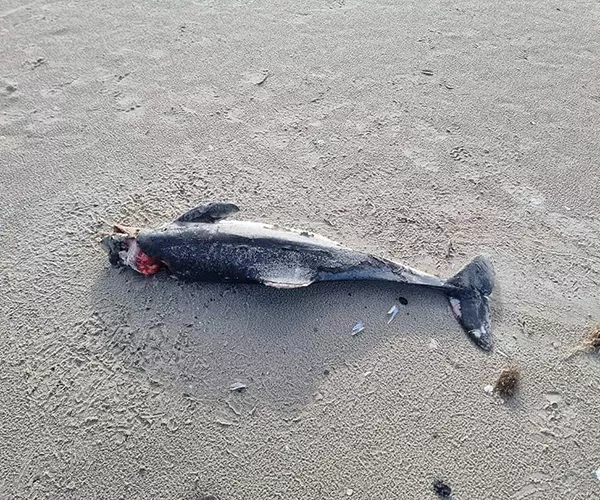
The harbour porpoise population in the western Baltic Sea has been in significant decline for several years. Research findings from Aarhus University show that bycatch in gillnets, alongside other stressors such as oxygen deficiency, environmental pollution, noise, and limited food availability, is one of the key risk factors. Particularly critical is the entanglement of young animals, which drown in nets before they are able to reproduce.
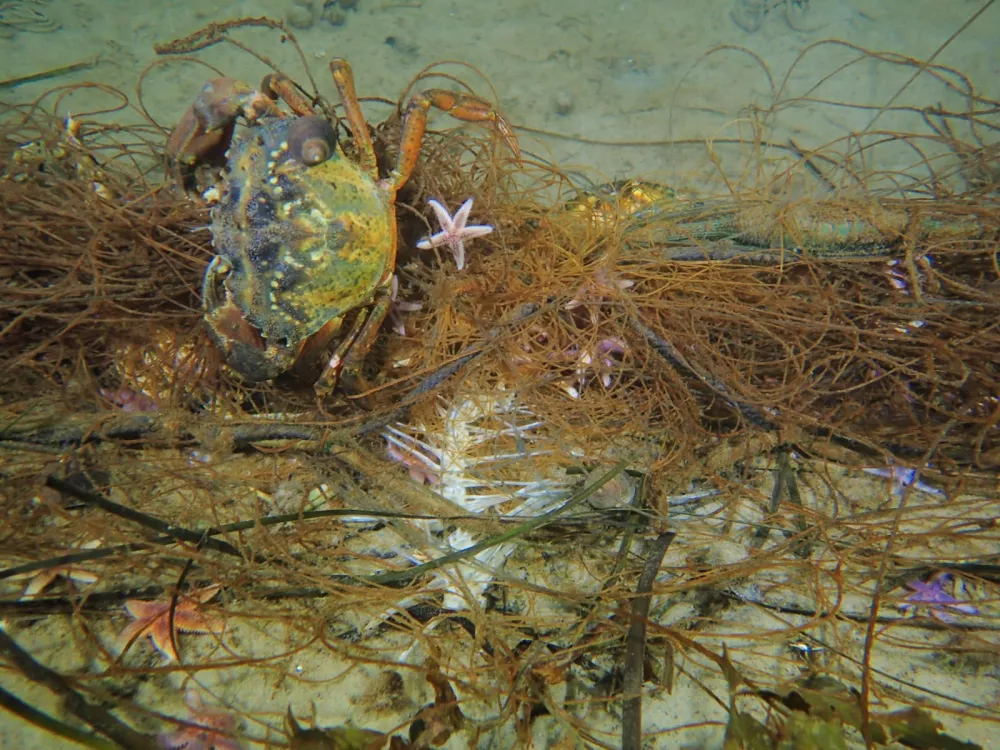
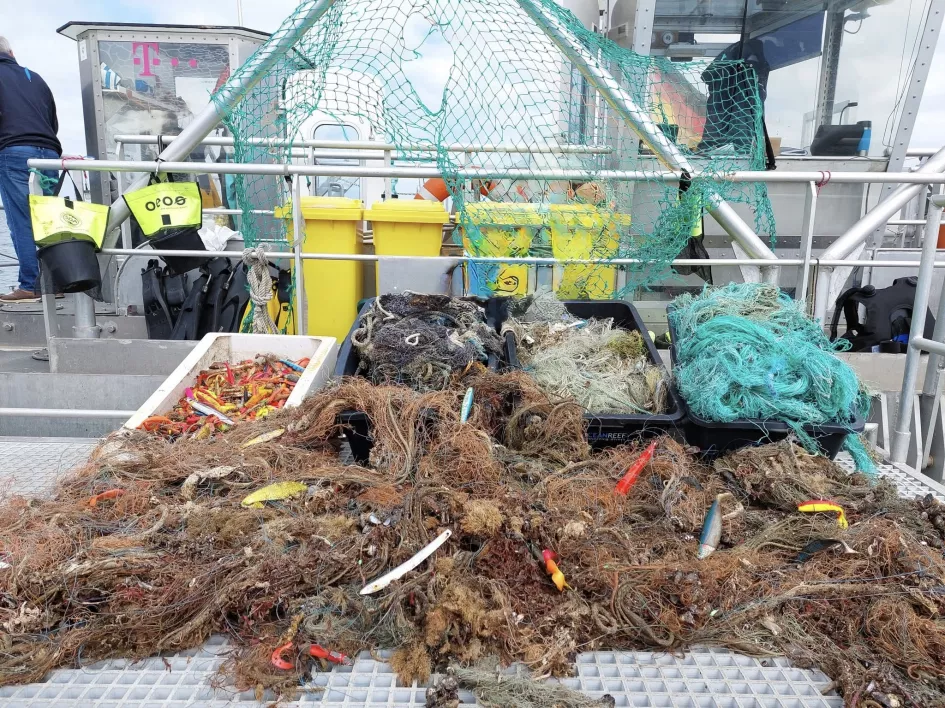
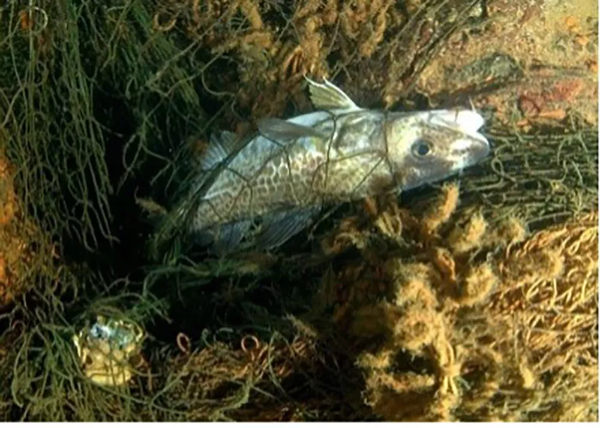
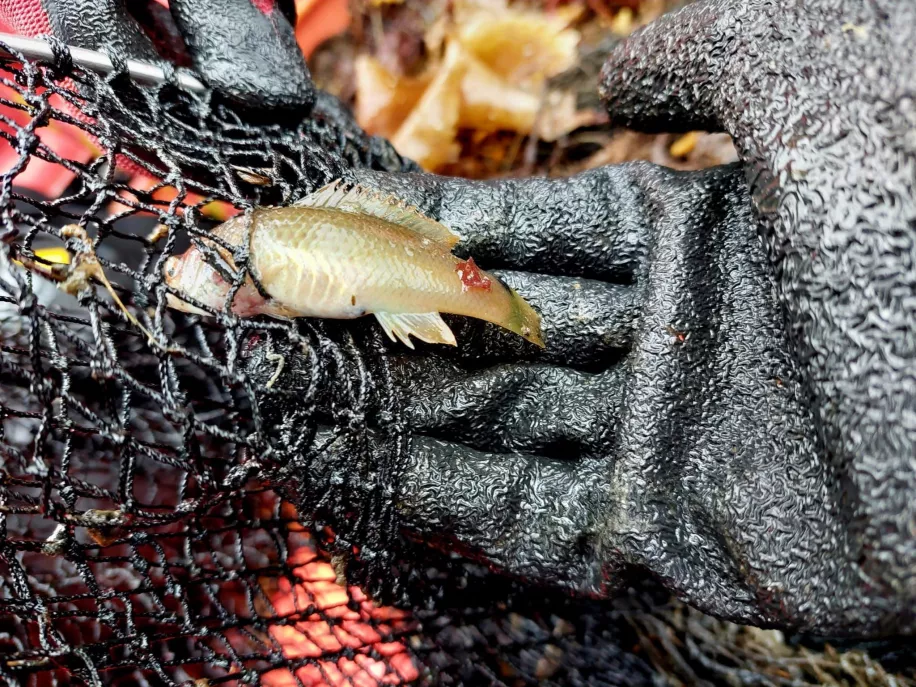
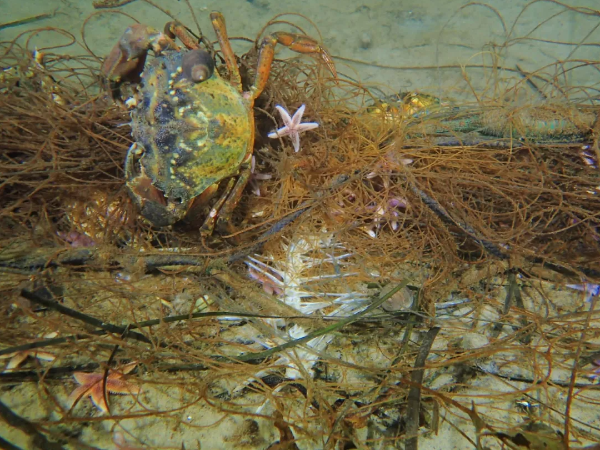
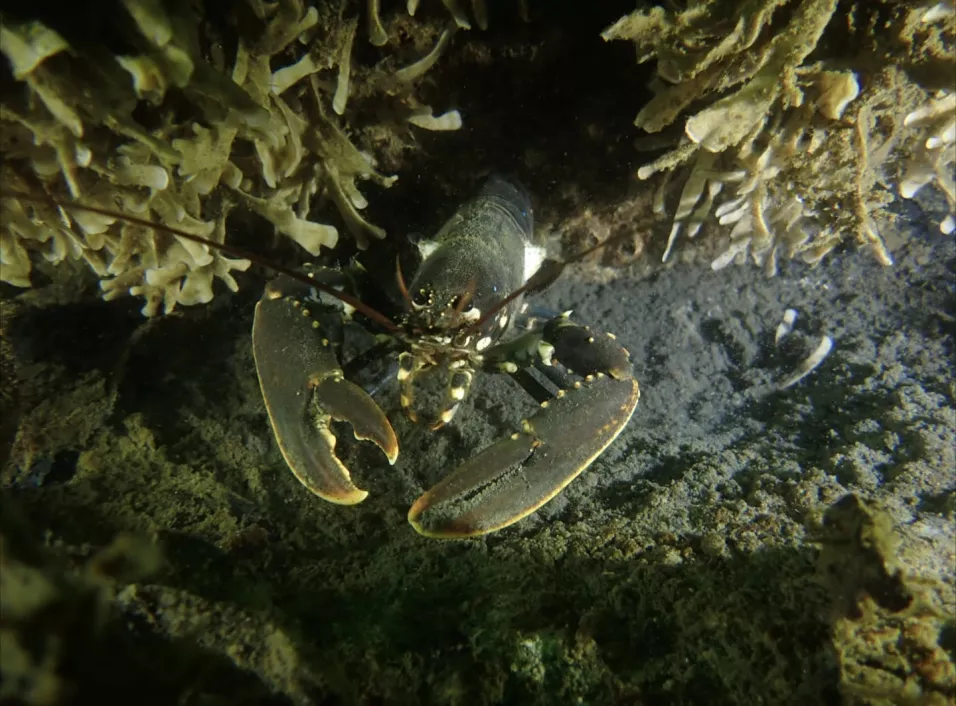
The Little Belt is a key breeding and nursery area for this population. At the same time, intensive use by gillnet fisheries leads to increased bycatch risks and the formation of ghost nets. Lost nets often remain in the water for long periods and pose a threat to marine mammals, fish stocks, and benthic habitats, including lobster populations. During recovery operations, we have repeatedly been able to free live lobsters and small animals from entangled nets, highlighting the need for careful and environmentally sensitive recovery methods.
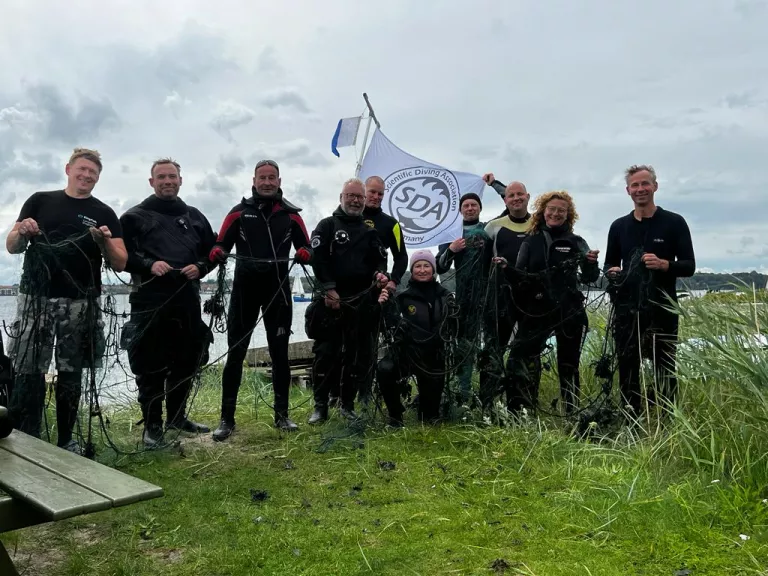
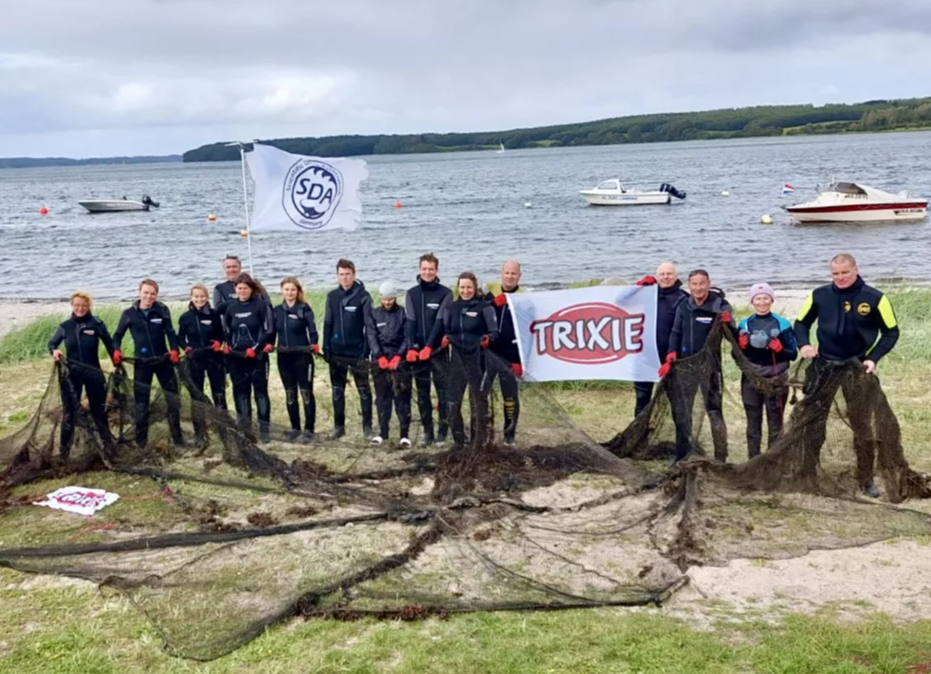
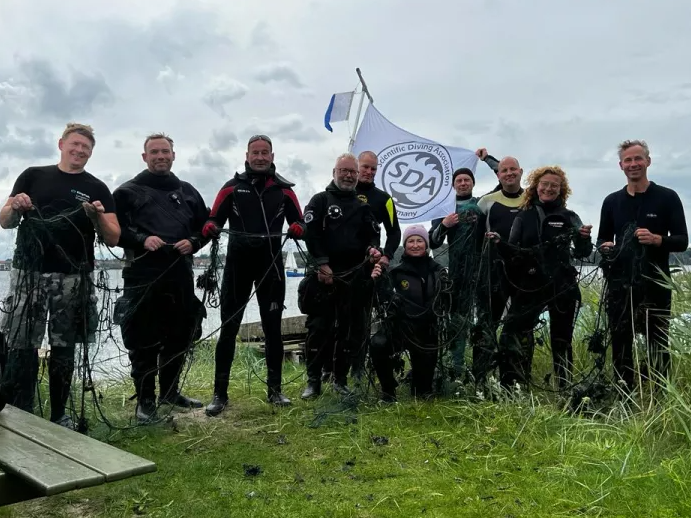
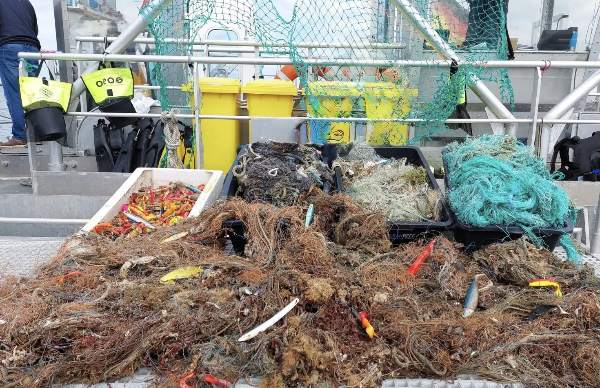
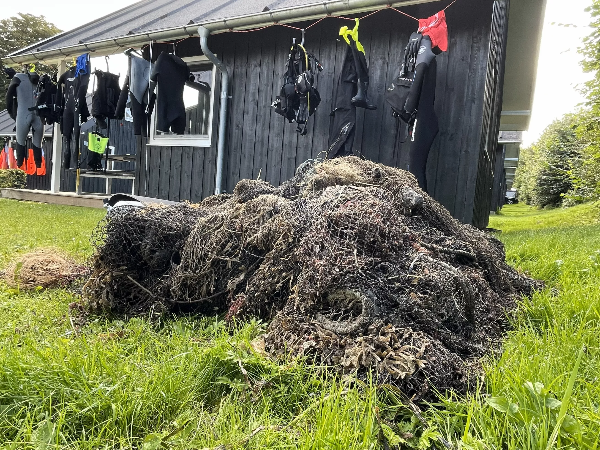
With our project “Ghost Nets – Trap or Habitat”, we make a significant contribution to species conservation by recording, assessing, and recovering net finds using diver-supported methods. Our operations include both deeper wreck and reef structures as well as nearshore areas, which are particularly important for juvenile harbour porpoises.
Approach and funding
Our objectives are the reduction of net-related risks, the protection of sensitive habitats, and the qualification and integration of our divers into safe recovery processes. The project is supported by our partner TRIXIE and implemented in close coordination with regional stakeholders such as Naturpark Lillebælt and Netop-Nu. In this way, we combine scientifically sound assessment with operational implementation.
In light of current research, the reduction of net-related risks is considered one of the few measures that can contribute effectively to stabilising the population in the short term.
Biology and distribution of harbour porpoises
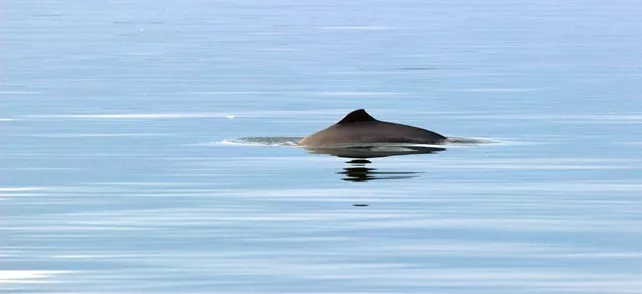
The harbour porpoise (Phocoena phocoena) is the only whale species permanently occurring in the Baltic Sea. Worldwide, several harbour porpoise populations exist that differ genetically, ecologically, and in their conservation status. In European waters, populations are distinguished in the North Atlantic, the North Sea, and the Baltic Sea, among others.
Baltic Sea harbour porpoises form a distinct, particularly small and vulnerable population. Within the Baltic Sea, two occurrences are differentiated: a population in the central Baltic Sea and the so-called Belt Sea population, which includes animals from the western Baltic Sea, including the Little Belt, Kiel Bay, and adjacent areas. This population is genetically isolated and has a low number of individuals.
Harbour porpoises are small toothed whales with a body length of approximately 1.4 to 1.9 metres. They usually live alone or in small groups and prefer coastal, shallow waters. Reproduction and rearing take place in relatively sheltered areas with sufficient food availability. The Little Belt is considered one of the most important breeding and nursery areas of the Belt Sea population.
Diet and ecological role
Harbour porpoises feed mainly on small schooling fish and bottom-dwelling species. In the western Baltic Sea, their diet includes gobies, herring, sprat, juvenile cod, and various flatfish species. As apex predators, harbour porpoises play an important role in the marine food web. They are highly sensitive to changes in the ecosystem, such as declines in fish stocks or disturbances to their habitats. Changes in their distribution are therefore considered an indicator of the condition of the marine ecosystem.
Population assessment and monitoring
Harbour porpoise populations are assessed using various methods. These include line-based aerial and ship-based surveys in which animals are visually recorded, as well as passive acoustic monitoring. Harbour porpoises use high-frequency echolocation clicks for orientation, which can be recorded and analysed using specialised underwater recorders (C-PODs, F-PODs).
In the Baltic Sea in particular, acoustic methods play a central role, as harbour porpoises often surface only briefly, are difficult to detect visually, and frequently inhabit turbid waters. Long-term monitoring shows a significant decline in presence, especially in parts of the western Baltic Sea.
Current studies indicate that the mortality of the Belt Sea population regularly exceeds biologically tolerable threshold values. The loss of sexually immature animals is particularly problematic, as this has direct effects on the reproductive capacity of the population.
Sources
Sveegaard, S. et al. (2024):
A negative trend in abundance and exceedance of mortality thresholds call for conservation action for the vulnerable harbour porpoise population in the Belt Sea.
Aarhus University / Department of Ecoscience (HELCOM BLUES / EU-funded project)
Aarhus University – article summary of current research:
Forskere slår alarm: Hvert år dør alt for mange marsvin i fiskernes garn (AU-Ecoscience)
NABU – Harbour porpoises as victims of misguided marine policy